
Launch of the Network of Public Policy and Governance Training Institutions (GPPA) and the First Annual Scientific Forum with the theme “National Governance and Management Personnel Training in the New Era”
24/04/2026 2026-04-28 10:28Launch of the Network of Public Policy and Governance Training Institutions (GPPA) and the First Annual Scientific Forum with the theme “National Governance and Management Personnel Training in the New Era”
Launch of the Network of Public Policy and Governance Training Institutions (GPPA) and the First Annual Scientific Forum with the theme “National Governance and Management Personnel Training in the New Era”
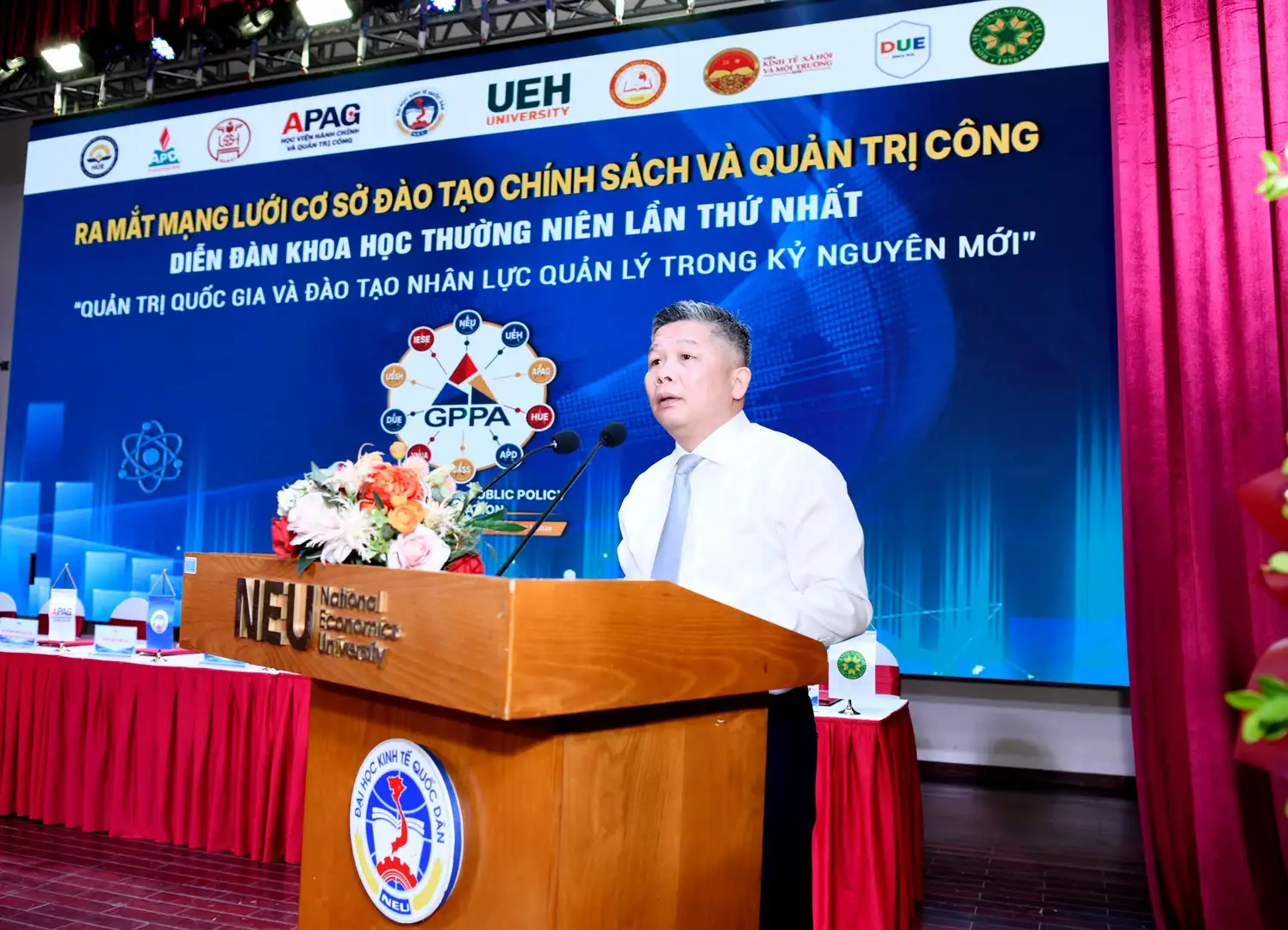
On the morning of April 24, 2026, National Economics University hosted the launch ceremony of the Global Public Policy and Administration (GPPA) Network, along with the first Annual Scientific Forum themed “National Governance and the Training of Management Professionals in a New Era.”
The event marked an important milestone in establishing a highly connected academic network, bringing together universities, research institutes, and experts in the fields of public policy and public administration. The initiative aims to enhance the quality of education, research, and policy advisory in response to emerging challenges in the new context.
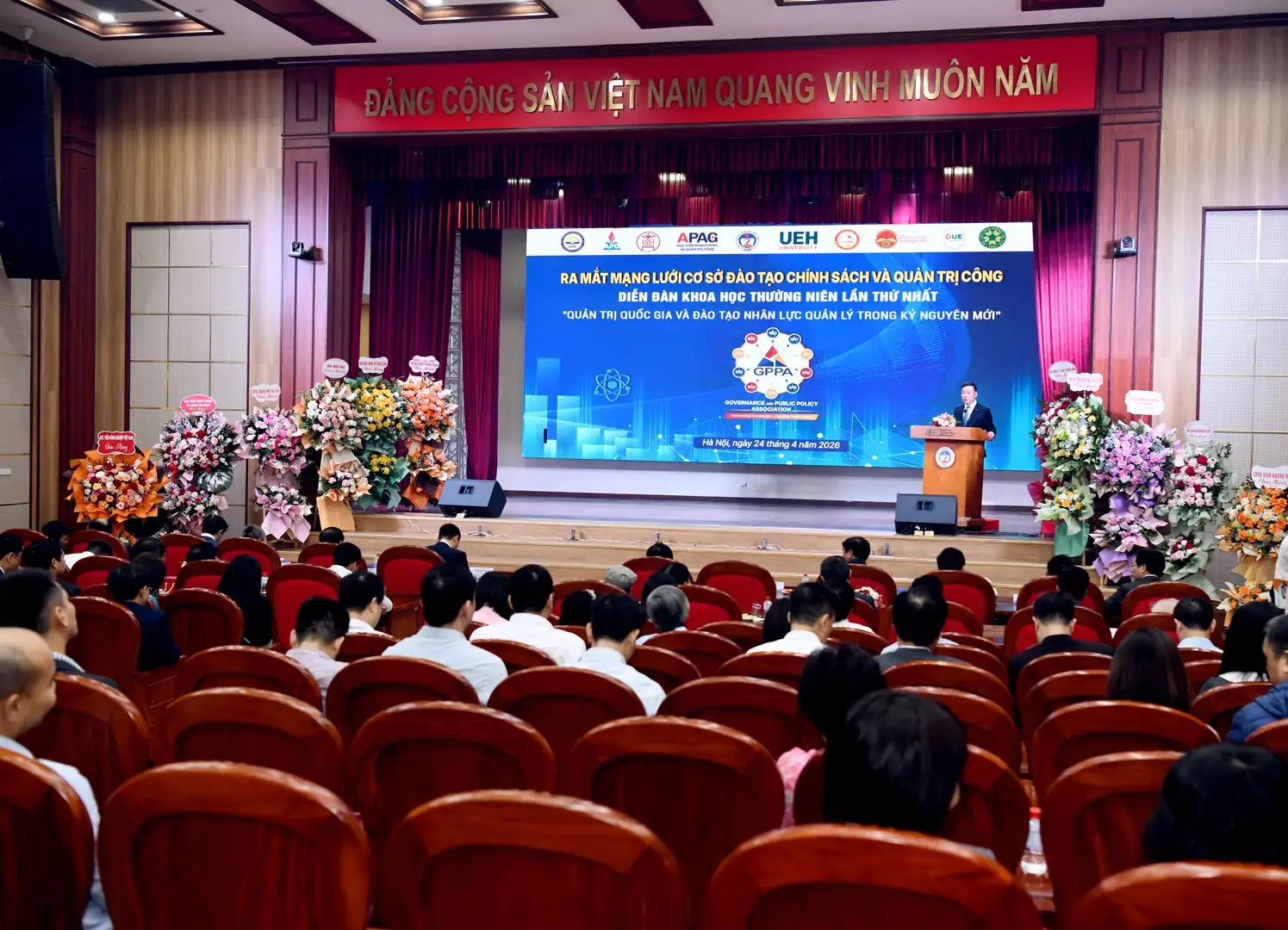
Scene at the Launch Ceremony of the Network of Public Policy and Governance Training Institutions (GPPA) and the First Annual Scientific Forum
Distinguished guests from central agencies included: Prof. Dr. Nguyen Xuan Thang, Member of the 13th Politburo and Chairman of the Central Theoretical Council; Assoc. Prof. Dr. Tran Thanh Giang, Chief of Office of the Ho Chi Minh National Academy of Politics; Dr. Nguyen Cao Thinh, Chief of Office of the Ministry of Ethnic and Religious Affairs; Assoc. Prof. Dr. Truong Thi Hong Ha, Deputy Director General of the Department of Judicial Reform, Central Internal Affairs Commission; and Assoc. Prof. Dr. Luu Bich Ngoc, Chief of Office of the National Council for Education and Human Resource Development, Ministry of Education and Training.
Representatives from universities, academies, and educational institutions included: Assoc. Prof. Dr. Tran Trong Nguyen, President of the Academy of Policy and Development; Assoc. Prof. Dr. Nguyen Ba Chien, President of the Academy of Public Administration and Governance, Ho Chi Minh National Academy of Politics; Assoc. Prof. Dr. Bui Van Huyen, Director of the Institute of Socio-Economic and Environmental Studies, Ho Chi Minh National Academy of Politics; Assoc. Prof. Dr. Nguyen Huy Hoang, President of the Graduate Academy of Social Sciences, Vietnam Academy of Social Sciences; Dr. Nguyen Van Hoi, Director of the Institute for Strategy and Policy Research on Industry and Trade, Ministry of Industry and Trade; Prof. Dr. Le Van Huy, Rector of University of Economics, the University of Danang;
Prof. Dr. Nguyen Duc Trung, President of the Banking University of Ho Chi Minh City; Assoc. Prof. Dr. Thai Thi Kim Oanh, Rector of University of Economics, Vinh University; Prof. Dr. Hoang Anh Tuan, Rector of University of Social Sciences and Humanities, Vietnam National University, Hanoi; Assoc. Prof. Dr. Bui Quang Hung, Acting Vice President of the University of Economics Ho Chi Minh City; Assoc. Prof. Dr. Bui Duc Tinh, Vice Rector of University of Economics, Hue University; Prof. Dr. Pham Duc Cuong, Vice President of the Vietnam National University of Agriculture; and Prof. Dr. Dao Van Hung, Former President of the Academy of Policy and Development.
From the National Economics University: Assoc. Prof. Dr. Bui Duc Tho – Party Secretary; Assoc. Prof. Dr. Bui Huy Nhuong – University Director, Member of the Central Theoretical Council; Prof. Dr. Tran Tho Dat – Chairman of the Scientific & Training Council; Assoc. Prof. Dr. Nguyen Thanh Ha – Chairman of the Advisory Council; along with representatives of the leadership of Schools, Departments, Faculties, Institutes, Centers affiliated with and under the University, experts, scientists, and representatives of the leadership of units within the Network of Public Policy and Governance Training Institutions.
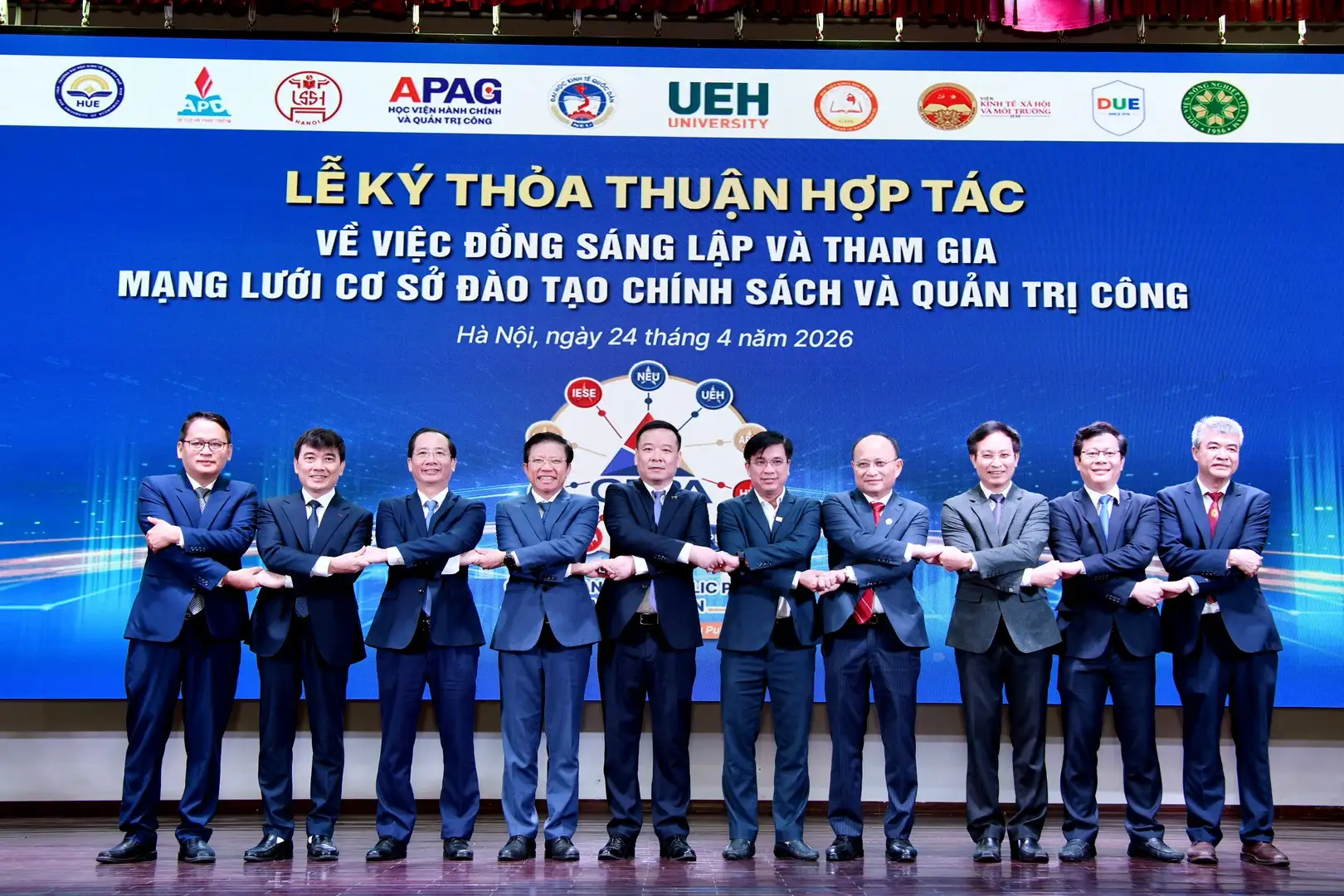
Based on the need to strengthen academic linkages, share knowledge, develop the scientific community, and enhance the quality of training, research, and evidence-based policy advice in the field of public policy and governance, at the Ceremony, the GPPA Network was officially established and launched with the participation of 10 public policy and governance training institutions nationwide, including: National Economics University; University of Economics, Ho Chi Minh City; Academy of Policy and Development; Academy of Public Administration and Governance; Academy of Social Sciences; Vietnam Academy of Agriculture; University of Social Sciences and Humanities – Vietnam National University, Hanoi; University of Economics – University of Danang; Institute of Socio-Economic and Environmental Studies.
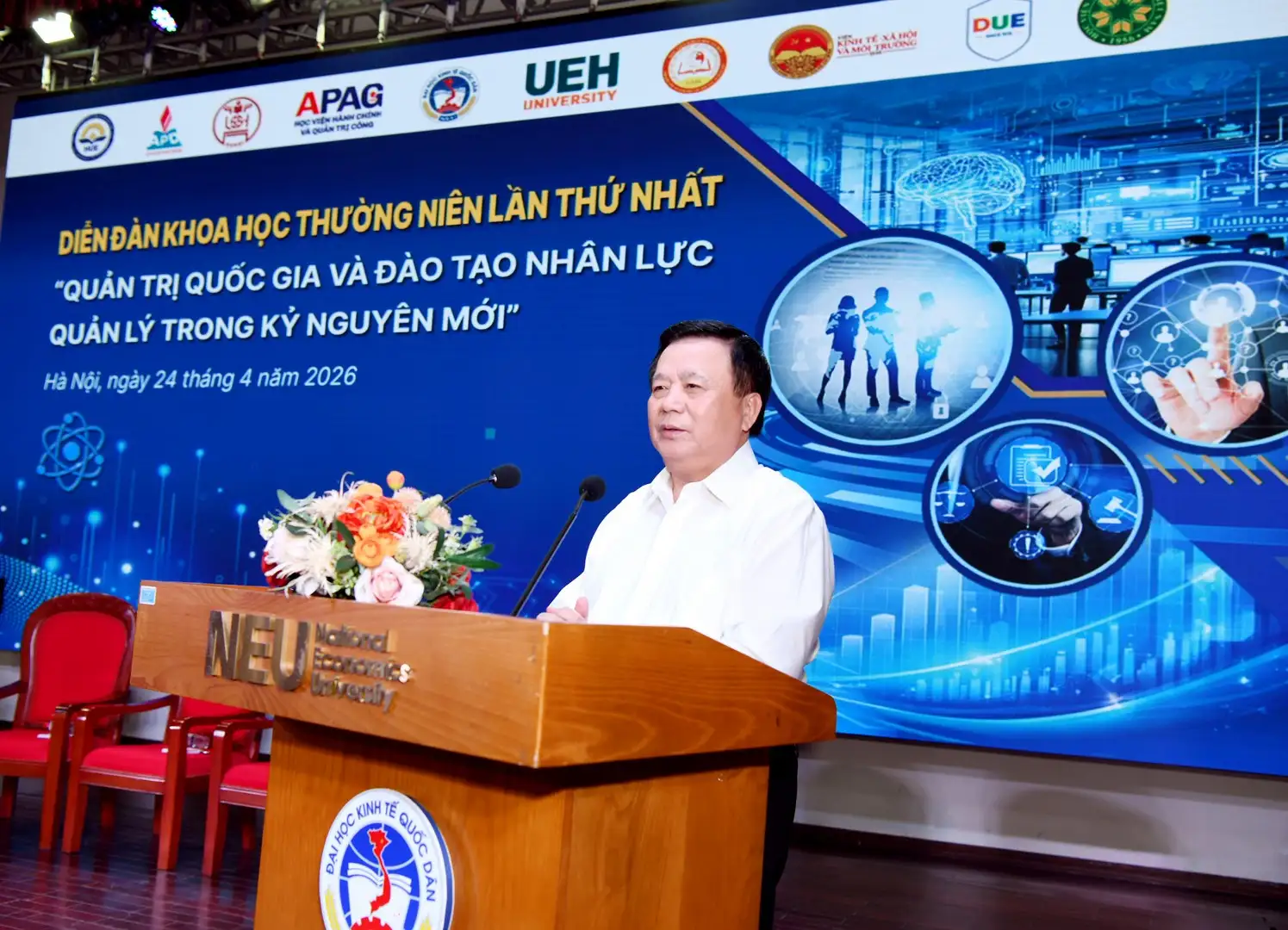
Prof. Dr. Nguyen Xuan Thang – Member of the 13th Politburo, Chairman of the Central Theoretical Council delivers a speech
In his speech at the ceremony, Prof. Dr. Nguyen Xuan Thang – Member of the 13th Politburo, Chairman of the Central Theoretical Council acknowledged and highly appreciated the initiative to establish the Network of Public Policy and Governance Training Institutions (GPPA), considering it a step towards realizing the shift from “management” to “governance”, “development creation”, with the core role played by universities and academies training in public governance and development governance in the new context.
According to the Chairman of the Central Theoretical Council, the current network is merely the initial step, with founding and key members. In the future, it is necessary to continue expanding, viewing the network as a foundation for gathering, uniting, and disseminating the knowledge of those engaged in scientific research and education, directly serving the development needs of the country in the new era.
Prof. Dr. Nguyen Xuan Thang hopes that GPPA will become a model network, exemplary in serving the cause of national development and construction.
Regarding the first annual scientific forum “National Governance and Management Training in the New Era” of the GPPA Network, Prof. Dr. Nguyen Xuan Thang hopes that the Forum will not only focus on training and developing management human resources in the new era but also expand discussions on research collaboration activities, jointly addressing the pressing issues facing the country. These include enhancing the execution capacity of the administrative apparatus, especially in the two-tier local government model; unlocking and effectively utilizing development resources; and accelerating the robust urbanization process.
Particularly, it is crucial to link practical summaries and research with policy formulation and implementation, contributing positively to the deployment of the summary contents of 100 years of the Party leading the Vietnamese revolution (1930-2030) and 40 years of implementing the Platform for National Construction during the transition to socialism.
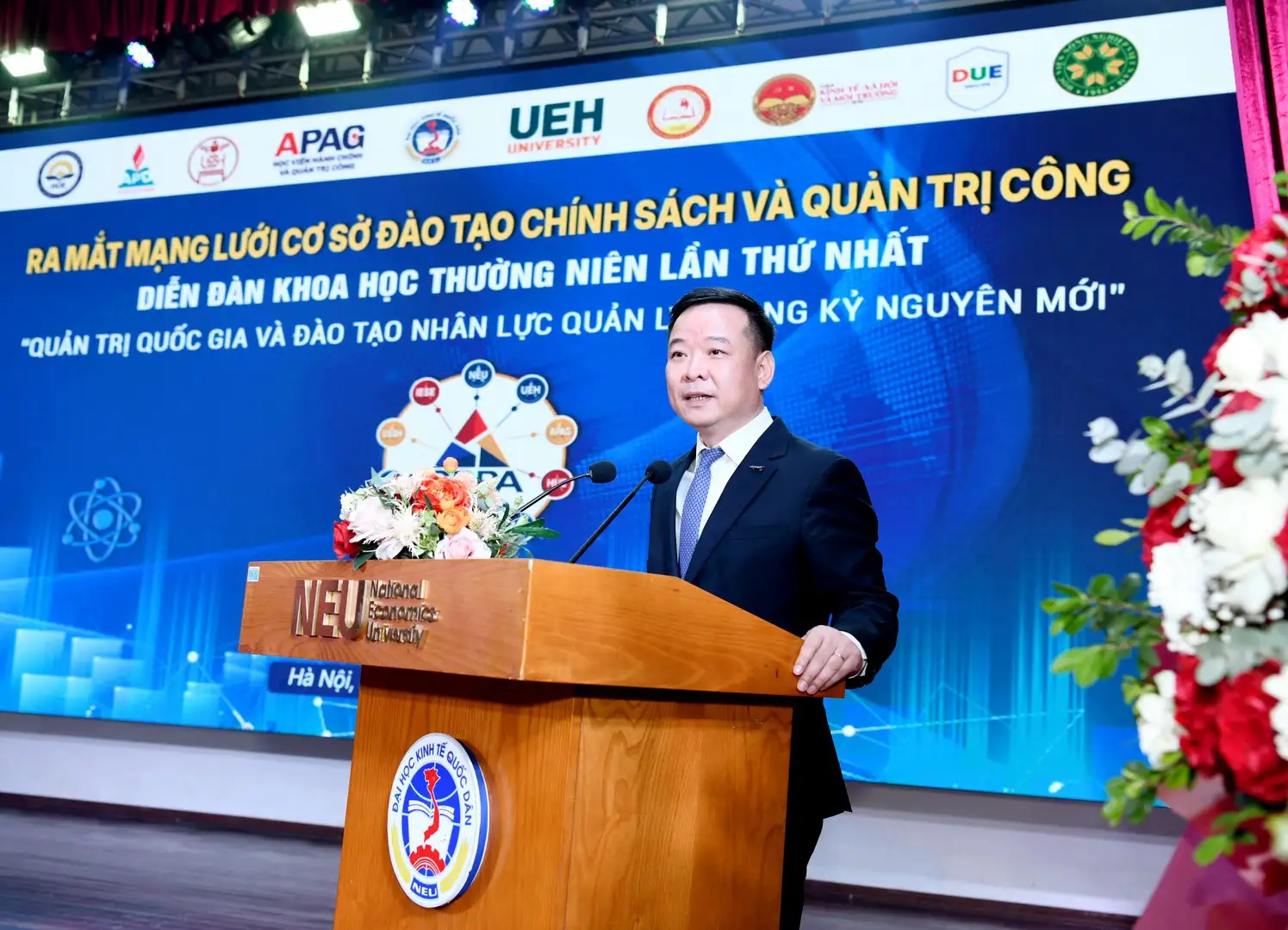
Assoc. Prof. Dr. Bui Huy Nhuong – President of National Economics University speaks
Representing the hosting unit, Assoc. Prof. Dr. Bui Huy Nhuong emphasized that National Economics University is honored to host the first annual scientific forum of the Network of Training Institutions in Public Policy and Governance (GPPA), considering it a significant milestone in promoting academic collaboration and developing the scientific community in the field of public policy and governance.
According to the President, in the context of the digital economy and data-driven governance profoundly transforming the operational methods of the economy, national governance increasingly becomes a decisive factor in the competitiveness and sustainable development of each nation. Major orientations have been established, emphasizing the need to enhance national governance capacity towards modernity and efficiency; build a streamlined, effective administrative apparatus; and simultaneously accelerate national digital transformation, develop digital government, digital economy, and digital society, clearly reflecting the shift from management thinking to a modern public governance model based on efficiency, transparency, and accountability. On this basis, the requirement is to continue perfecting the institutional framework, clearly delineate authority between the central and local levels, enhance policy coordination efficiency, and develop a public service workforce with digital capabilities, strategic thinking, and data-driven decision-making ability.
Assoc. Prof. Dr. Bui Huy Nhuong also pointed out that recent practical implementation has recorded many positive changes as the administrative apparatus is gradually streamlined, decentralization and delegation are strengthened, and the two-tier local government model is gradually perfected. However, there are still limitations that need to be addressed, such as the lack of flexibility in coordination between levels and sectors; decentralization and delegation not closely linked with accountability; and a gap between the policy analysis capacity, digital capabilities, and strategic thinking of some personnel and practical requirements. This poses an urgent requirement for educational institutions to innovate training content and methods to develop high-quality human resources for the country.
In this context, the establishment of the GPPA Network with the participation of reputable training institutions is seen as a strategic move. According to the University Director, the network is not only a space for academic collaboration but also a platform for knowledge connection, resource sharing, and promoting co-creation of new values, aiming to build a modern, effective, and accountable public governance system, leveraging the unique strengths of each member.
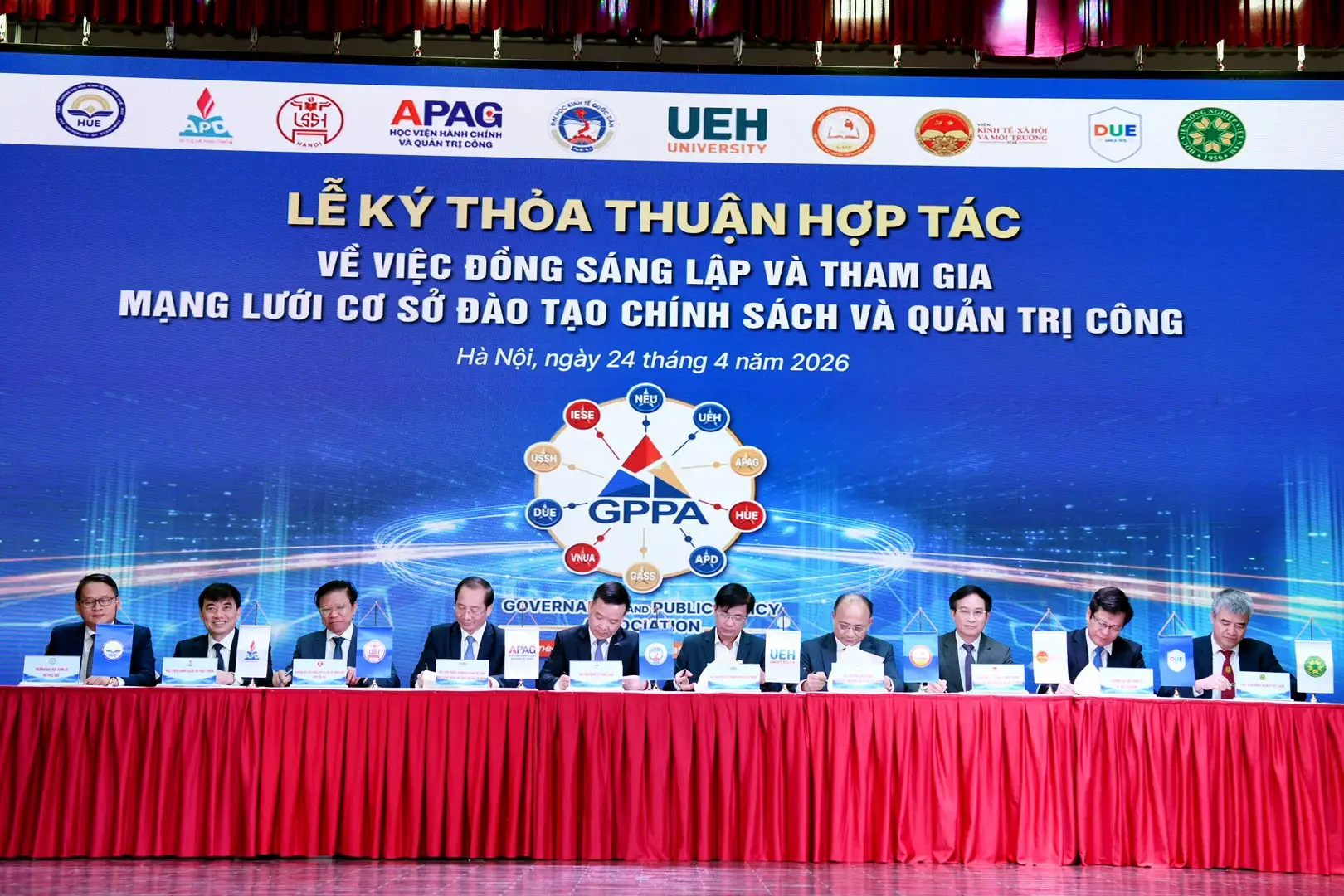
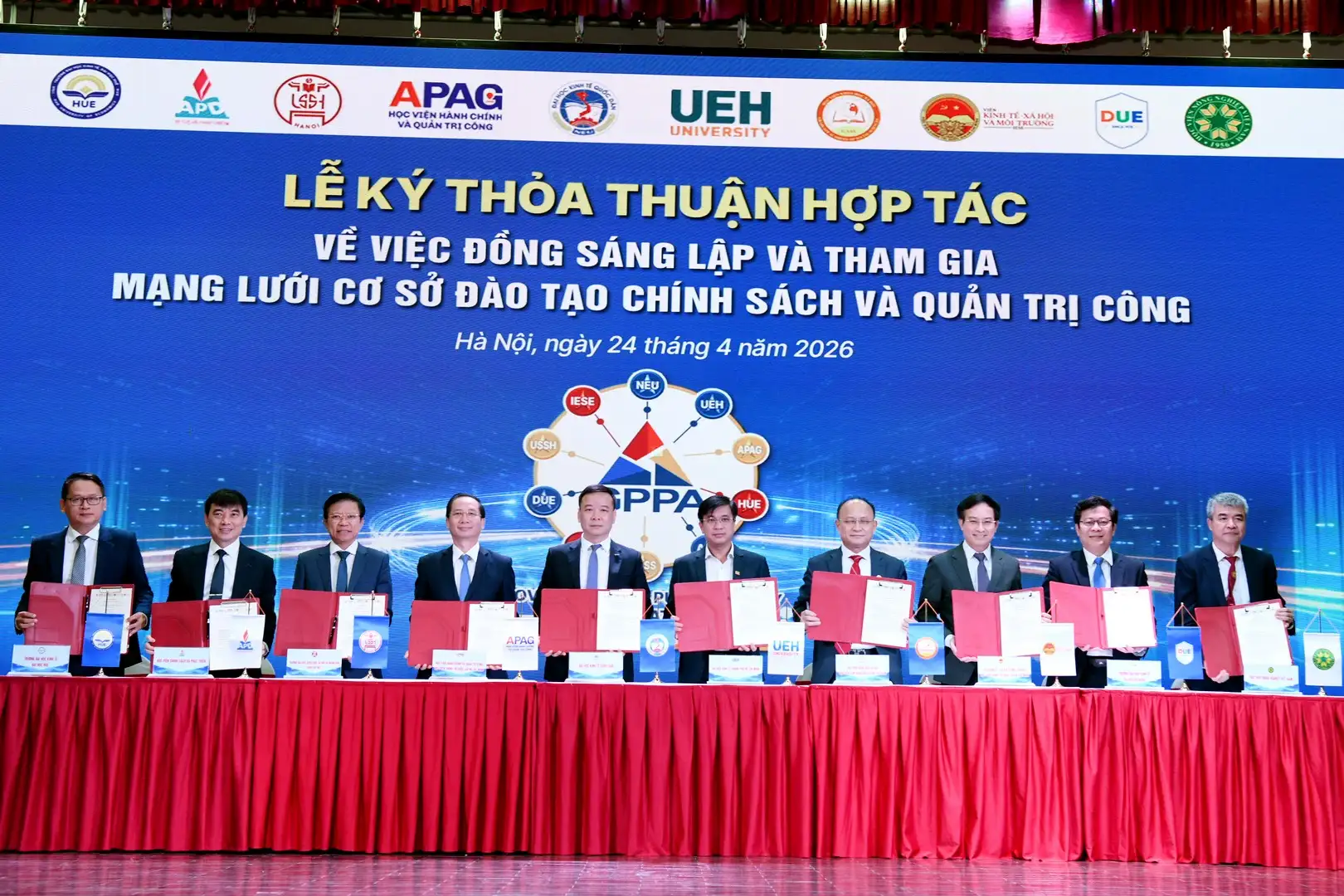
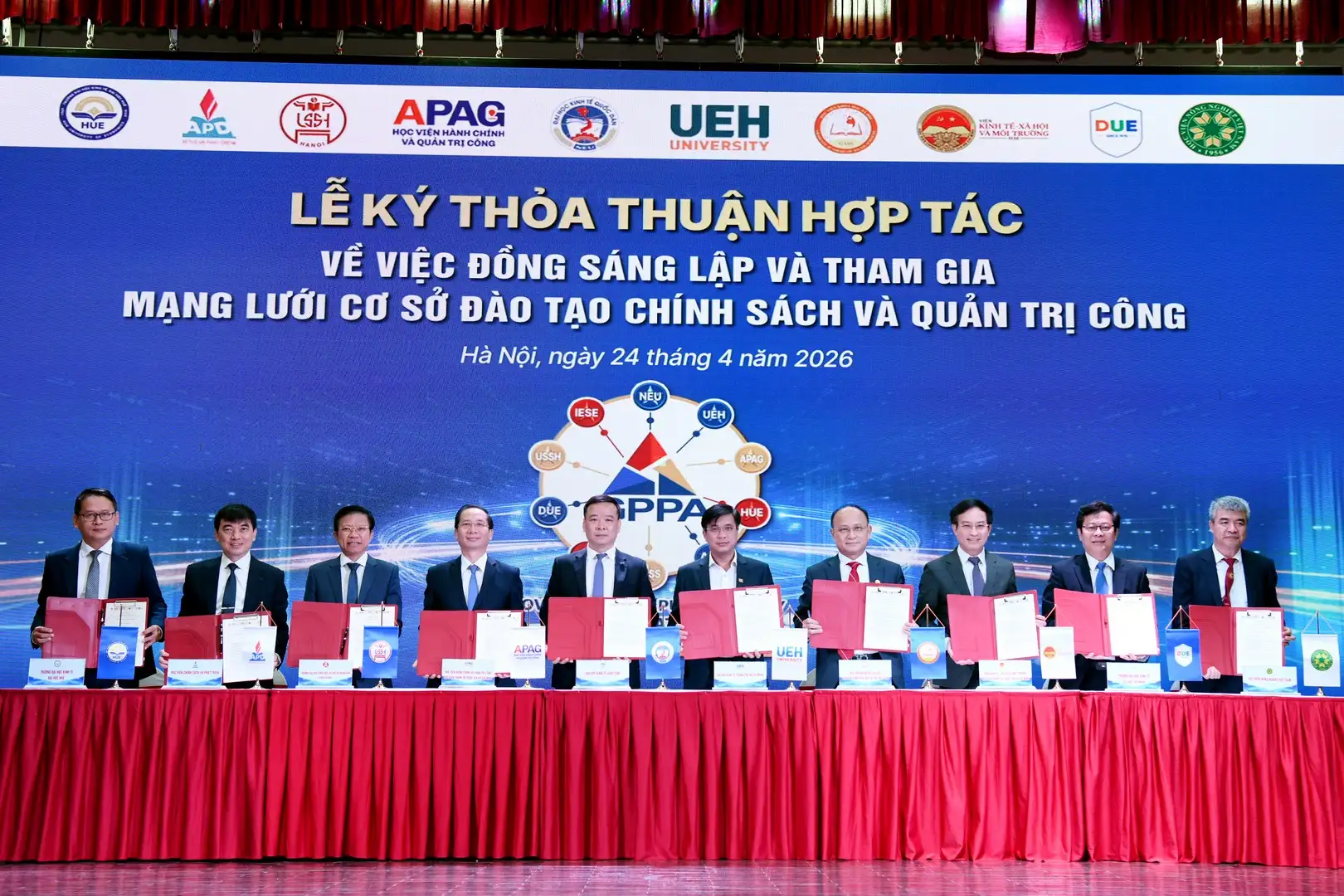
Leaders of public policy and governance training institutions sign a cooperation agreement on co-founding and participating in GPPA
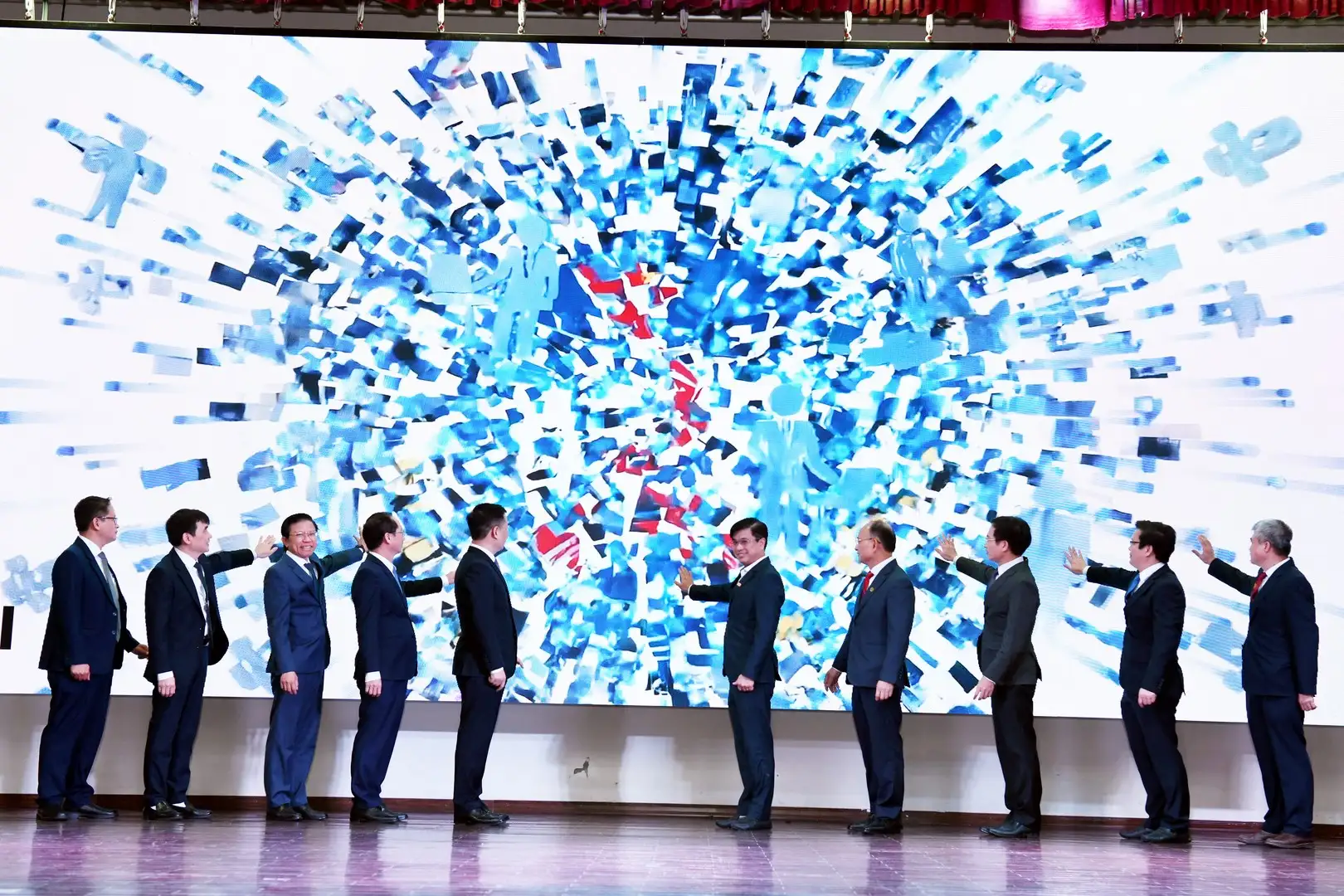
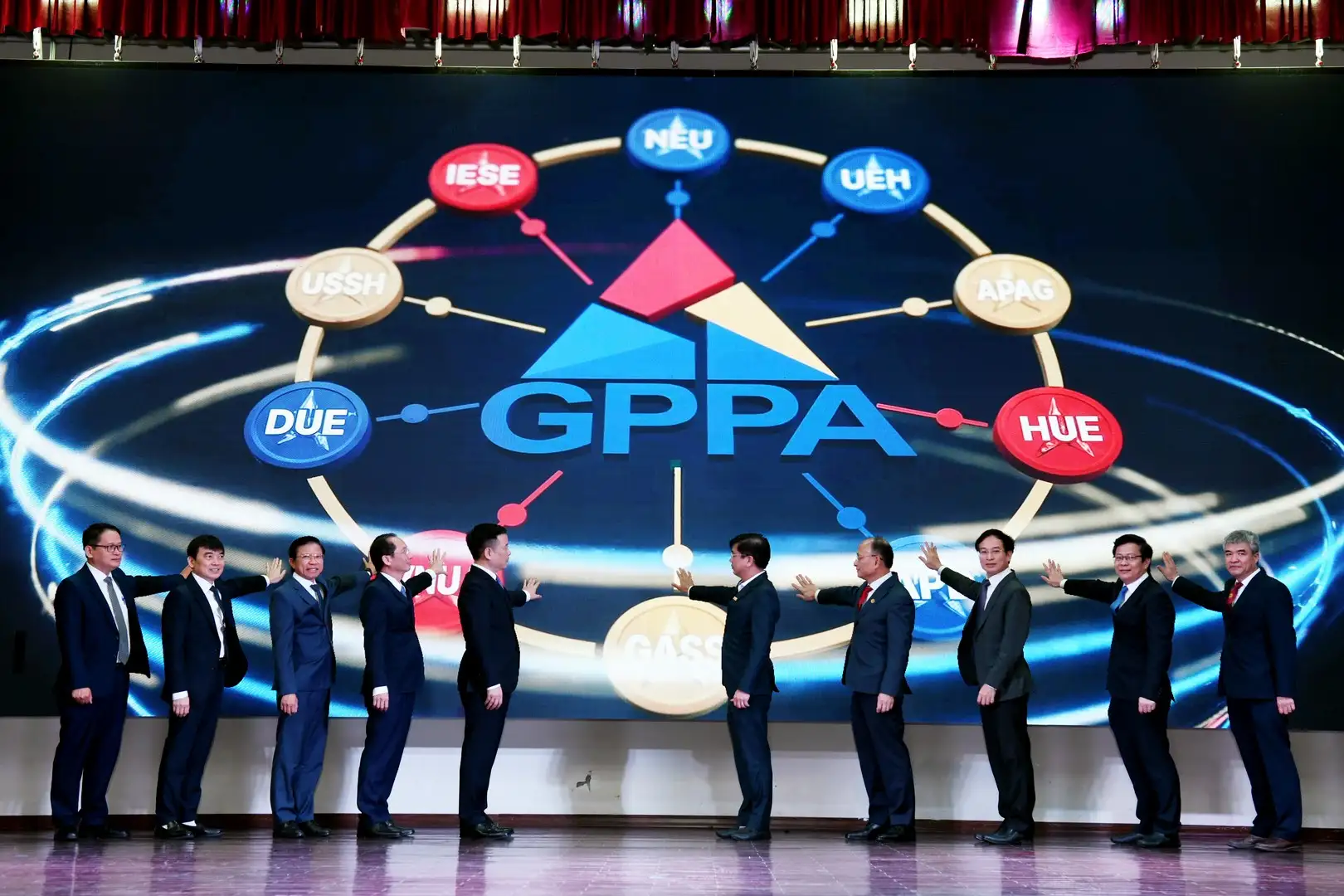
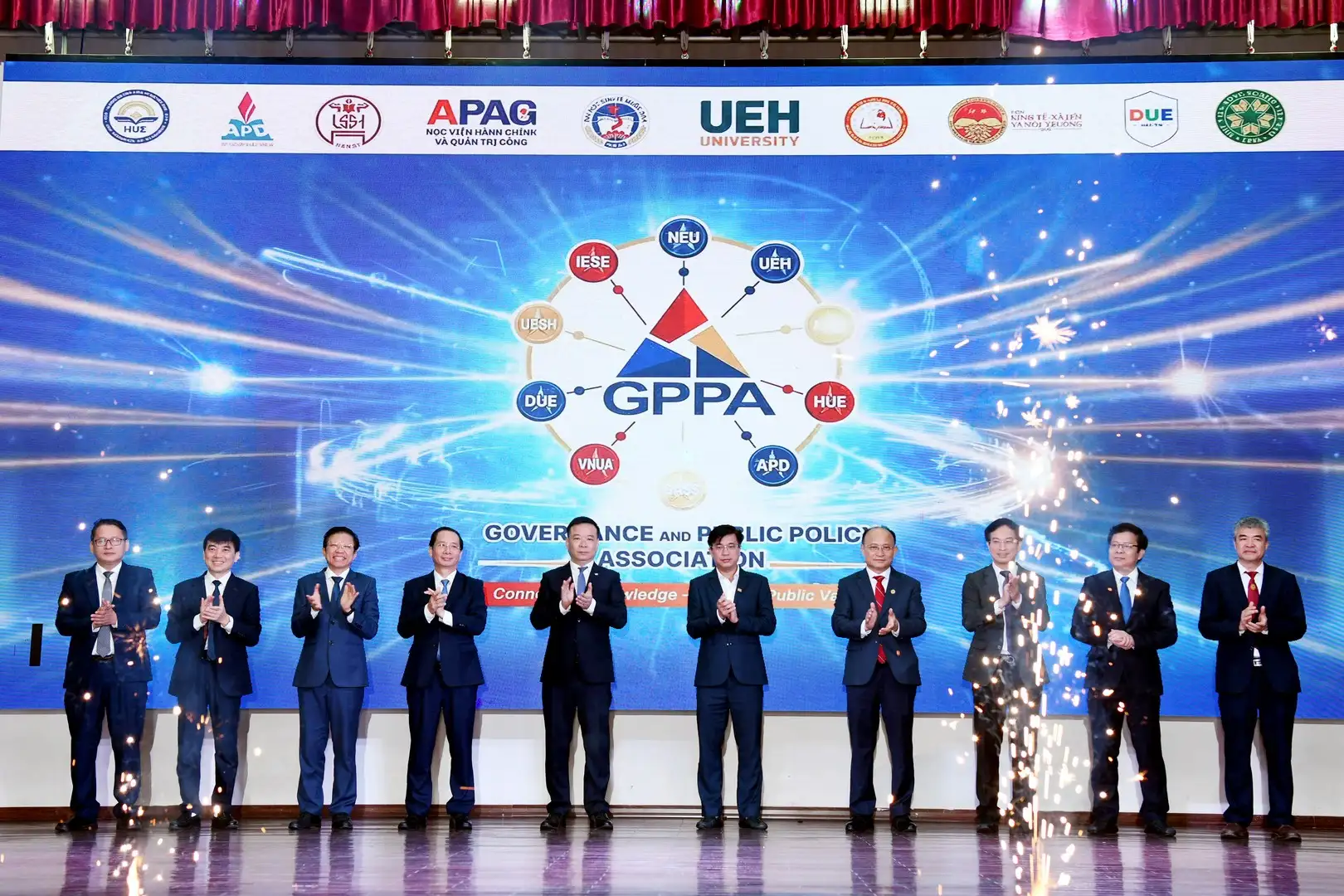
Leaders of public policy and governance training institutions jointly perform the GPPA launch ceremony
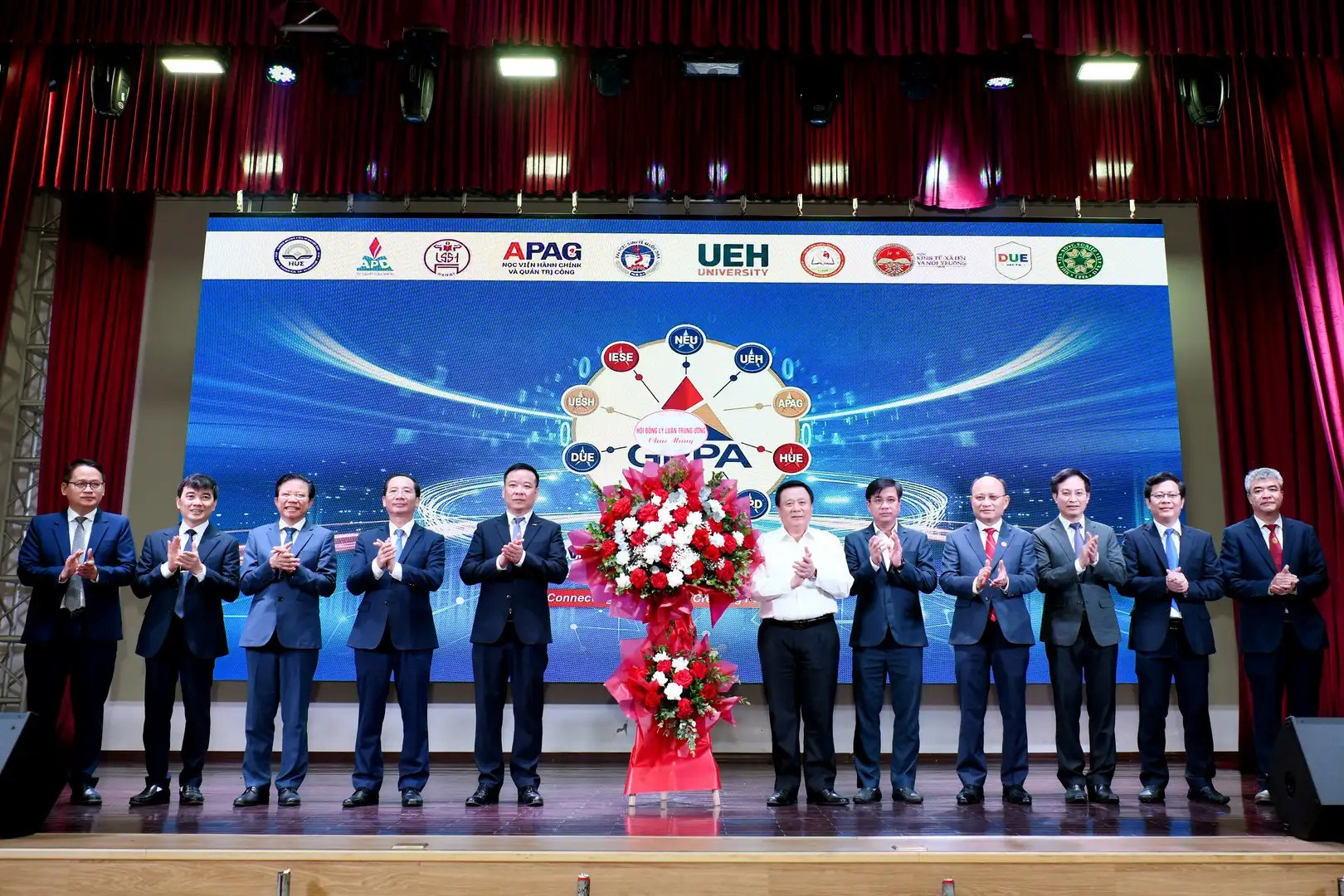
Prof. Dr. Nguyen Xuan Thang – Member of the 13th Politburo, Chairman of the Central Theoretical Council presents flowers in congratulation
Within the framework of the First Annual Scientific Forum, the universities have chosen the theme: “National Governance and Management Human Resource Training in the New Era” as a starting point for a long-term and in-depth collaboration journey.
At the Forum, delegates affirmed that in the context of a digital economy and data-driven governance profoundly altering the structure and operational methods of the global economy, national governance increasingly plays a decisive role in each country’s competitiveness and sustainable development. On this basis, the need to innovate the national governance model was emphasized, with a focus on enhancing governance capacity towards modernity and efficiency; building a streamlined administrative apparatus that operates effectively and efficiently, serving the people and socio-economic development.
Particularly, digital transformation is identified as a key tool in modernizing national governance, with a focus on promoting the development of digital government, digital economy, and digital society, creating a favorable environment for new business models, digital economy, and green economy.
Opinions at the Forum suggested that the aforementioned orientations clearly reflect a shift in thinking from an administrative management model to a modern public governance model, based on principles of efficiency, transparency, and accountability. Accordingly, in the upcoming period, national governance in Vietnam needs to continue to improve towards a streamlined apparatus, clearly delineating authority between central and local levels, enhancing coordination efficiency in policy implementation, while focusing on developing a workforce of staff, civil servants, and public employees with competence, professionalism, and adaptability to the demands of digital transformation and international integration.
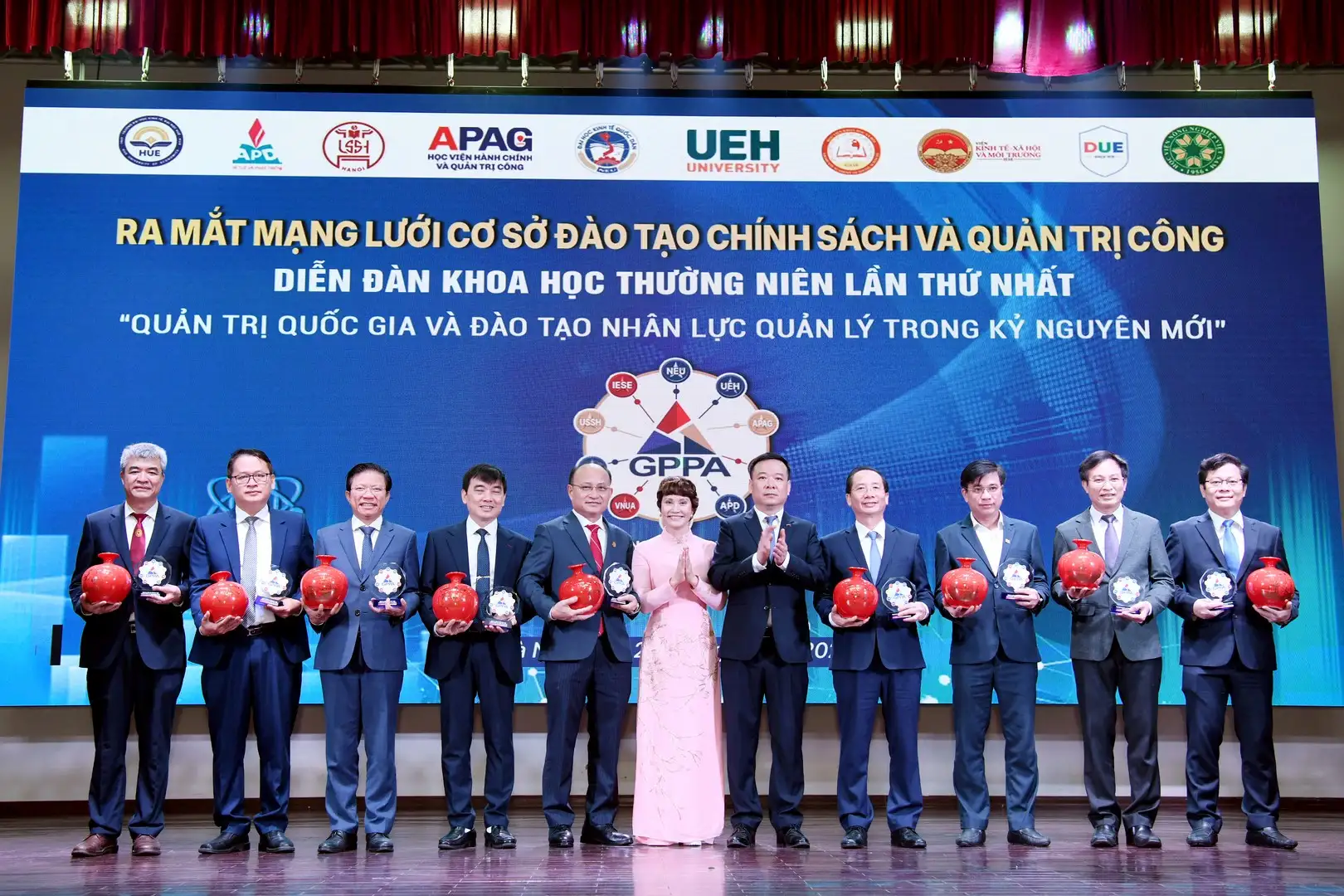
Representatives of the leadership of National Economics University, Chairman of GPPA 2026, present the network emblem to the units
Along with that, the implementation of the Party’s directives in recent times has brought positive changes in national governance in Vietnam. The administrative apparatus has gradually been organized towards streamlining; decentralization and delegation have been expanded; the two-tier local government model is gradually being perfected, contributing to reducing intermediary levels and enhancing socio-economic management efficiency. However, the process of institutional reform and national governance still faces some limitations, such as the coordination between central and local levels not being truly flexible; decentralization and delegation not being closely linked with accountability; and the workforce of staff and civil servants still limited in analytical capacity, data-driven decision-making, strategic thinking, and digital competence. These issues pose an urgent requirement for innovation in the content, curriculum, and teaching methods towards modernization, aiming to improve the quality of human resources in management and public policy fields, meeting the demands of institutional reform and administrative modernization.
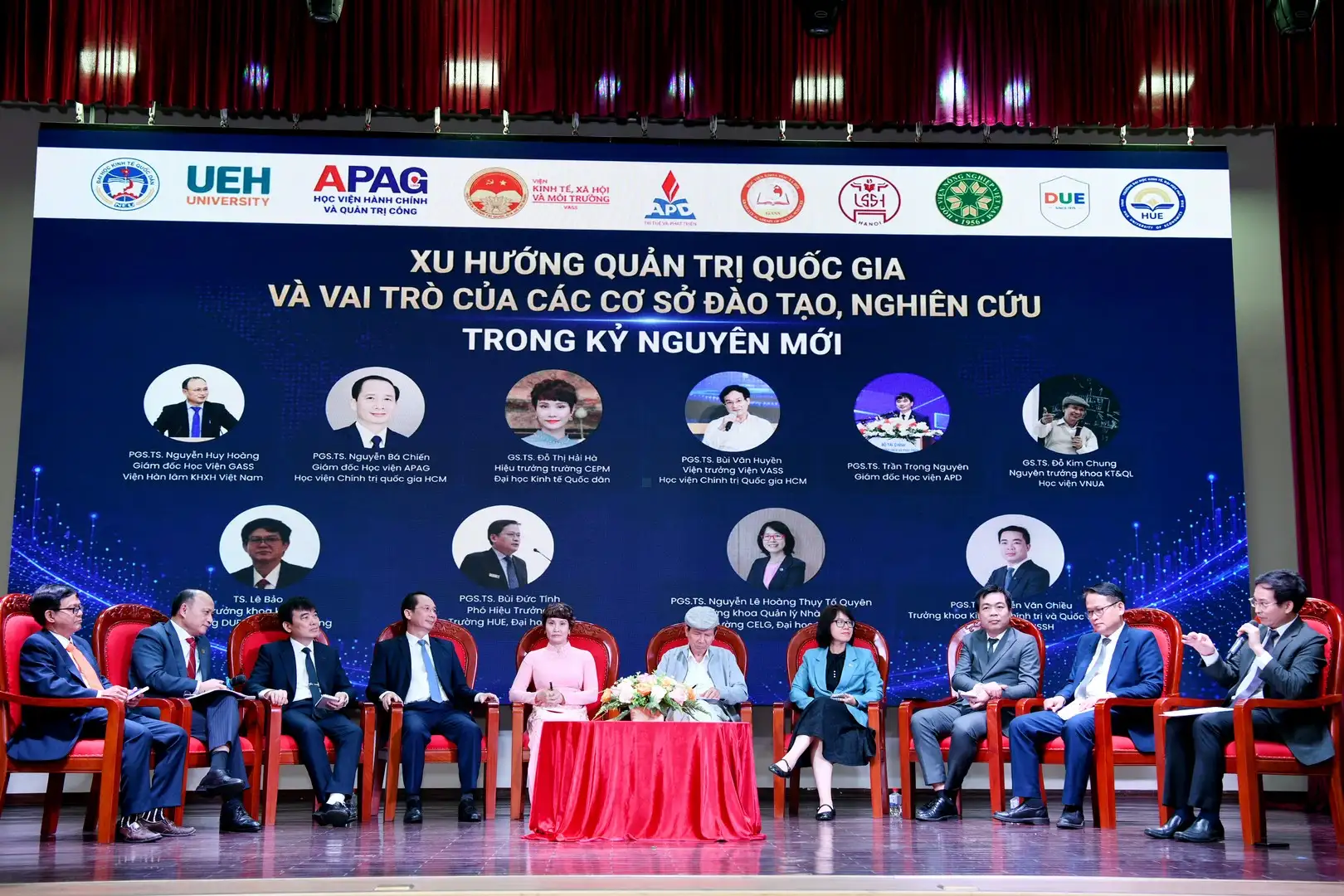
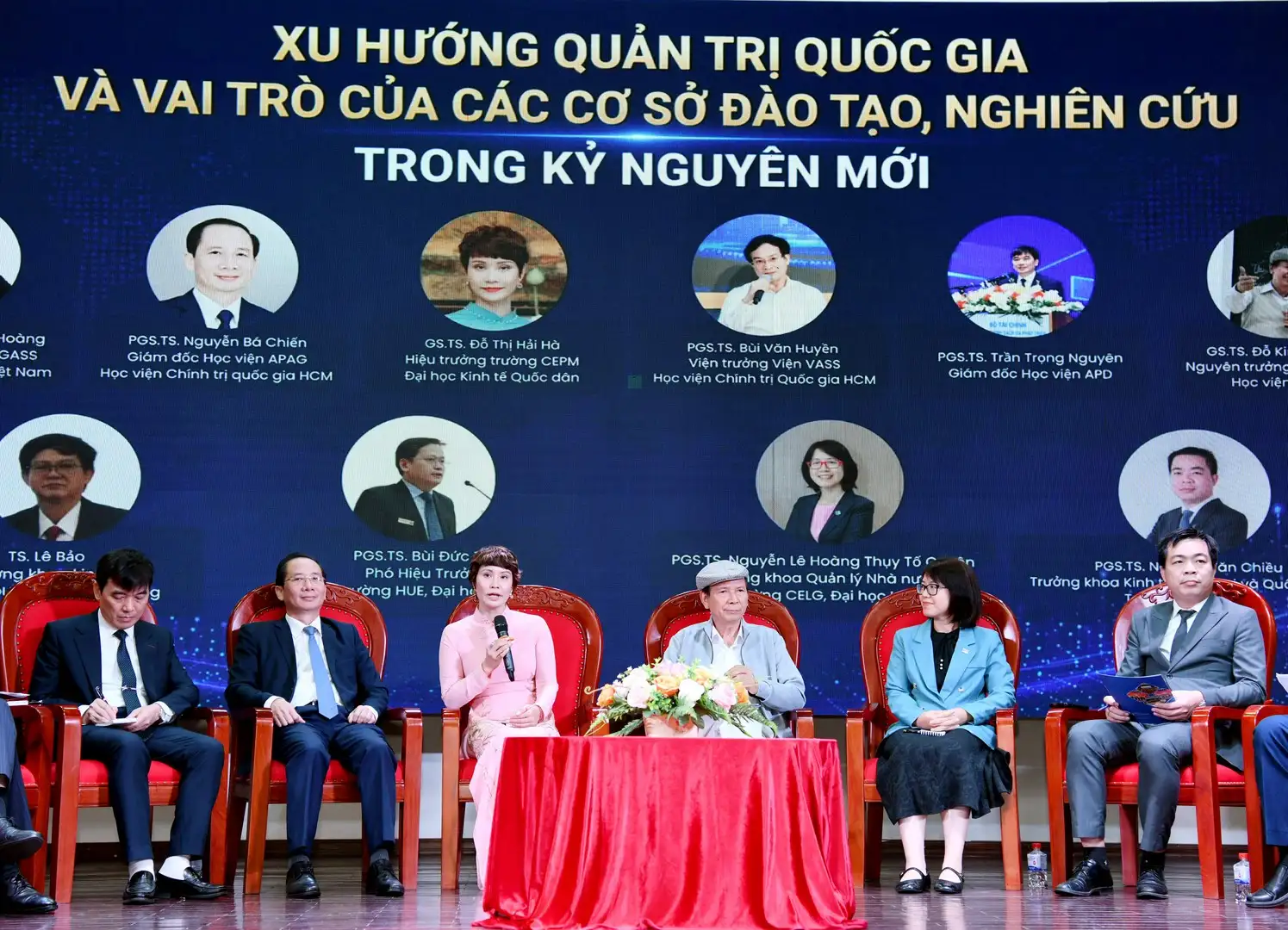
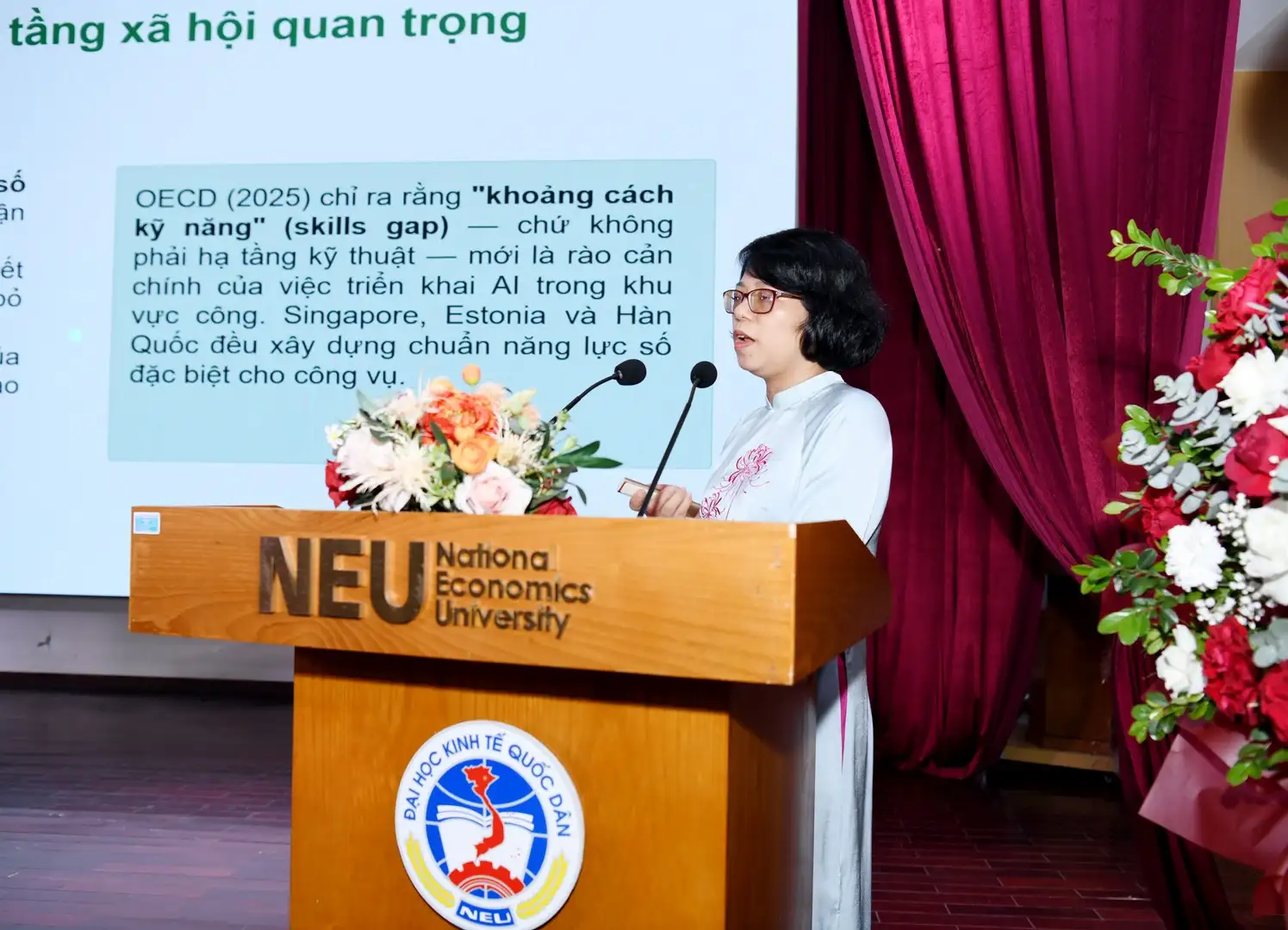
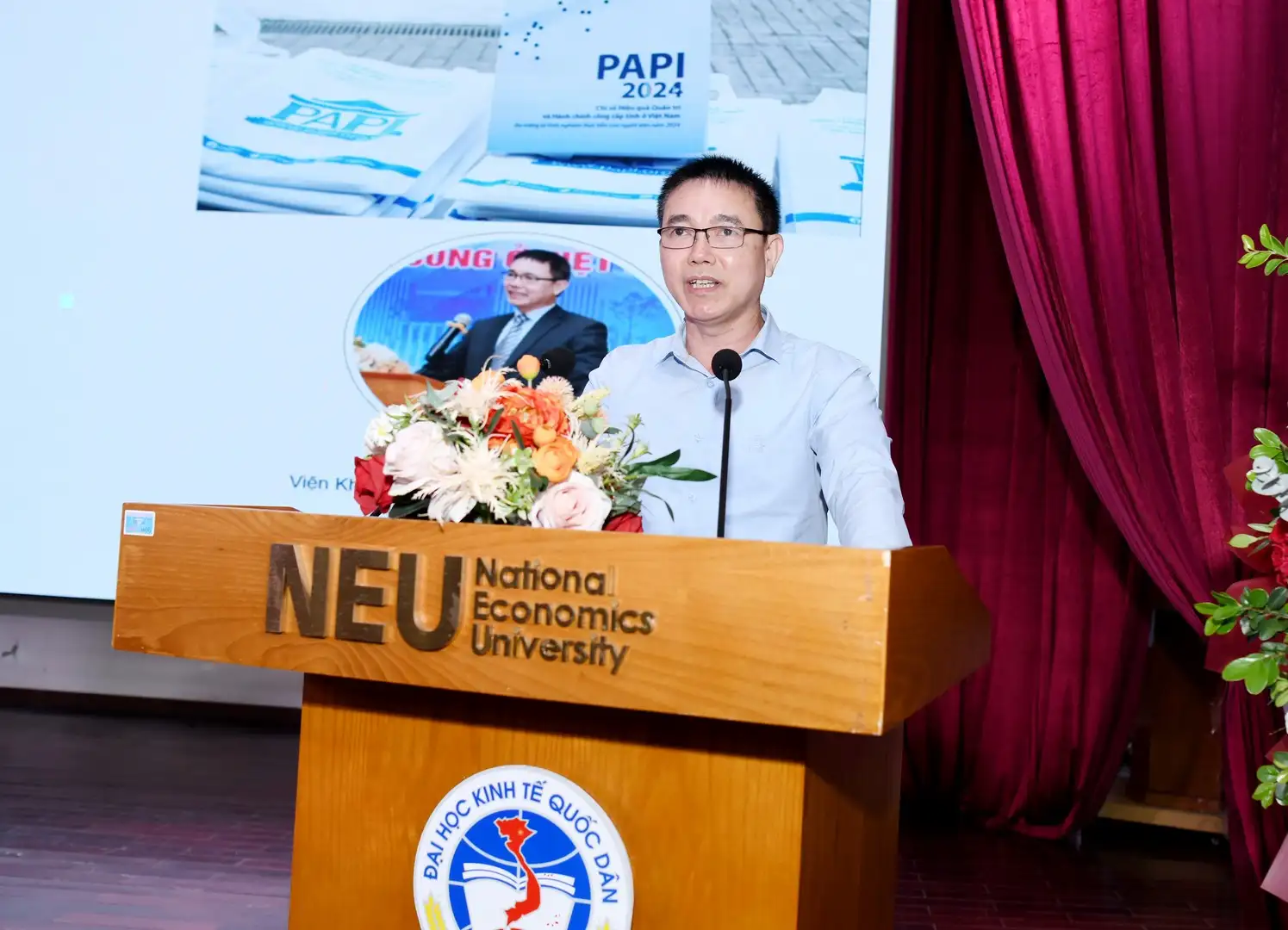
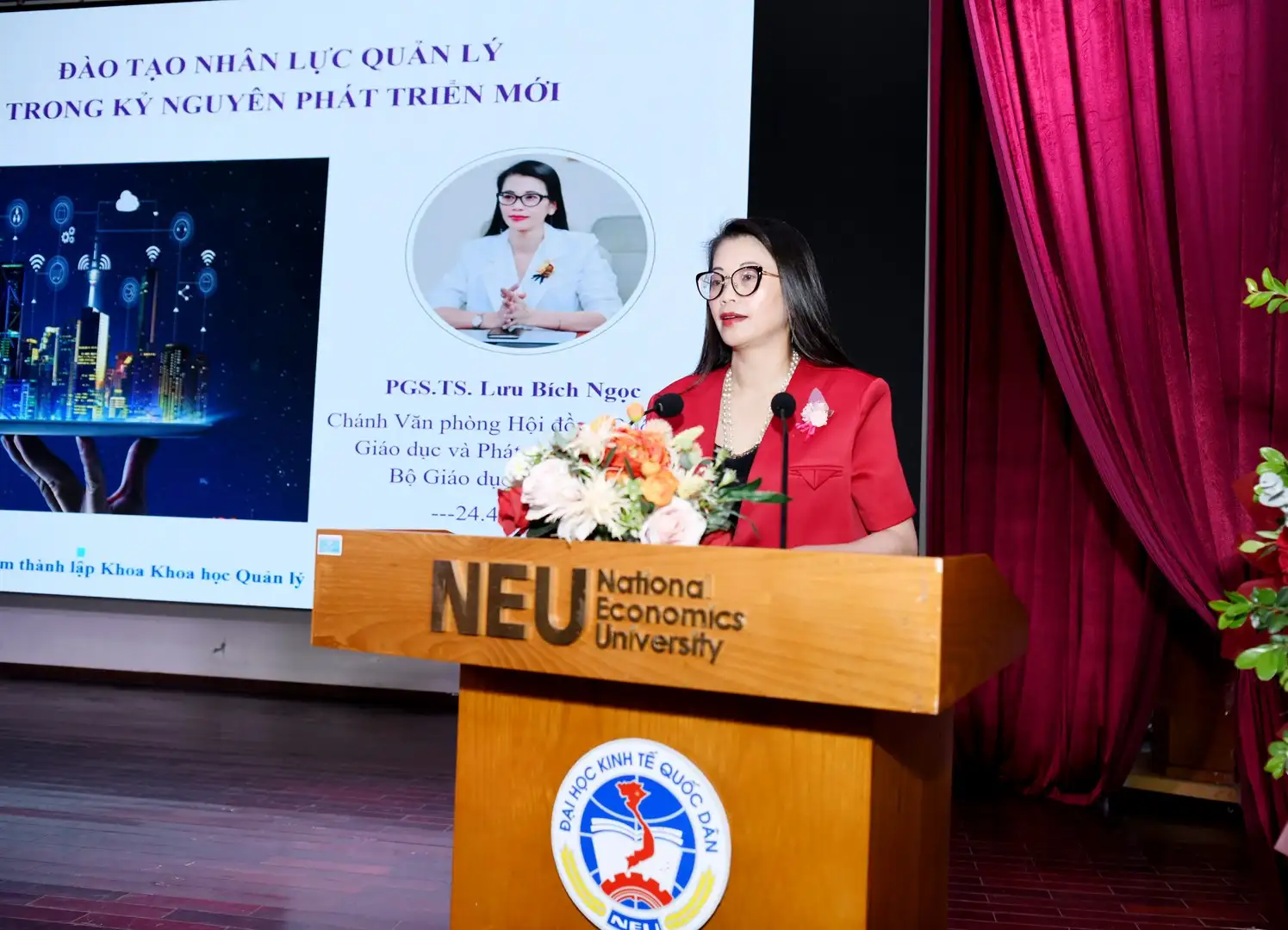
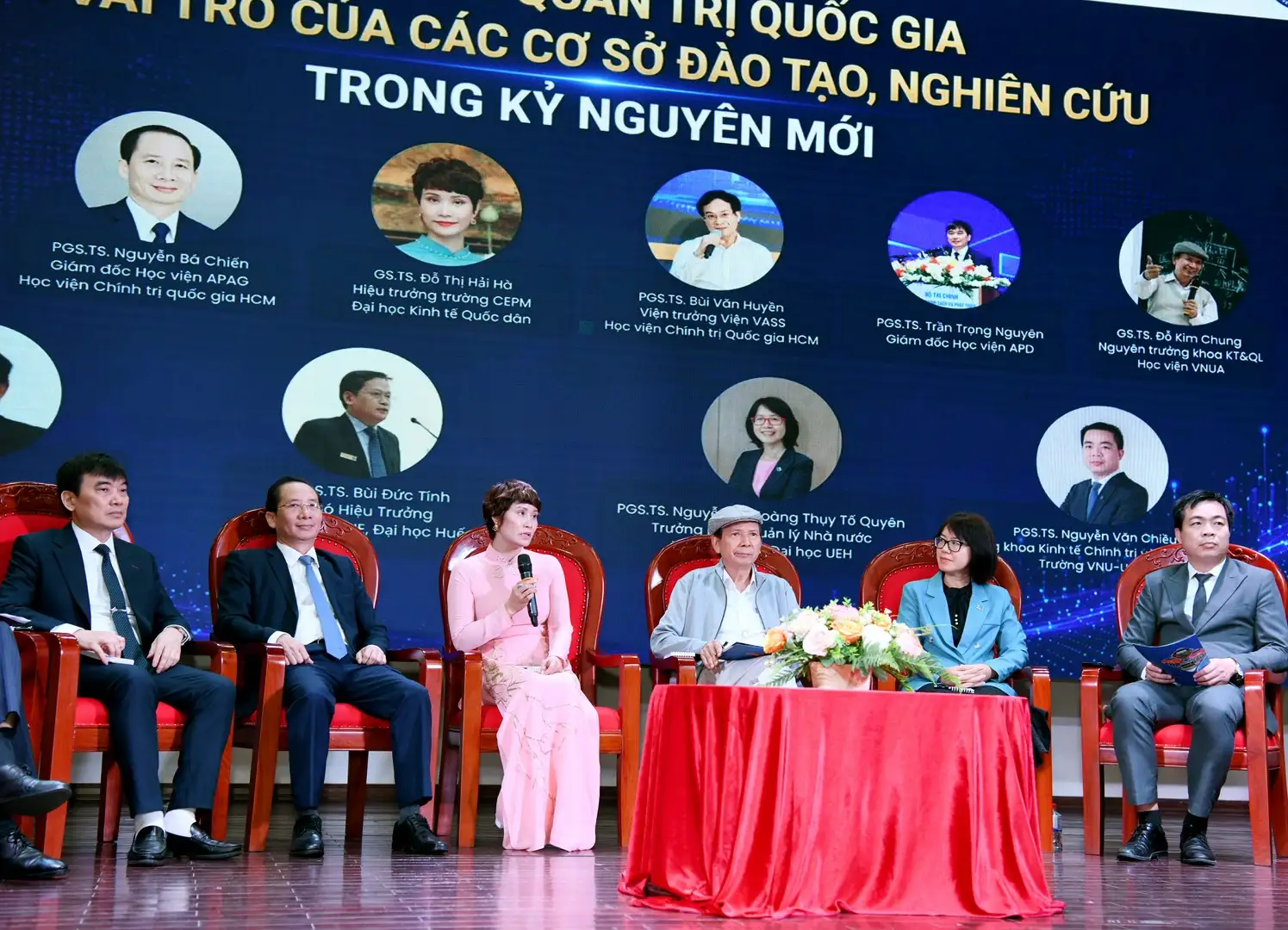
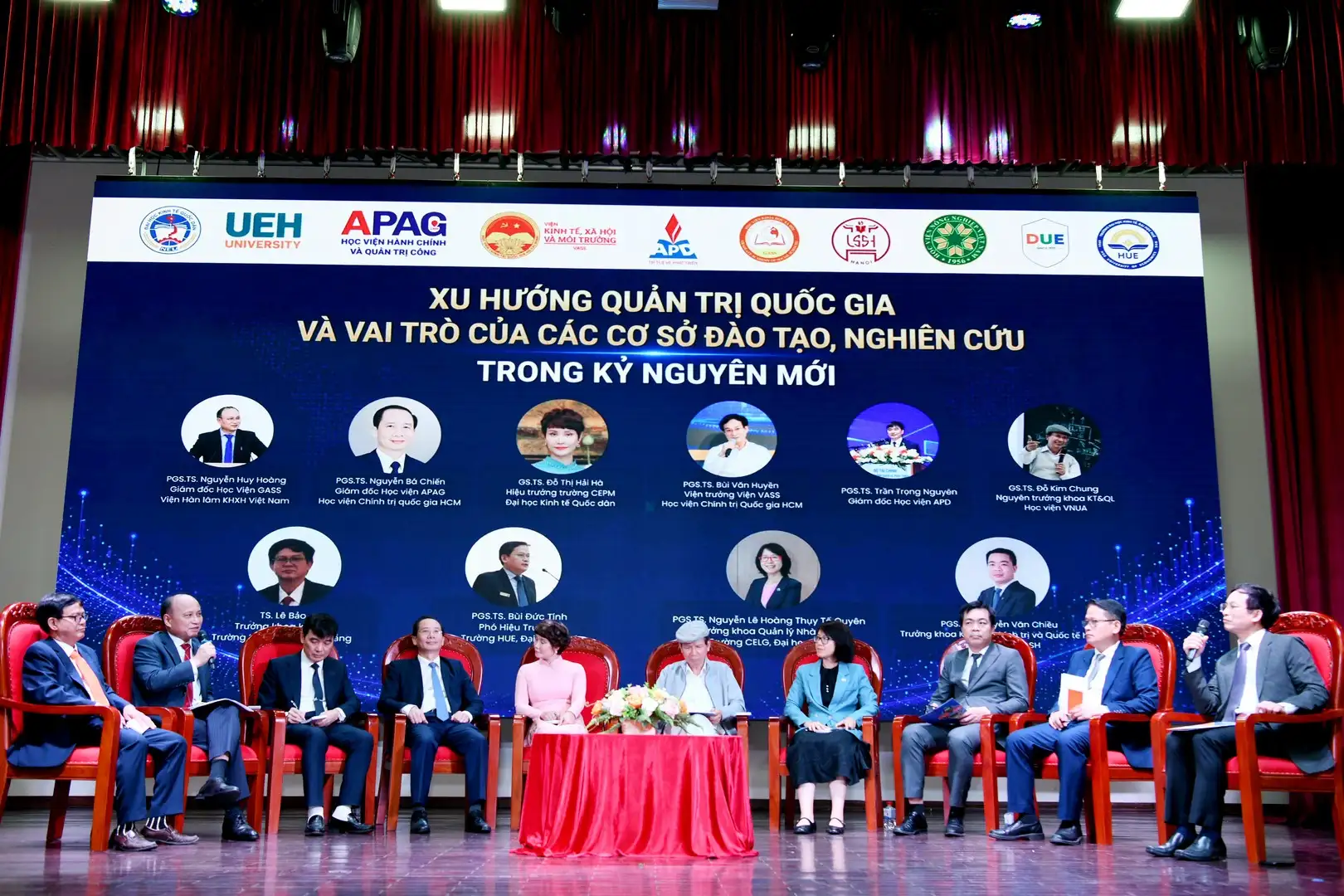
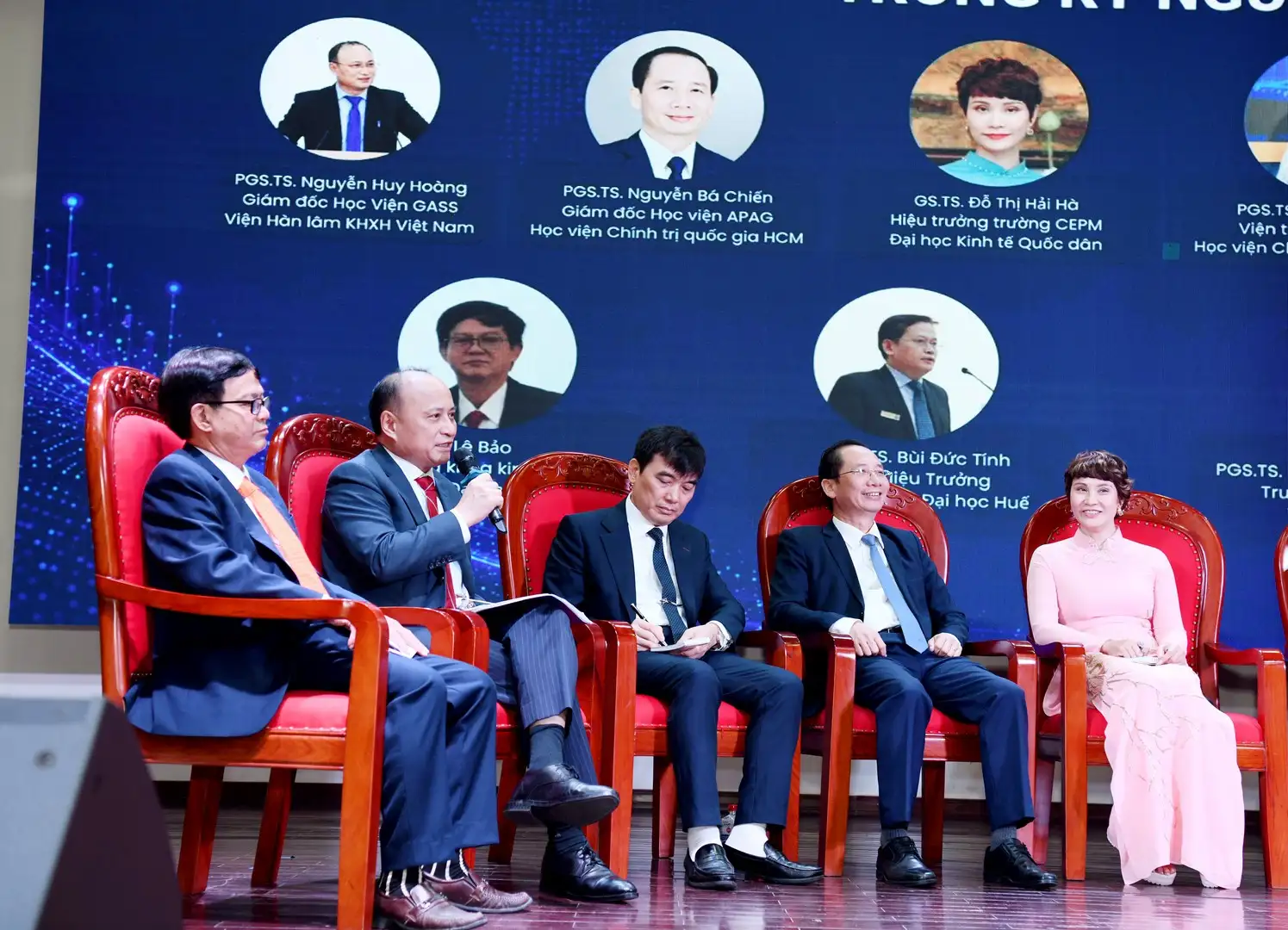
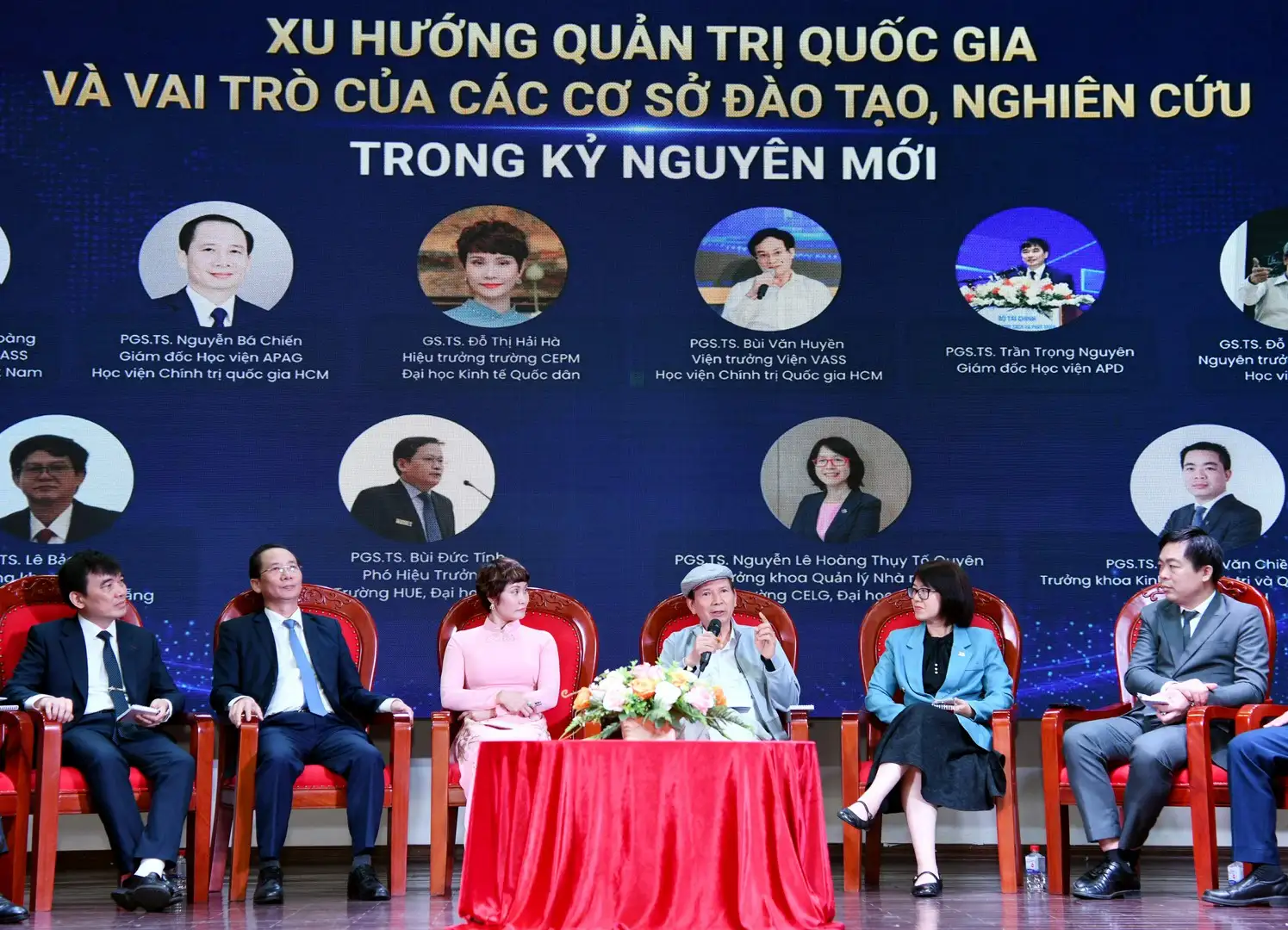
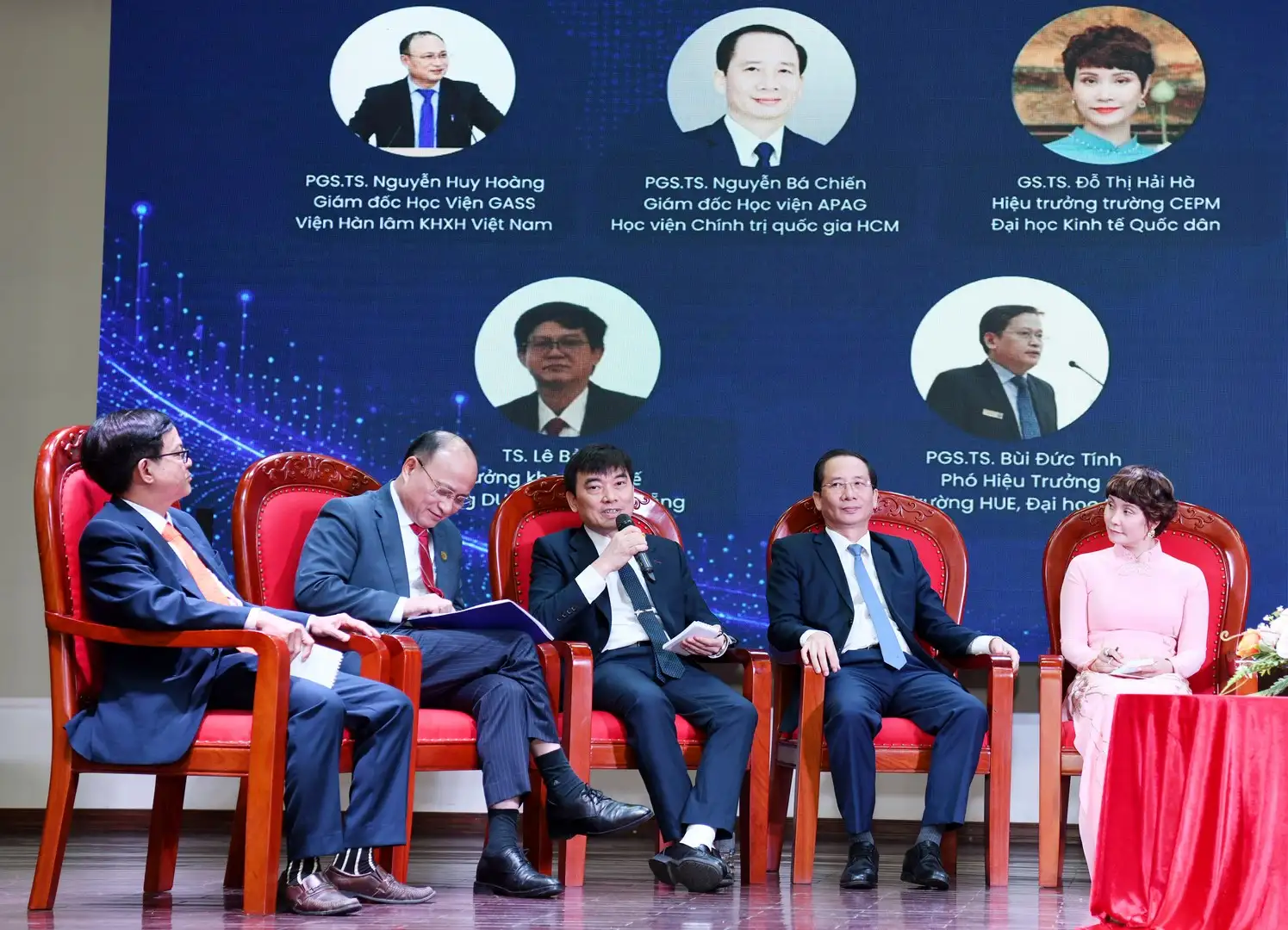
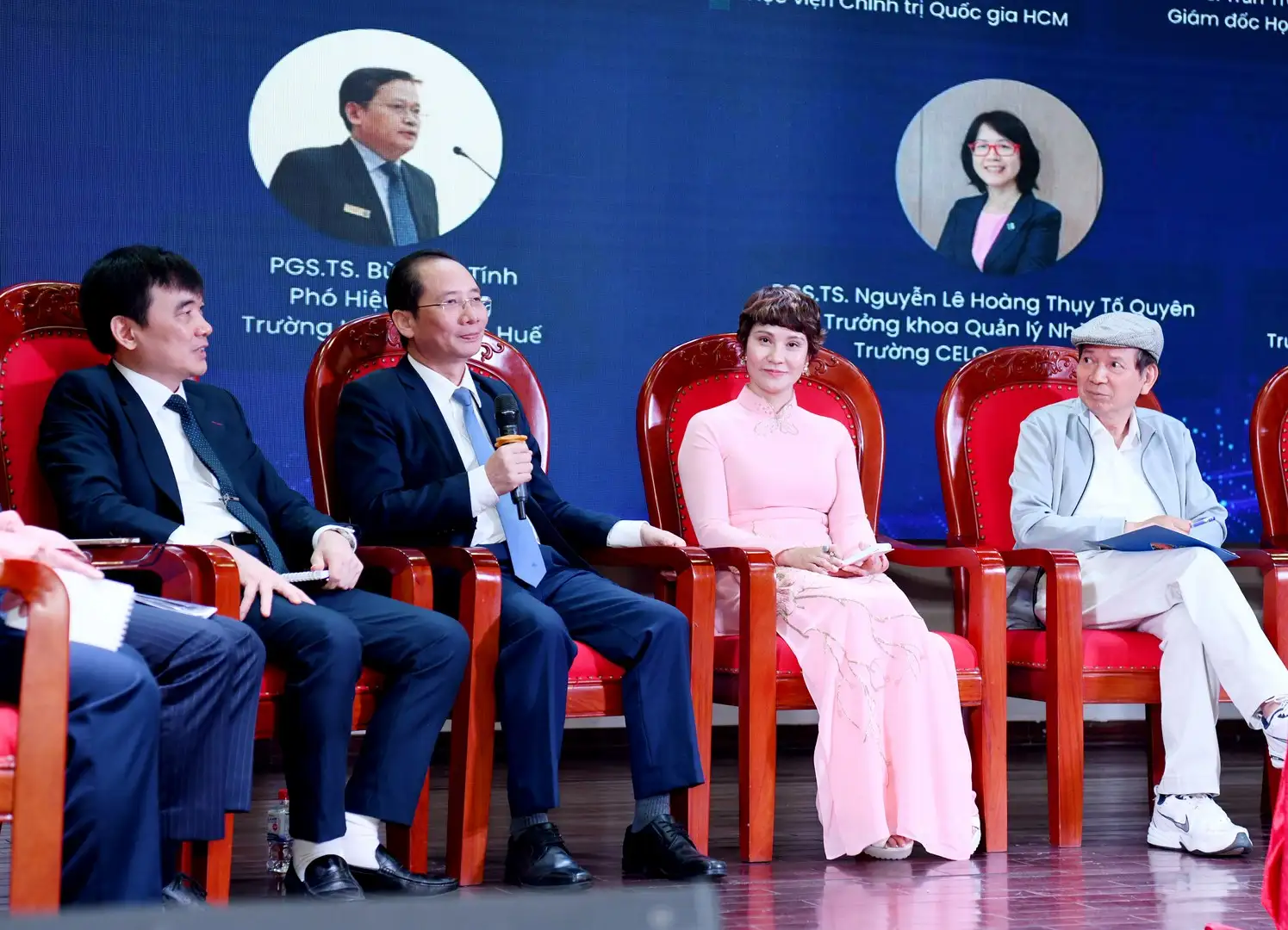
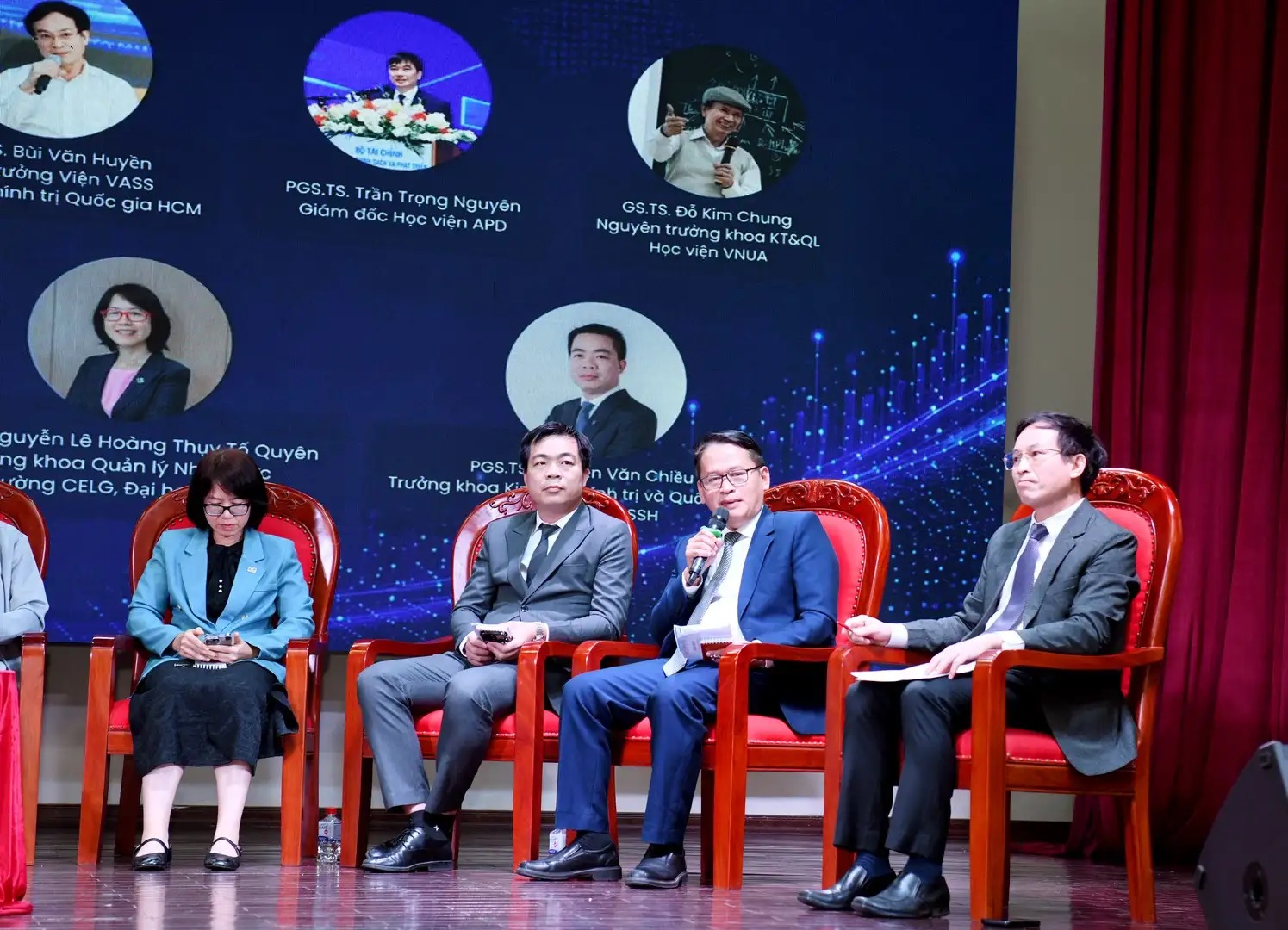
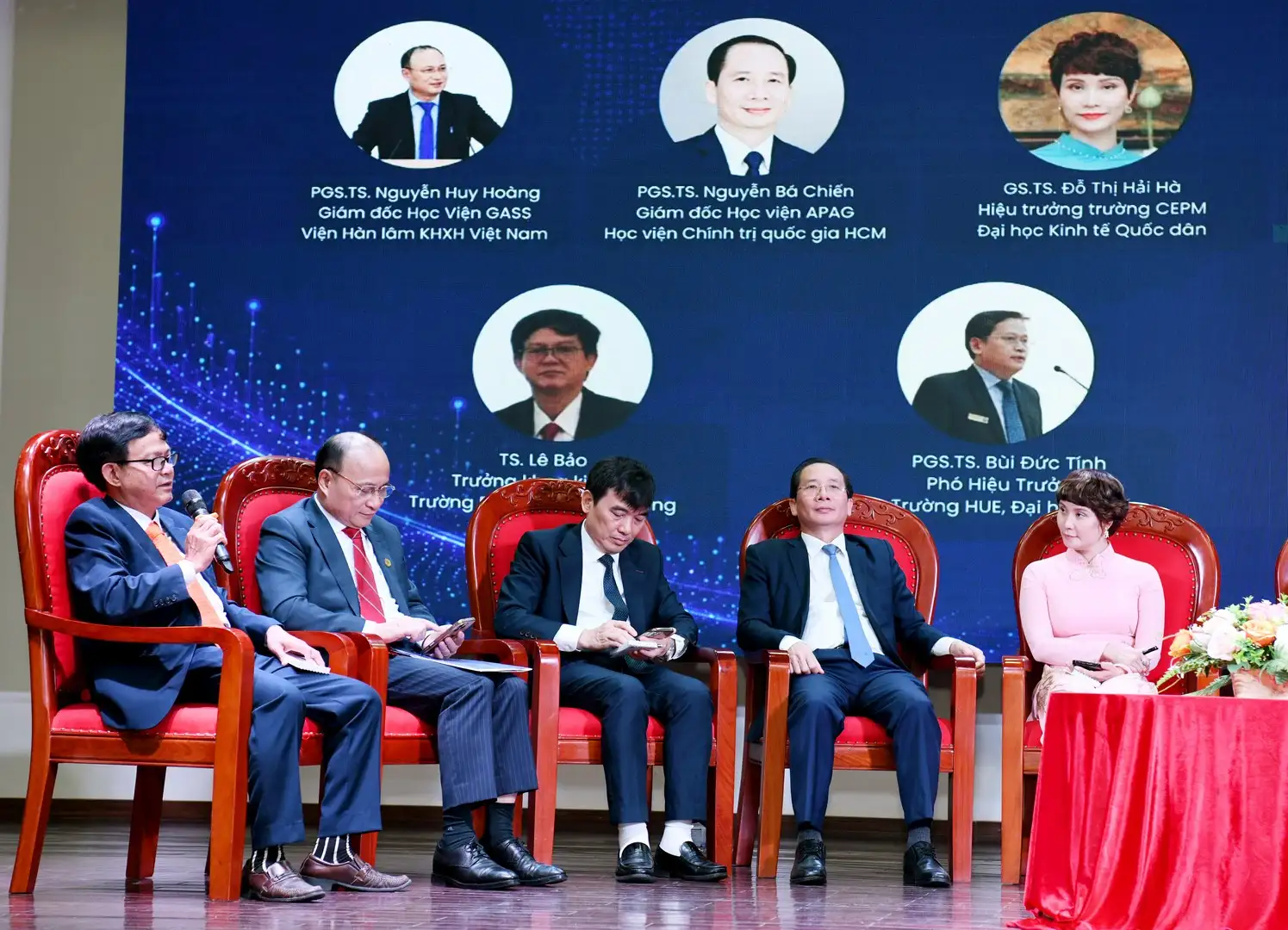
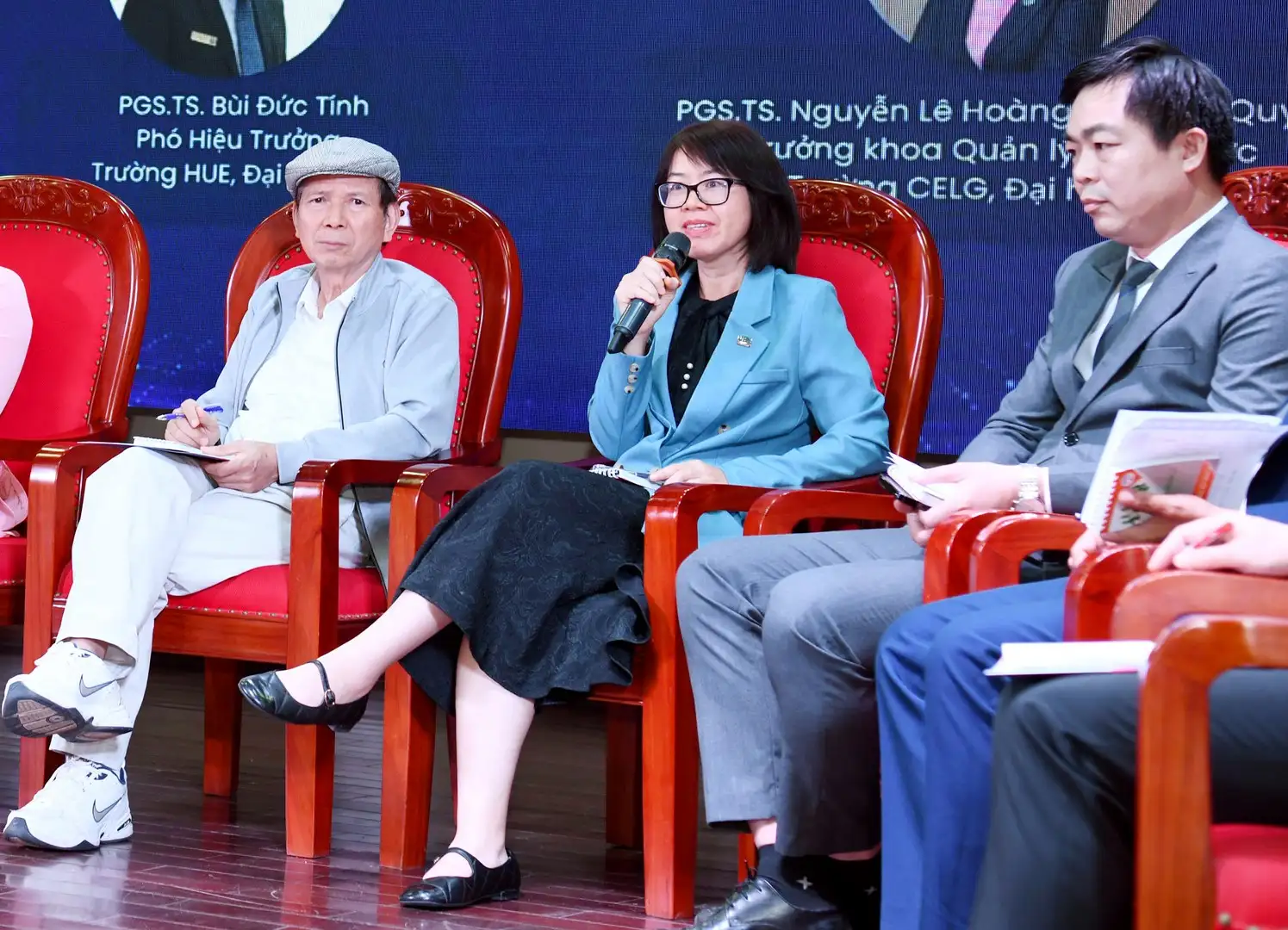
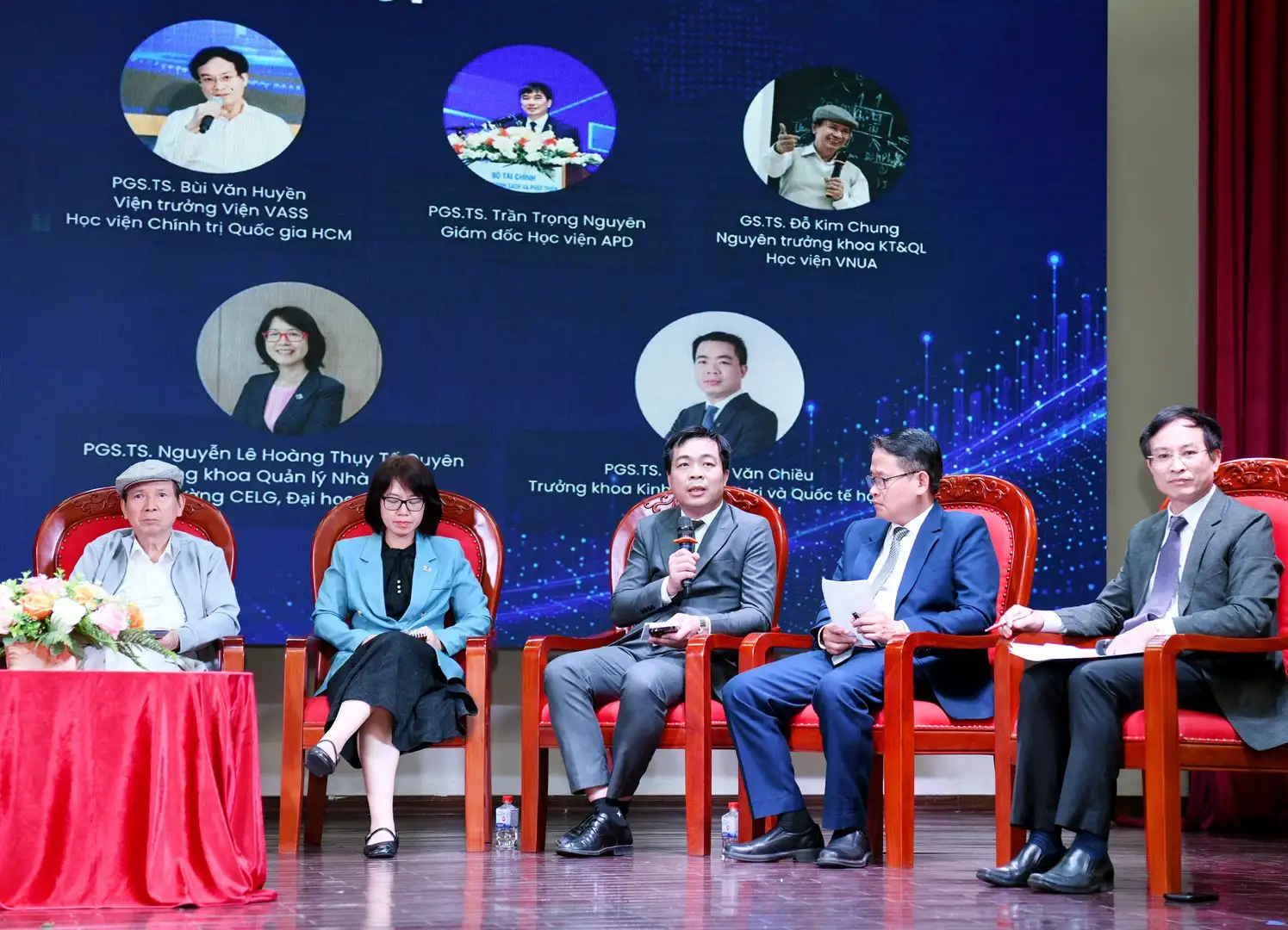
Scientists, experts, and representatives from educational institutions participate in discussions at the Forum
At the roundtable discussion on national governance trends and the role of higher education institutions in the new era, experts and scientists focused on analyzing key topics, including: the content and model of national governance in the new context; factors affecting national governance; the relationship between the quality of state governance and human development; the impact of the data economy on the state’s governance role; institutional reform linked with decentralization and delegation; as well as the opportunities and challenges facing Vietnam. Based on this, delegates proposed solutions to enhance the effectiveness of national governance in the digital era, promote the transition from administrative management to development governance, and simultaneously innovate training and development of management human resources to meet the requirements of national governance in the new era.
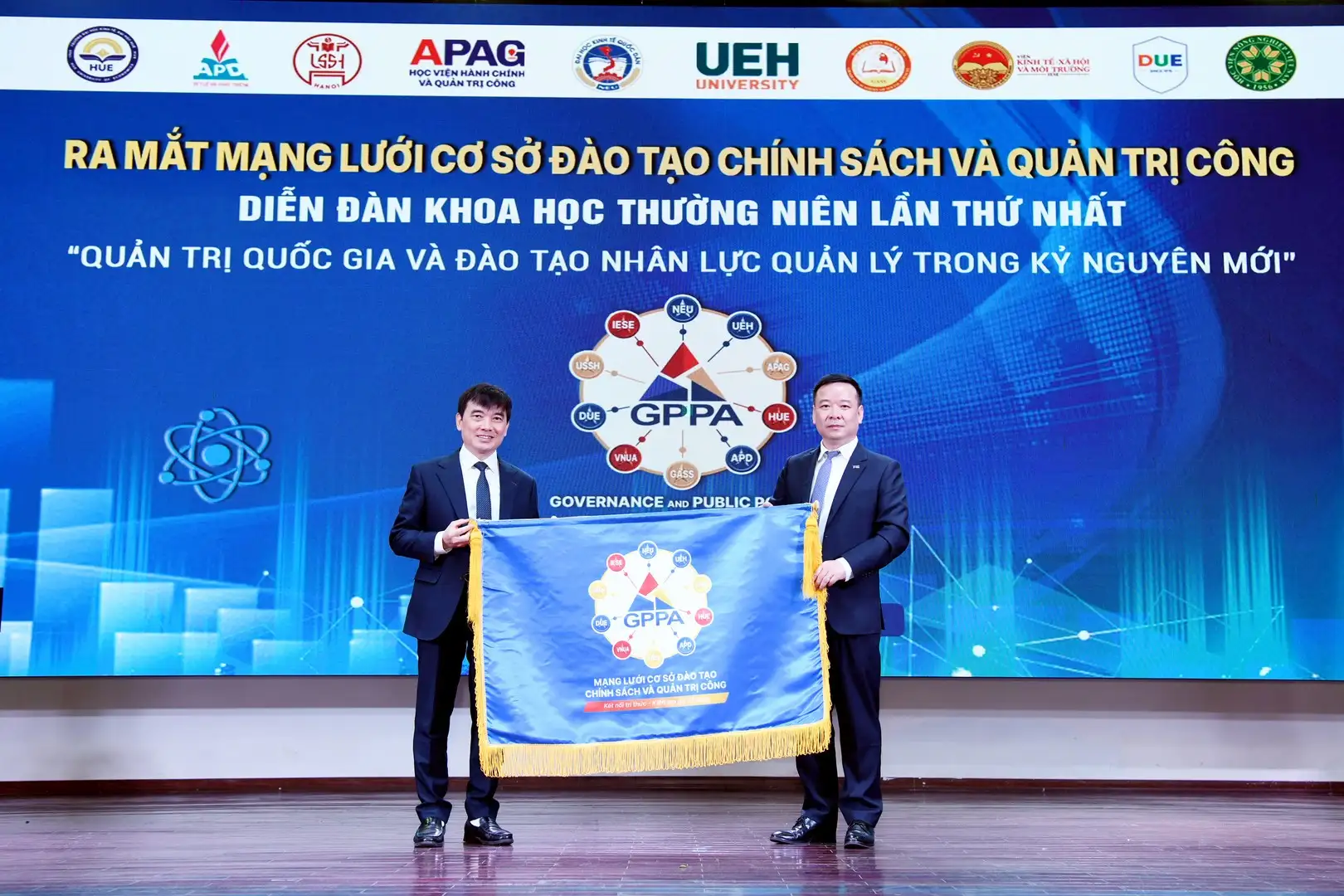
Assoc. Prof. Dr. Bui Huy Nhuong – President of National Economics University presents the flag to the host unit for 2027 to the Academy of Policy and Development
The launch event of the Network of Policy and Public Governance Training Institutions and the First Annual Scientific Forum, hosted by National Economics University, not only affirms the University’s pioneering role in connecting and leading academic activities in the field of policy and public governance but also opens up practical collaboration spaces between educational institutions, research institutes, and experts. This is an important occasion to strengthen linkages, share knowledge and experience, thereby contributing to forming a deep academic community, aiming towards the goal of developing high-quality management human resources to meet the demands of the new era.
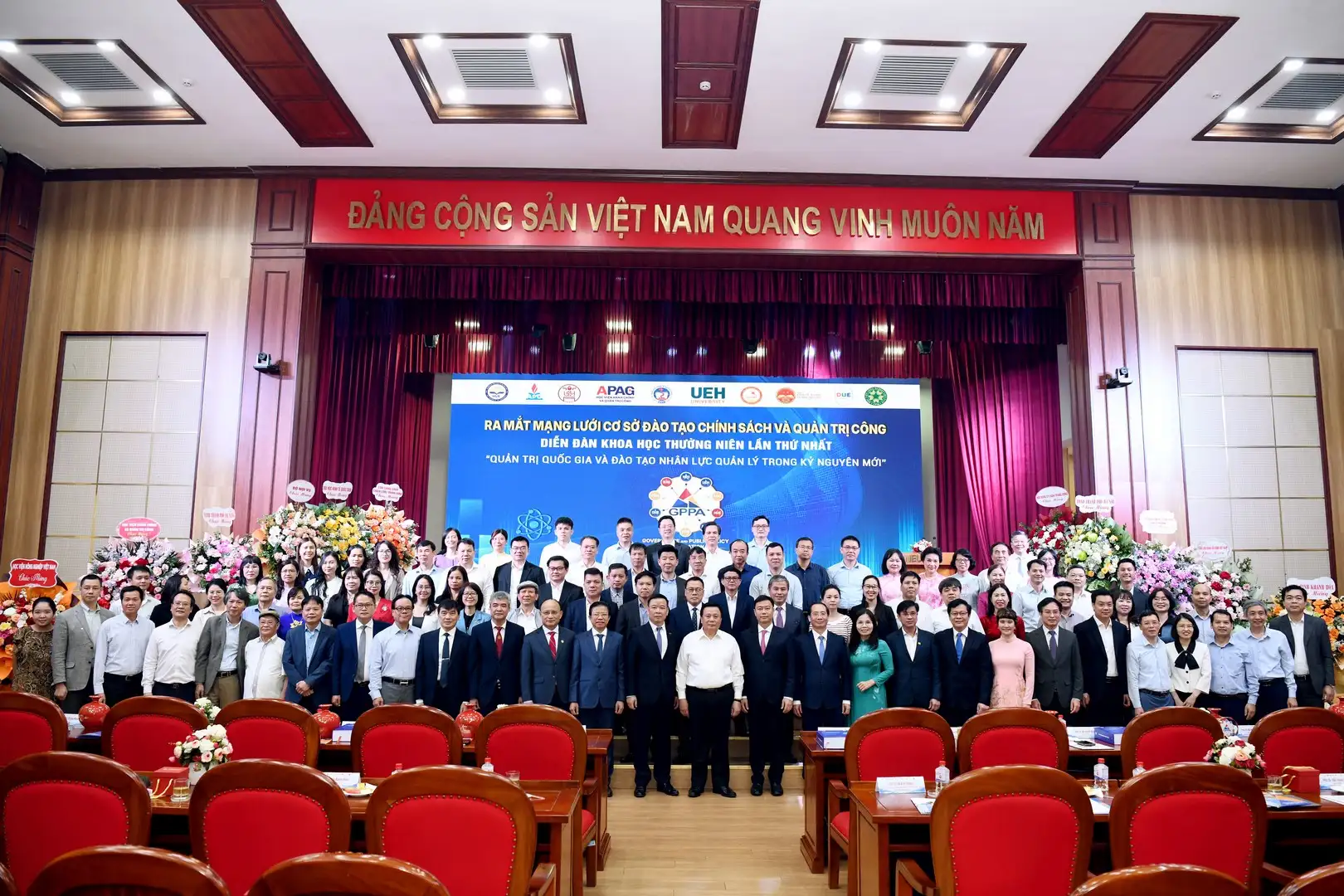
Delegates attending the program take a commemorative photo
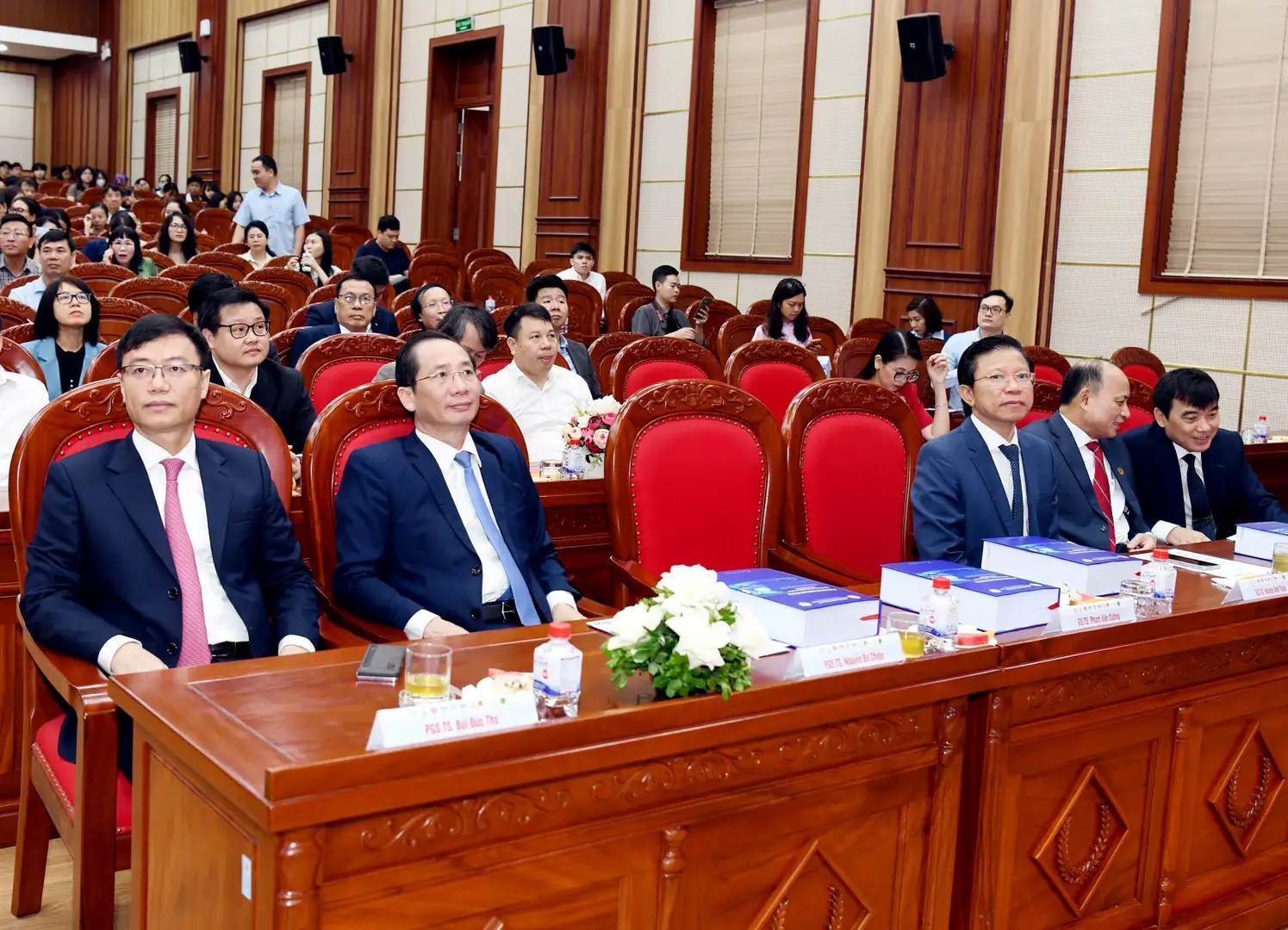
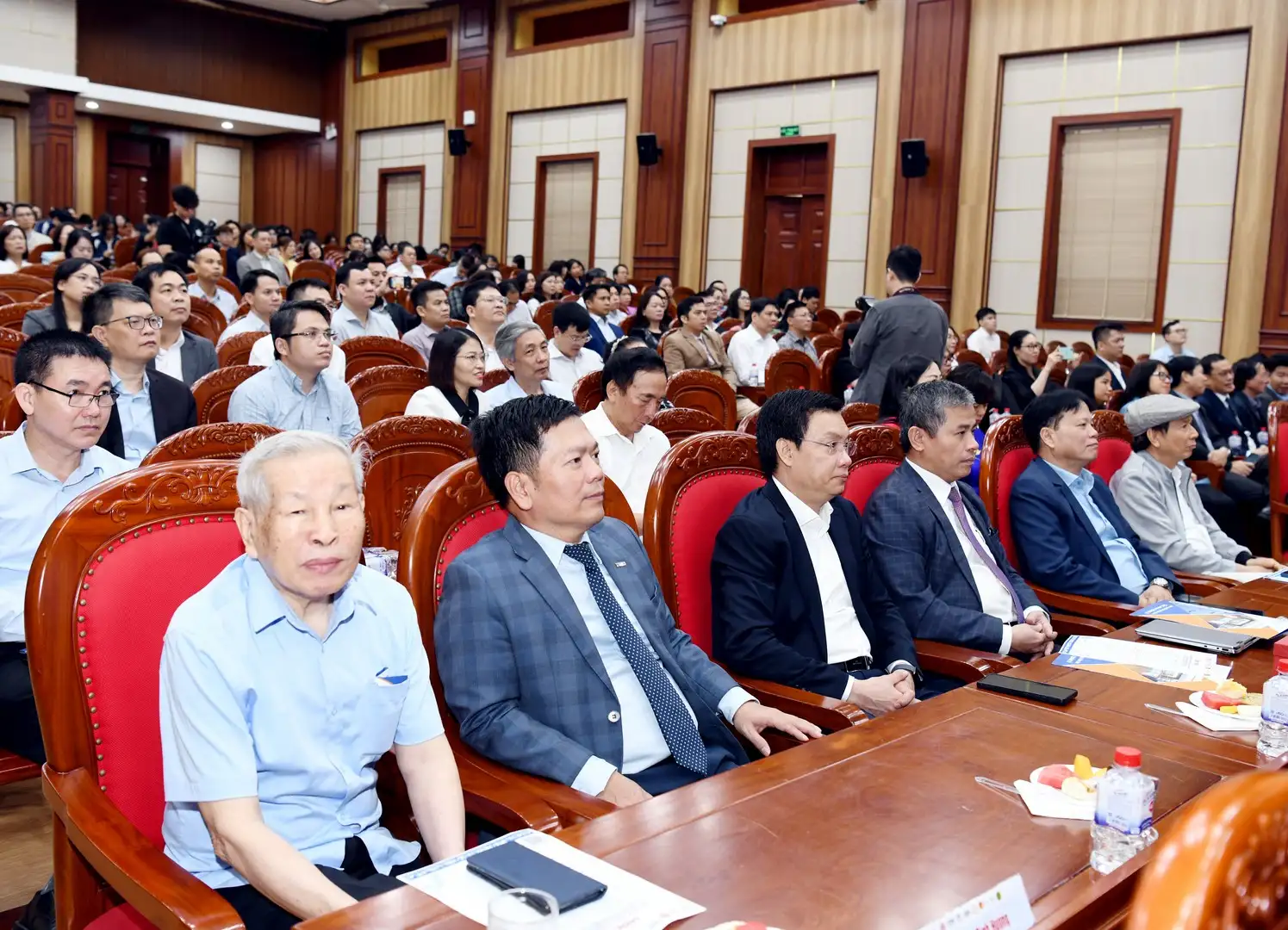
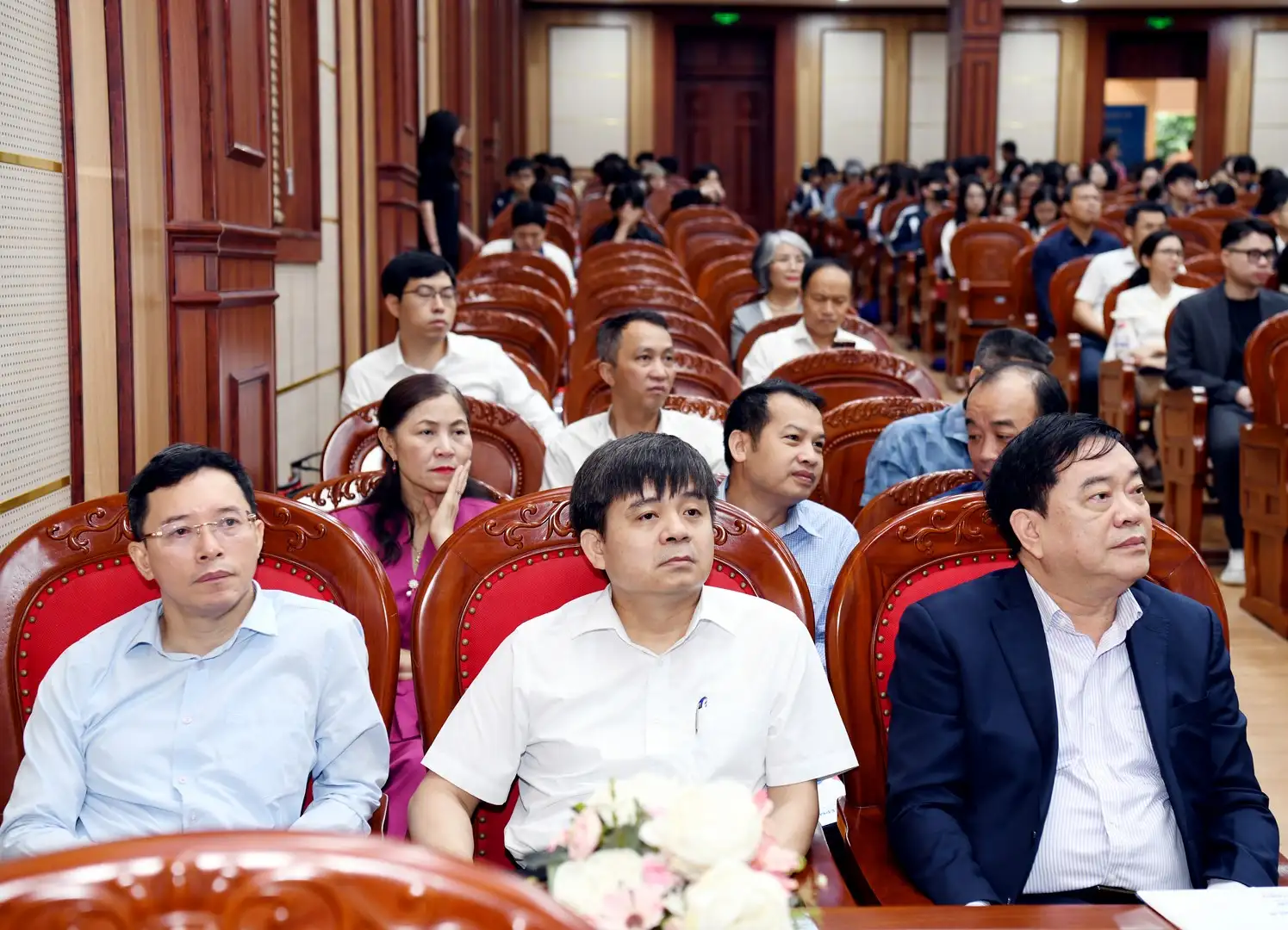
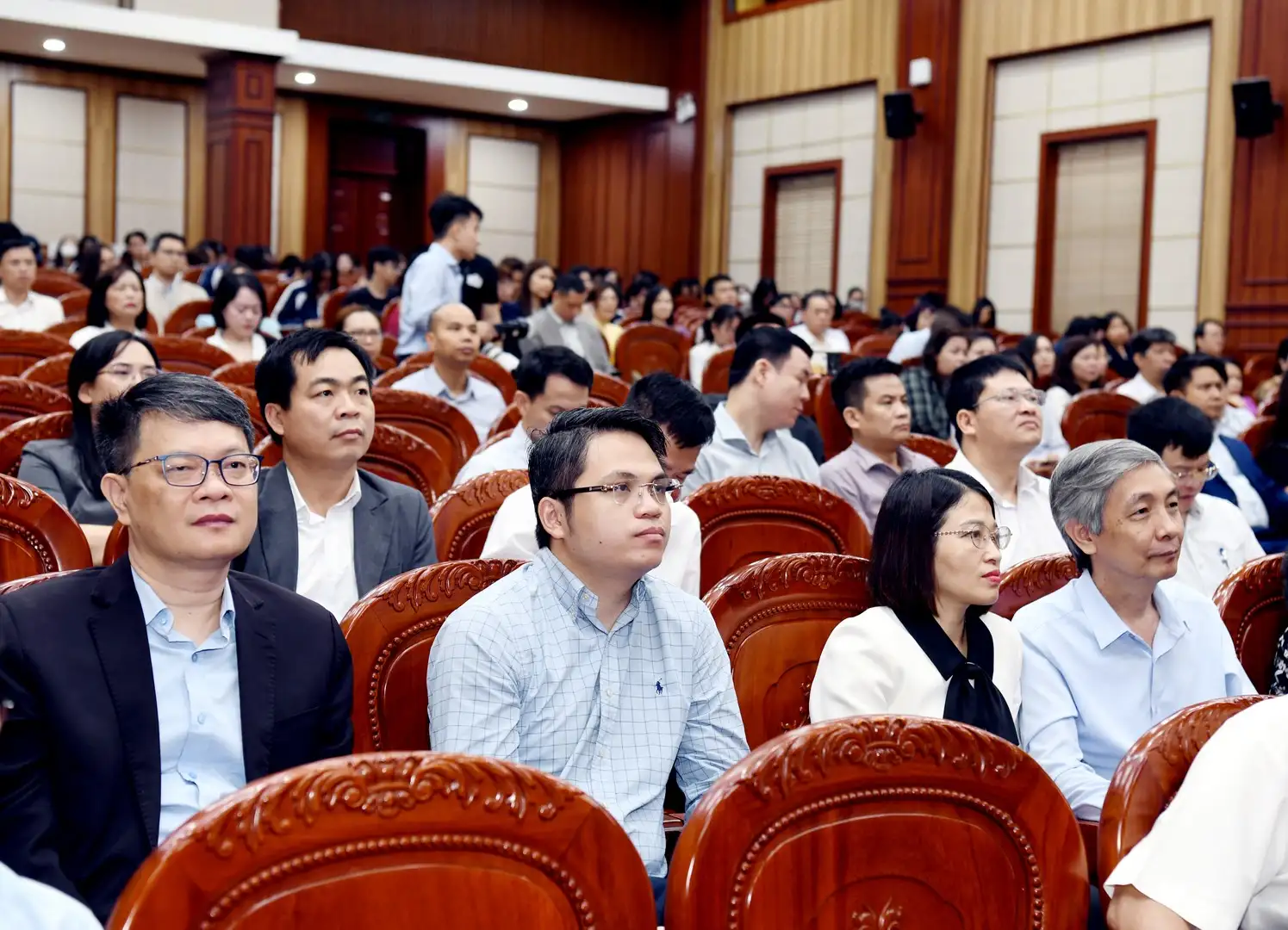
Some images within the framework of the event:
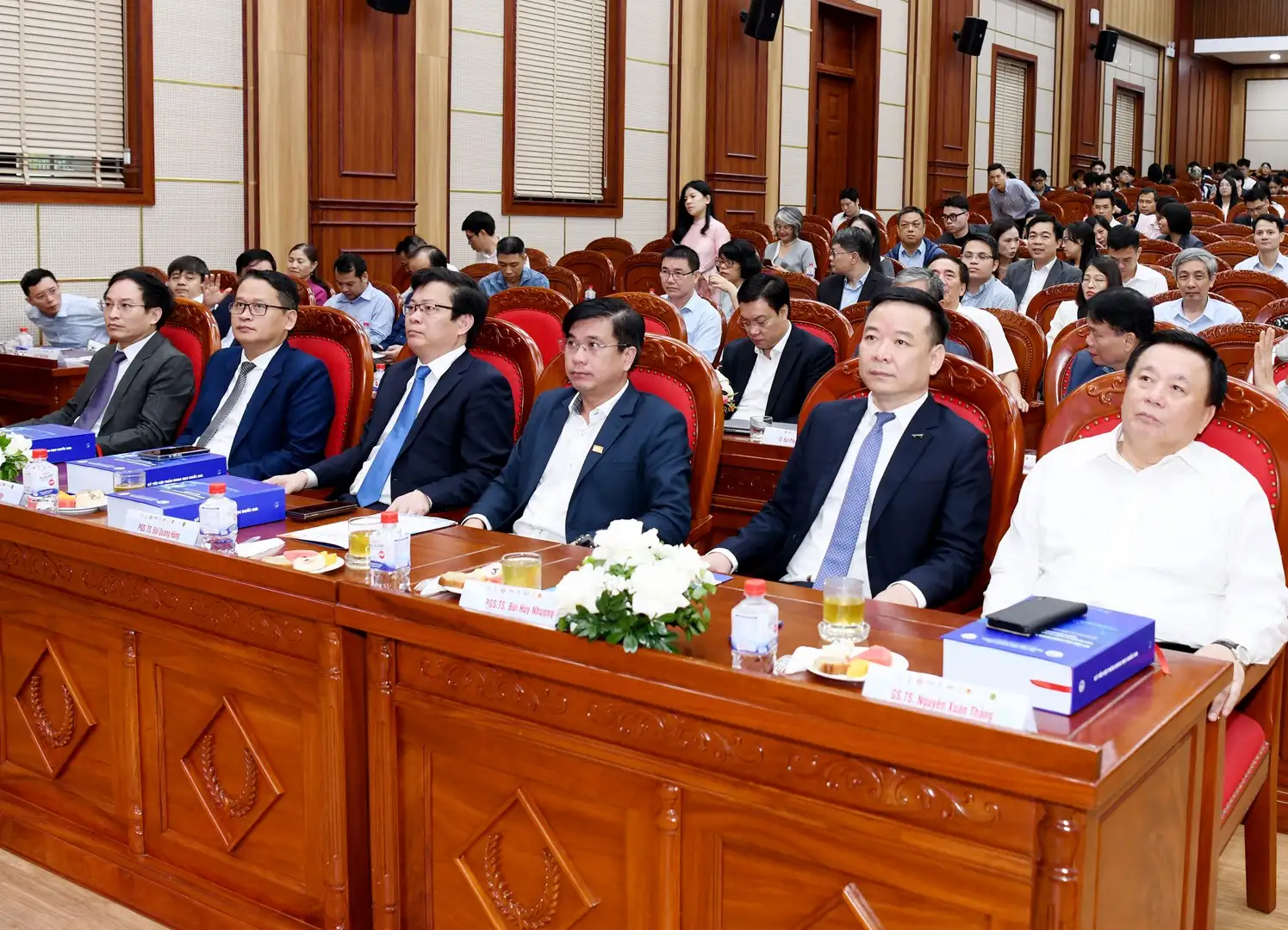
Article and Photos: Communications Department
Media Coverage of the Event:
People’s Newspaper: Launchof the Network of Public Policy and Governance Training Institutions
People’s Deputies Newspaper: Launch of the Network of Public Policy and Governance Training Institutions