
Sustainable Transitions from the Practices of Vietnam and Australia: Academic Dialogue between NEU and the University of Adelaide
15/09/2026 2026-10-20 9:57Sustainable Transitions from the Practices of Vietnam and Australia: Academic Dialogue between NEU and the University of Adelaide
Sustainable Transitions from the Practices of Vietnam and Australia: Academic Dialogue between NEU and the University of Adelaide
Within the framework of a working visit to Australia in early September 2026, the National Economics University and the University of Adelaide (AU) jointly organized the seminar “Sustainability Transitions: Global Trends and Future Challenges.” Drawing from the practices of Vietnam and Australia, scientists from both universities exchanged insights on the challenges of sustainable transitions, from energy shifts and circular economy to the gap between policy and implementation. The differences in developmental contexts provided complementary perspectives and opened up many common research questions between the two sides.
Attending the seminar, from the National Economics University, were: Prof. Dr. Nguyen Huu Anh – Vice Rector, Head of Delegation; Prof. Dr. Le Quoc Hoi – Vice Dean of the School of Economics and Public Management; Prof. Dr. Dinh Duc Truong – Head of the Faculty of Environment, Climate Change, and Urban Studies; Dr. Trinh Mai Van – Deputy Head of the Department of Scientific Management; Dr. Pham Sy Long – Deputy Head of the Department of International Collaboration; Dr. Nguyen Hoang Nam – Lecturer at the Faculty of Environment, Climate Change, and Urban Studies. From the University of Adelaide, professors and scientists from various fields such as environment, energy, engineering, economics, business, and social sciences participated.
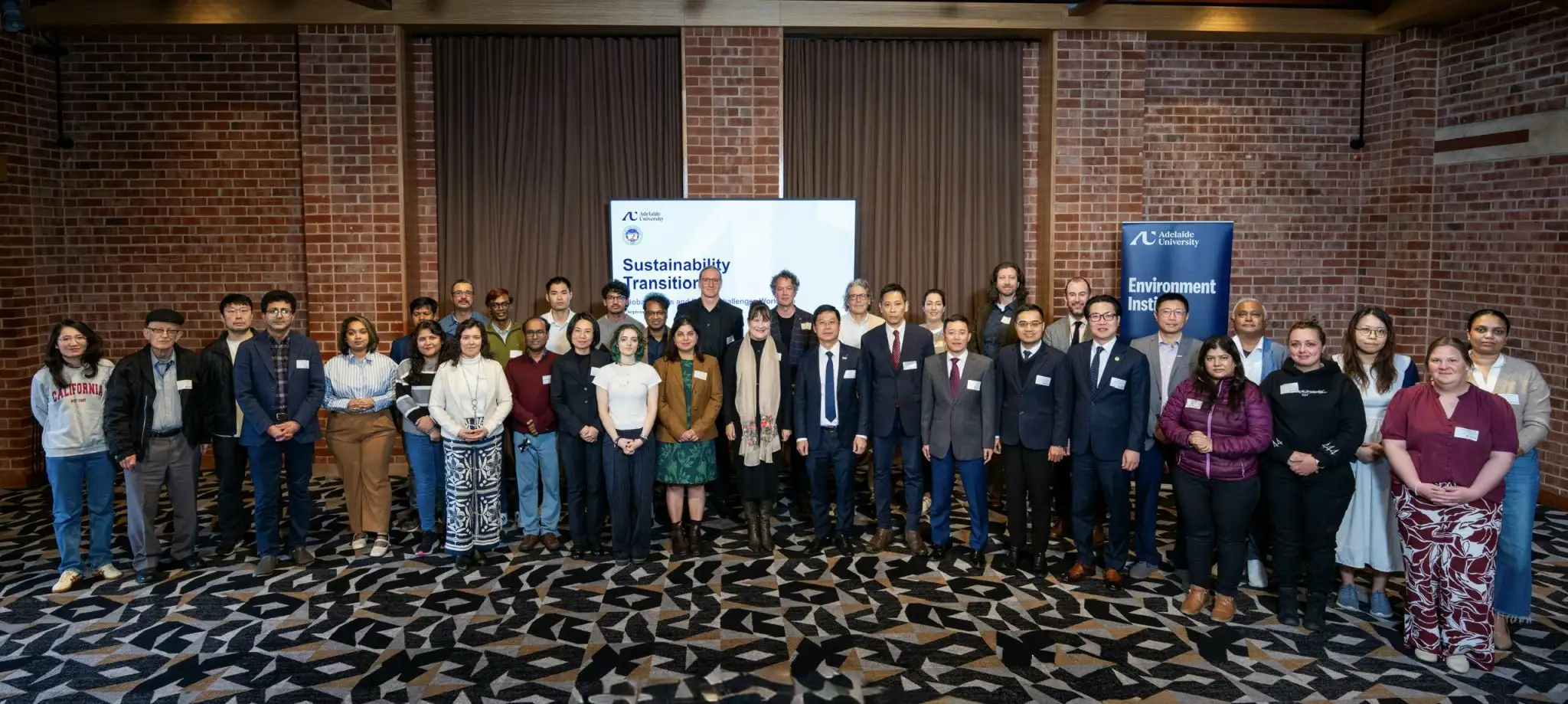
Delegates and scientists from the National Economics University and the University of Adelaide attending the seminar “Sustainability Transitions: Global Trends and Future Challenges”
Sustainable Transitions Require an Interdisciplinary Approach
Opening the seminar, Prof. Melissa Nursey-Bray from the Institute of Society and Culture, School of Education, Behavioral and Social Sciences, University of Adelaide, extended a warm welcome to the delegates and scientists participating in the program, setting the stage for academic exchanges on the key issues of the seminar.
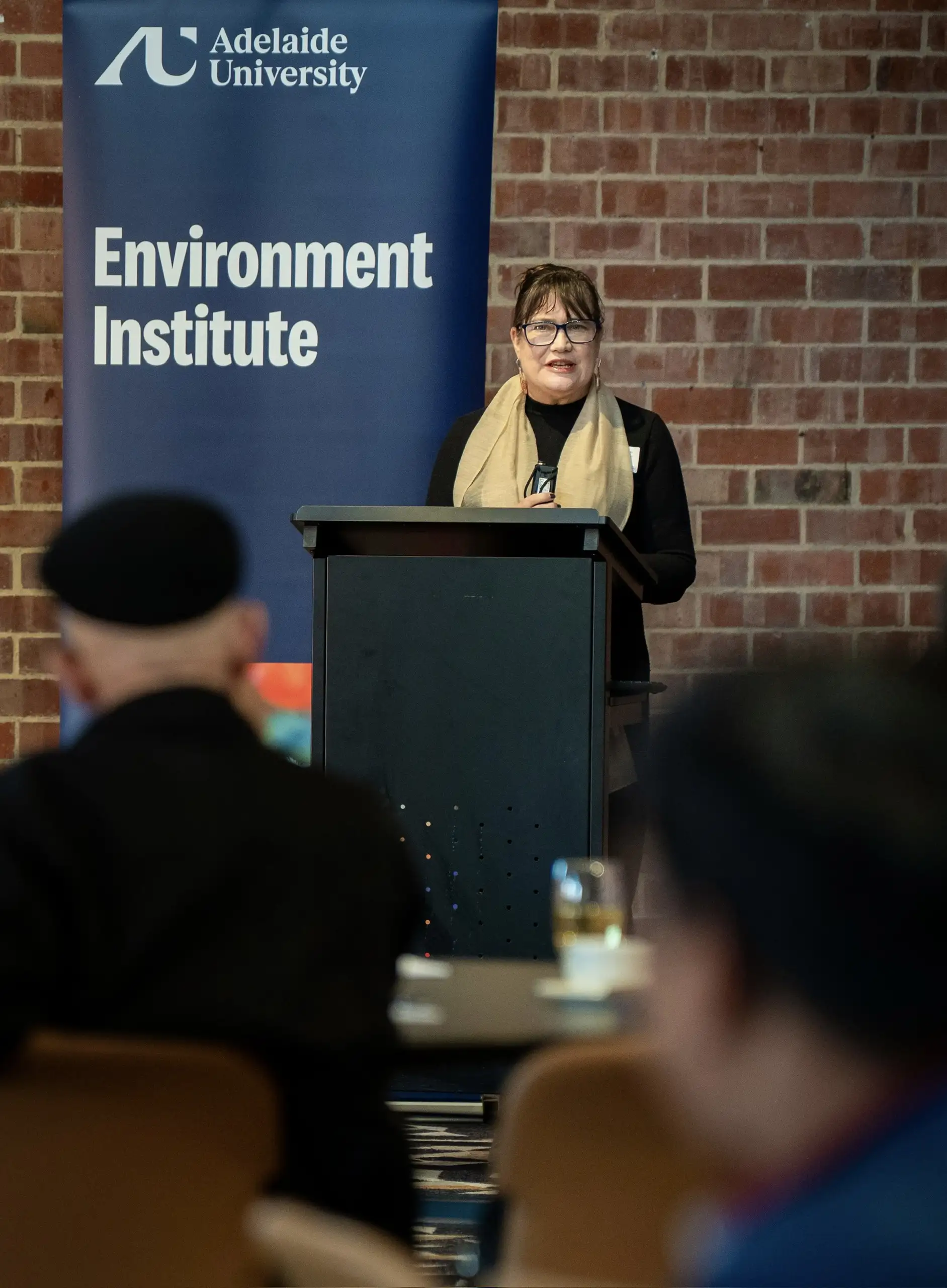
Prof. Melissa Nursey-Bray – University of Adelaide speaking at the seminar
Following this, Prof. Dr. Nguyen Huu Anh – Vice Rector of the National Economics University shared NEU’s perspective on the requirements of the sustainable transition process and the role of universities. According to Prof. Dr. Nguyen Huu Anh, climate change, resource extraction pressures, rapid urbanization, and technological changes are profoundly altering the development methods of economies and societies. For Vietnam – a dynamic emerging economy but also heavily affected by climate change – the challenge is to maintain growth momentum while accelerating the transition to a green, low-carbon development model with greater resilience.
Prof. Dr. Nguyen Huu Anh emphasized that sustainable transformation is not merely about adopting new technologies, but requires changes in economic institutions, public policy, business models, investment, behavior, and governance systems. In this process, universities play a crucial role through academic research, training, innovation, policy consultation, and human resource development. Drawing from the complementary strengths of the two universities, Prof. Dr. Nguyen Huu Anh suggested research directions on climate change, green growth, energy transition, sustainable urban development, and circular economy; while also highlighting the importance of education, academic exchange, and connecting research with policy, businesses, and the community.
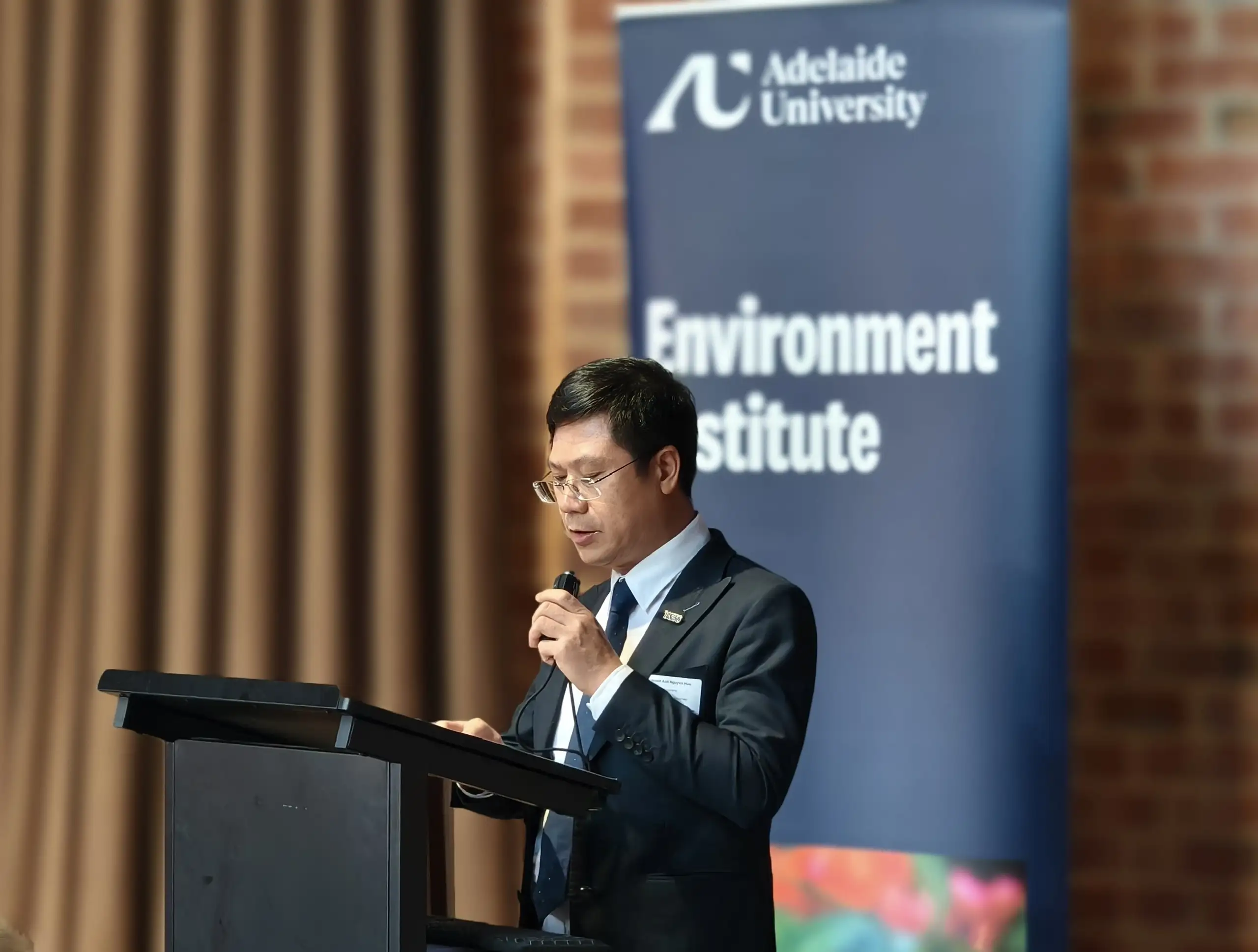
Prof. Dr. Nguyen Huu Anh – Vice President of the National Economics University speaking at the Conference
From Global Energy Challenges to Vietnam’s Realities
Commencing the specialized discussion, Assoc. Prof. James Hopeward from the School of Engineering and Information Technology, University of Adelaide approached sustainable transformation from a global perspective, focusing on the challenges of energy transition.
According to Assoc. Prof. Hopeward’s analysis, reducing dependence on fossil fuels and transitioning to renewable energy is not simply about replacing one energy source with another. This process requires synchronization between the development of renewable energy and the electrification of energy demand, while also considering the resource, material, land, and infrastructure needs of the new energy system.
From this, the discussion raises broader questions about the relationship between energy demand, resource limits, and growth models. Therefore, sustainable transformation is not just about producing more clean energy, but also involves how the economy and society use energy and resources more efficiently within the limits of the ecosystem.
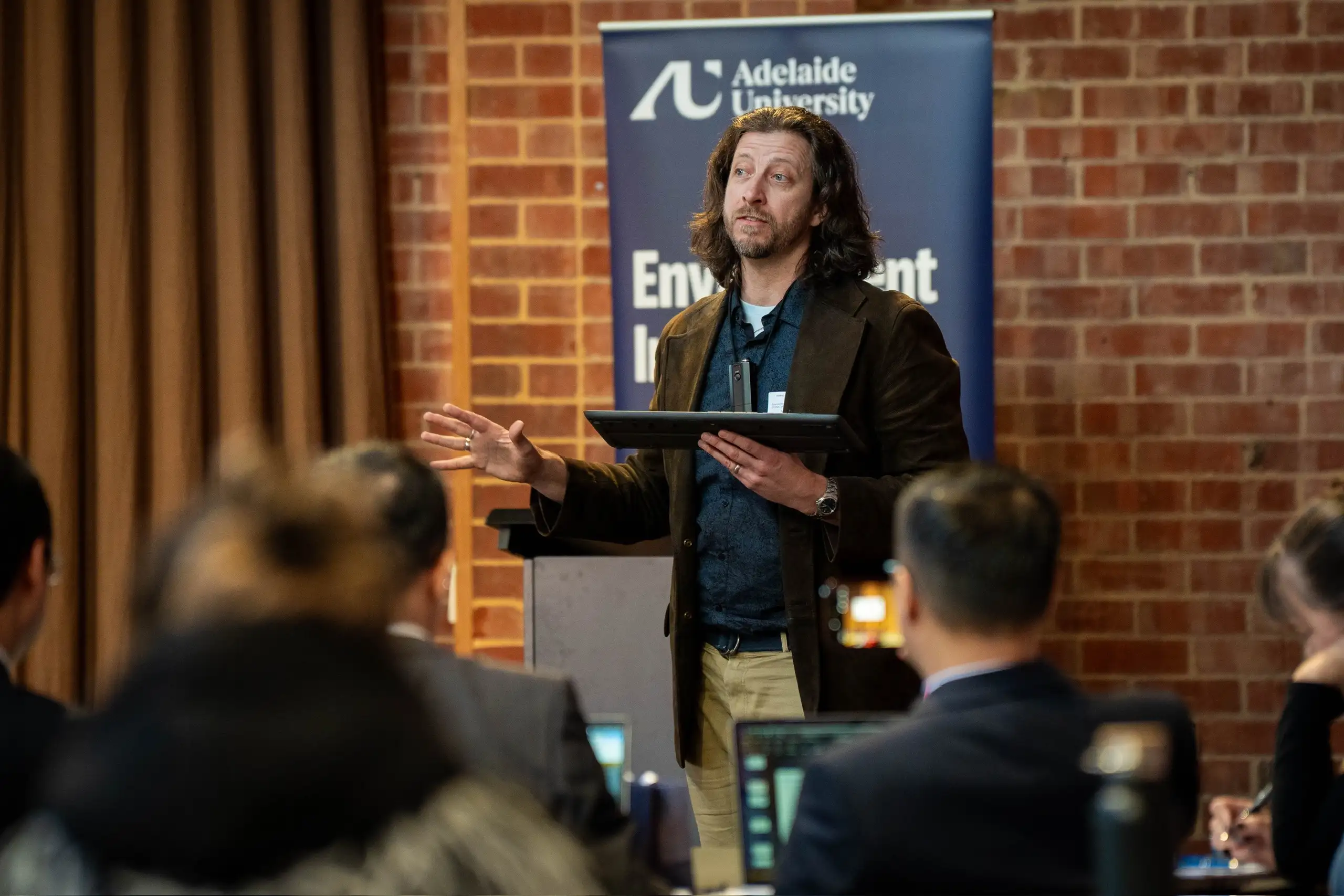
Assoc. Prof. James Hopeward – University of Adelaide shares insights on energy transition and the challenges of sustainable transformation
Continuing the global perspective, Dr. Nguyen Hoang Nam from the Faculty of Environment, Climate Change, and Urban Studies, School of Economics and Public Management, National Economics University presented the discussion “Sustainable Transformation in Emerging Economies: Evidence from Vietnam.”
From Vietnam’s realities, the discussion analyzes the challenge of maintaining growth momentum while addressing pressures on resources, environment, waste, and demographic changes. In this context, green economy, circular economy, and digital transformation are seen as important pathways towards sustainable development.
Through examples of energy transition, electrification of transportation, circular economy, green finance, and carbon markets, Dr. Nguyen Hoang Nam pointed out the gap between policy orientation and implementation capacity in practice as a noteworthy issue. Execution capacity, human resources, access to finance, and the participation of enterprises and localities are thus crucial conditions for turning sustainable development goals into tangible changes.
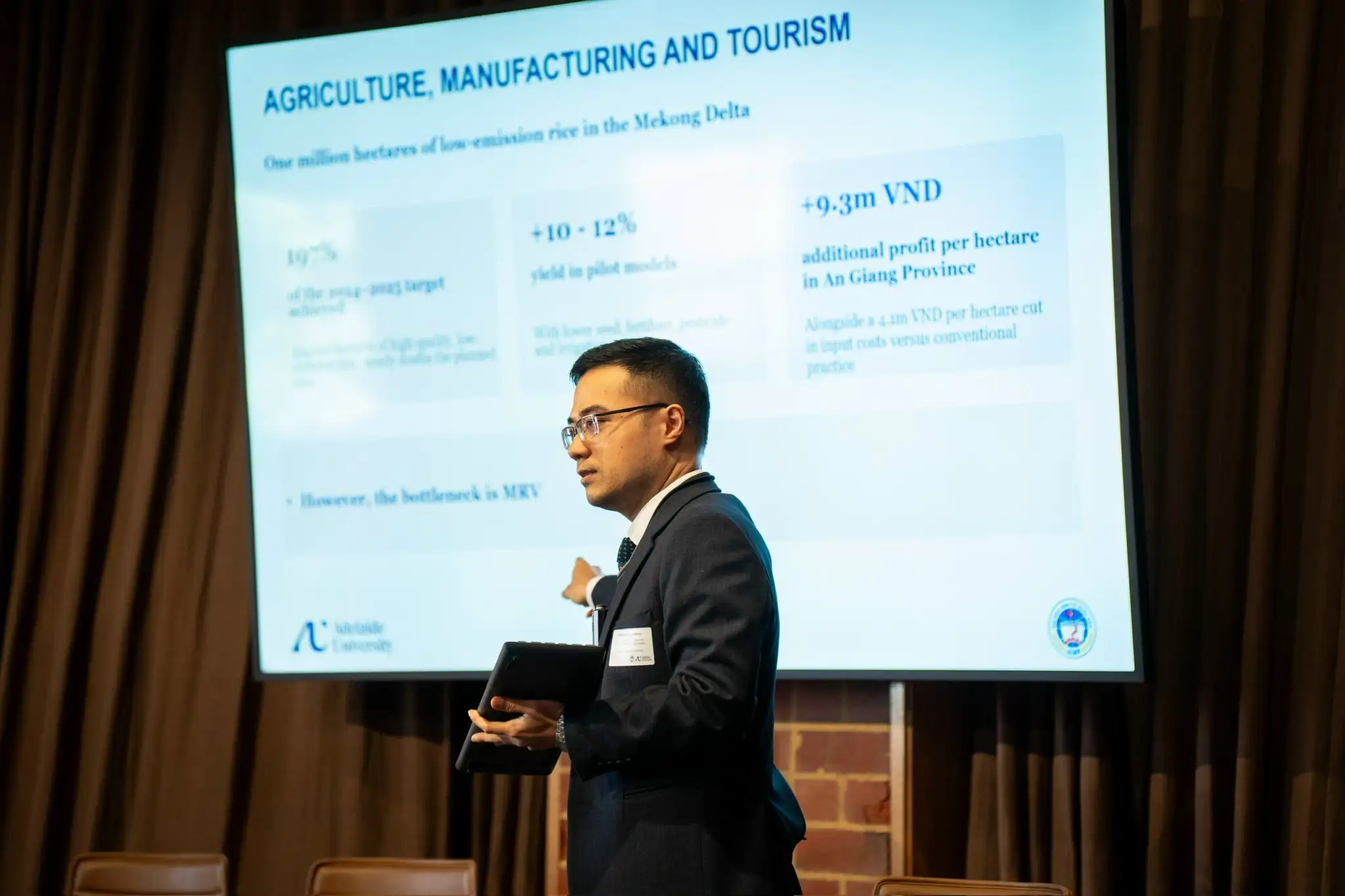
Dr. Nguyen Hoang Nam – National Economics University presents on sustainable transformation in emerging economies from Vietnam’s realities
From Pilot Models to Large-Scale Change
Two presentations set the stage for the discussion session “Why Sustainable Transformation is Difficult to Scale: Lessons from Developed and Emerging Economies,” chaired by Prof. Andy Lowe, Director of the Environment Institute, School of Sciences, University of Adelaide.
The speakers participating in the exchange included Prof. Greg Metha from the Institute of Physics, Chemistry and Earth Sciences, School of Sciences; Assoc. Prof. Sukhbir Sandhu, Director of CweX, Institute of Management, Business and Law School, University of Adelaide; along with Assoc. Prof. Dr. Dinh Duc Truong, Head of Faculty, and Dr. Nguyen Hoang Nam, lecturer at the Faculty of Environment, Climate Change and Urban Studies, School of Economics and Public Management, National Economics University.
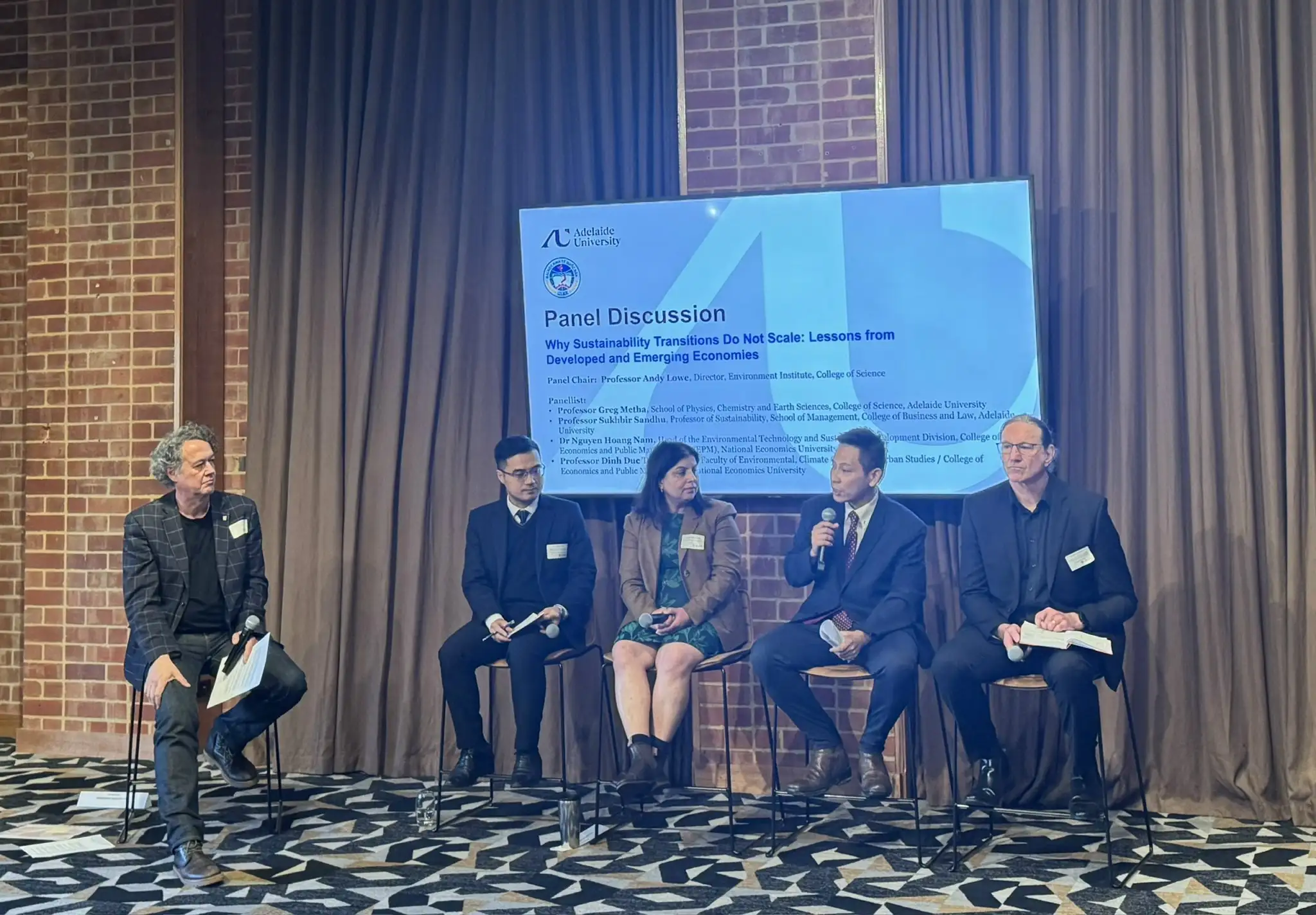
Scientists from the National Economics University and the University of Adelaide discuss barriers to scaling sustainable transformation initiatives
The overarching question throughout the session was: why do many sustainable policies, technologies, and models prove effective on a certain scale yet remain challenging to scale up to create systemic change?
The opinions suggest that the answer lies not only in technology or policy but also in institutions, finance, organizational capacity, stakeholder behavior, and local conditions. From Vietnam’s practical experience, the differences in resources and implementation capacity between localities and business groups indicate that to extend effective initiatives beyond pilot scale, it is necessary to simultaneously improve execution capacity, financial mechanisms, and stakeholder participation.
The discussion session also raised an important issue for universities: how to ensure that knowledge and research outcomes extend beyond academic publications, thereby making more practical contributions to policy-making, innovation, business operations, and community activities.
Differences in Context, Similarities in Major Questions
From a global perspective on energy transition to the implementation challenges in Vietnam, the exchanges at the conference demonstrated that sustainable transformation is always closely tied to the developmental context of each country. The differences in development levels, economic structures, and institutional conditions between Vietnam and Australia provide opportunities to view the same transformation process from different perspectives.
From there, many topics for comparative research between Vietnam and Australia are suggested, such as energy transition, green finance, carbon markets, circular economy, sustainable urban development, and environmental policy. In the exchange session, Assoc. Prof. Dr. Dinh Duc Truong also mentioned the opportunity for scientists from both universities to jointly research institutional, policy, and incentive mechanisms, thereby creating academic value while contributing to policy formulation and implementation.
Besides research, the exchanges also opened up possibilities in training and academic exchanges related to the environment, climate change, and sustainable development. In discussions on long-term orientations, the proposal for a Green Transition Alliance was also mentioned as an idea that both universities are continuing to explore and discuss.
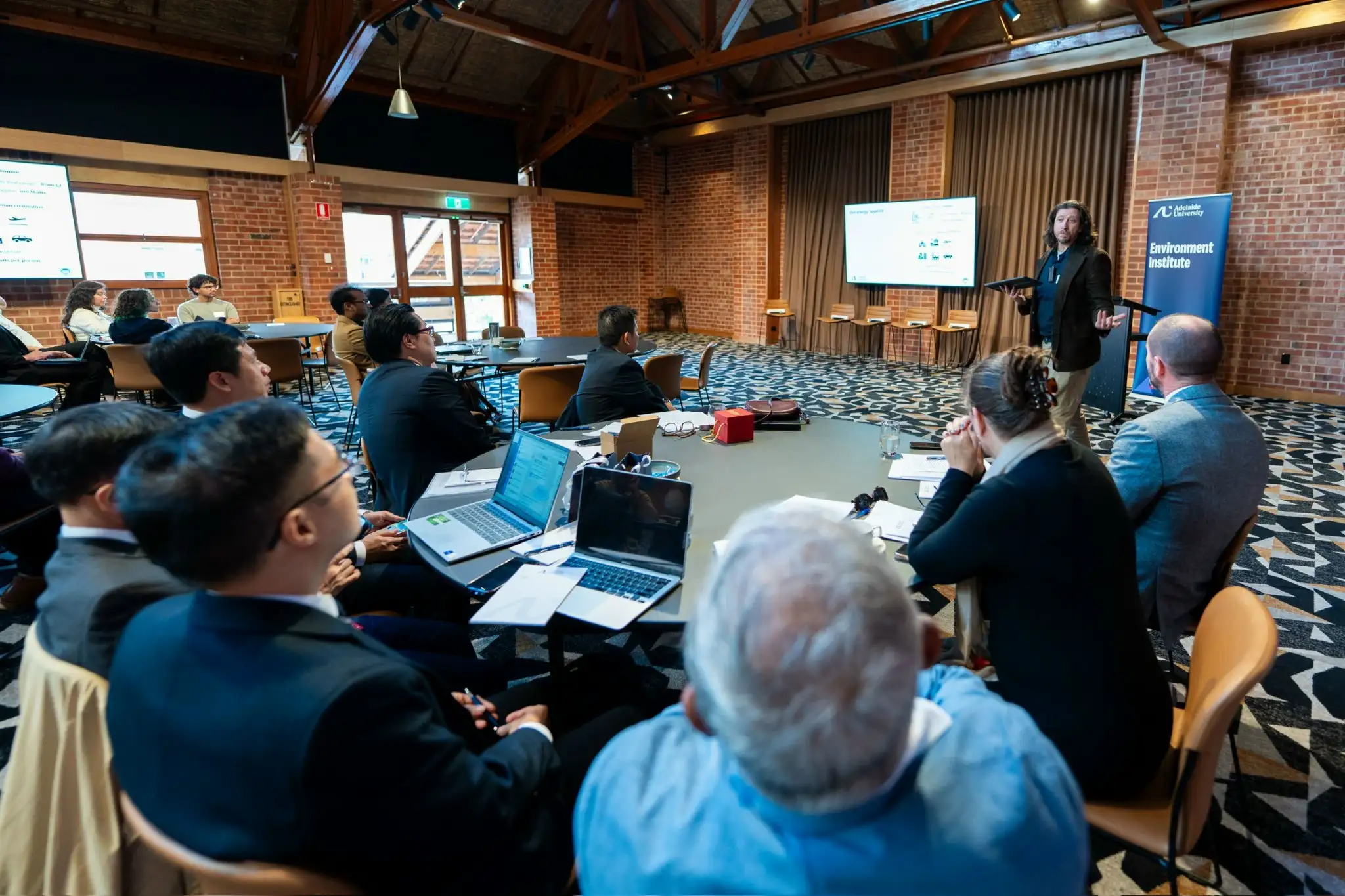
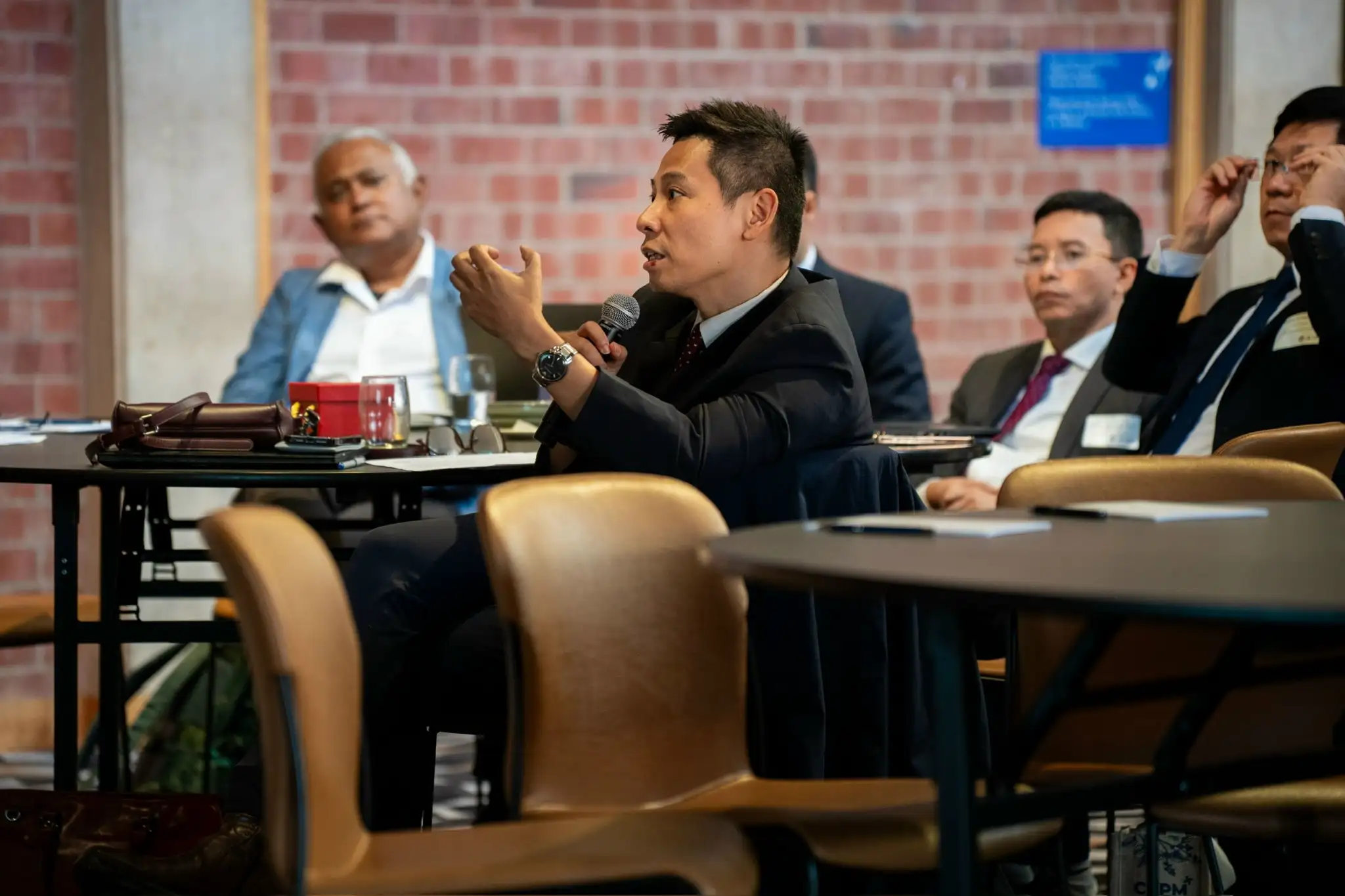
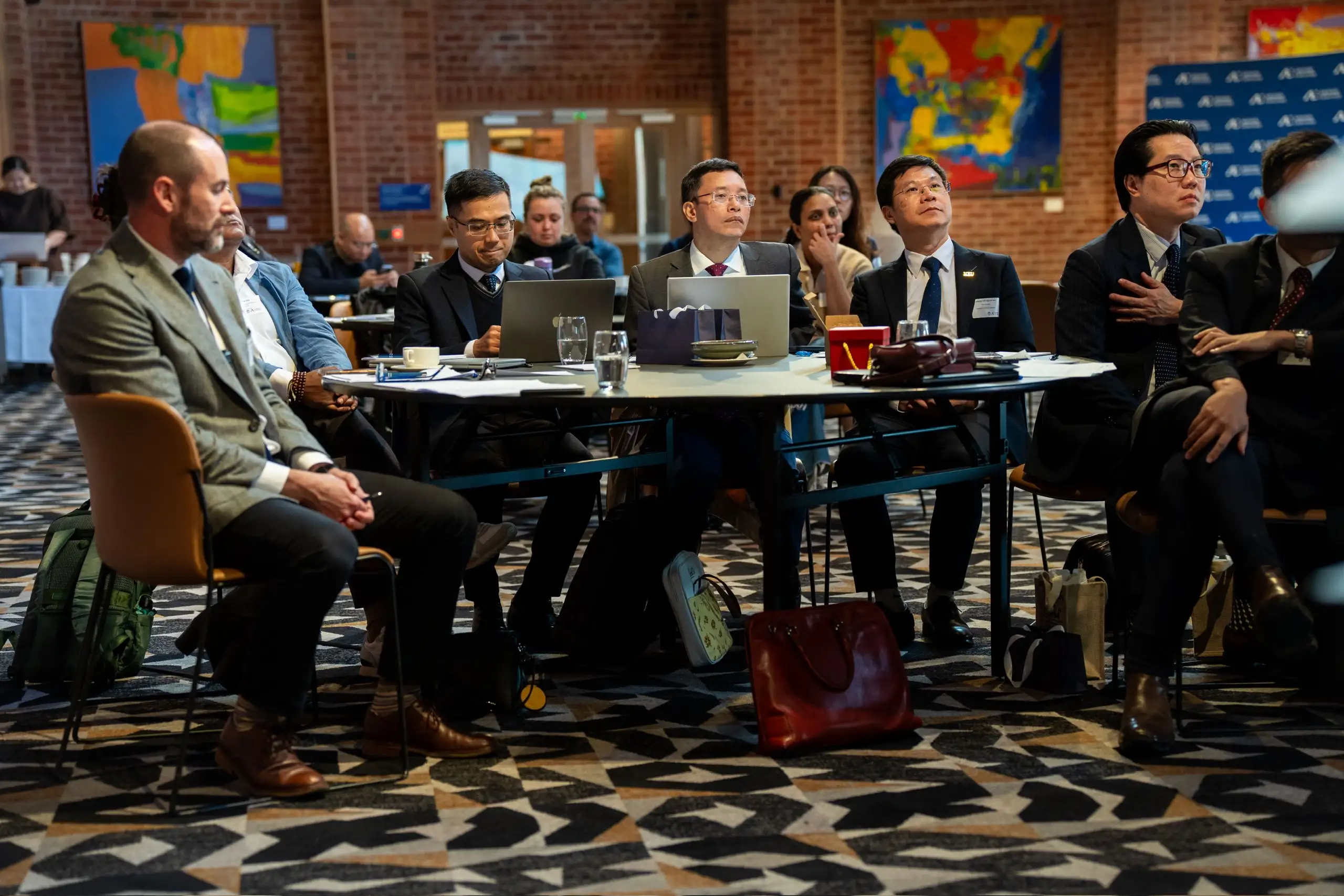
Delegates and scientists from the National Economics University and the University of Adelaide participate in discussions at the “Sustainable Transformation: Global Trends and Future Challenges” Conference
From the differences in the developmental contexts of Vietnam and Australia, the conference highlighted many common questions: how to bridge the gap from policy to implementation, bring effective initiatives from pilot scale to systemic change, and transform academic knowledge into practical impact. These questions also open up research and academic exchange directions between scientists from the National Economics University and the University of Adelaide, aiming for suitable solutions for green transition and sustainable development.
Article and Photos: International Collaboration Department, Academic Research Management Department, and Communications Department



