
Vietnamfinance.vn: Interest Rate Hikes Have a Very Adverse Impact on Businesses
01/07/2024 2024-07-01 18:06Vietnamfinance.vn: Interest Rate Hikes Have a Very Adverse Impact on Businesses
Vietnamfinance.vn: Interest Rate Hikes Have a Very Adverse Impact on Businesses


Assoc. Prof. Dr. Pham The Anh commented that, given most Vietnamese businesses’ “addiction” to bank loans, the credit growth cap had already created enormous difficulties for investment, production, and business operations. The recent interest rate hike was like another “follow-up punch,” leaving the business community struggling even more.
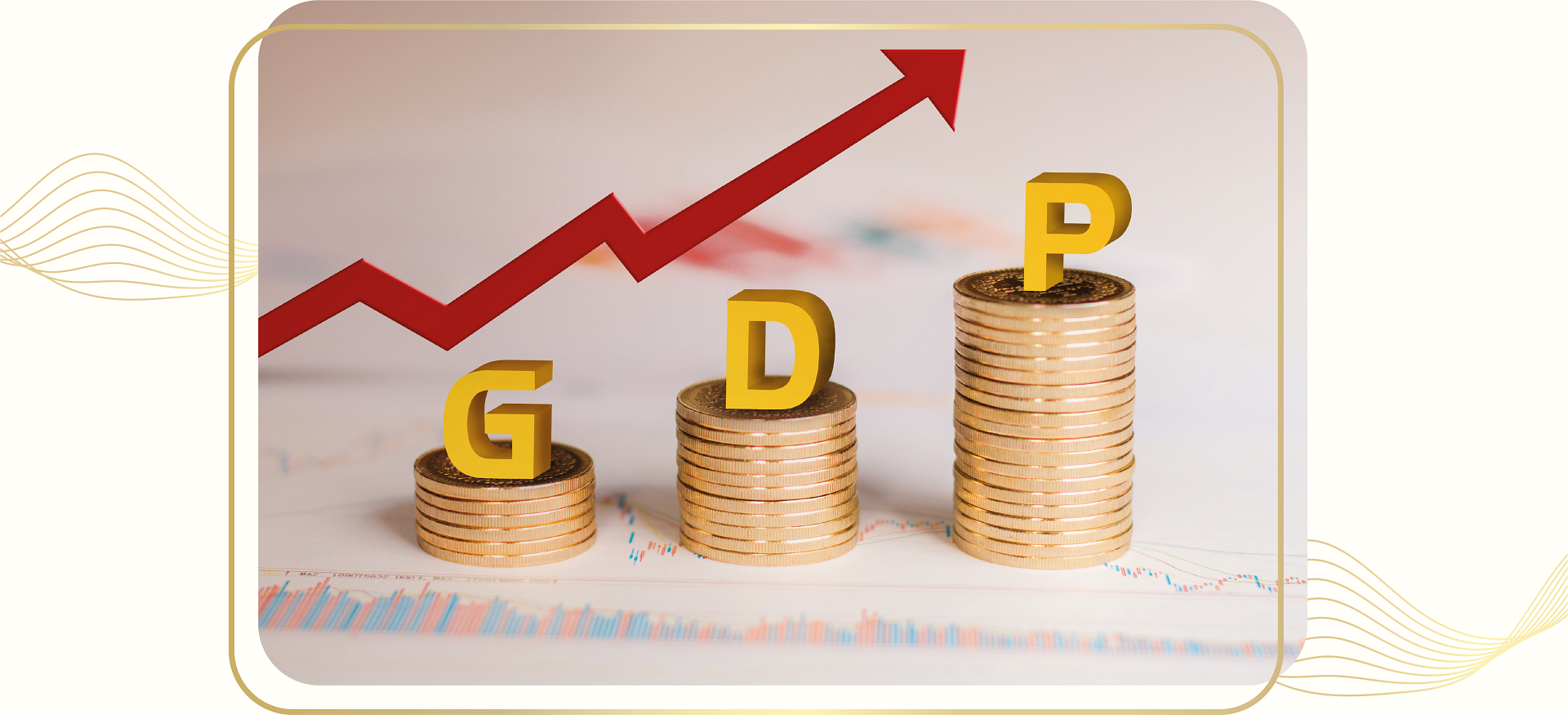
The General Statistics Office recently released its report on the socioeconomic situation in the third quarter and the first nine months of 2022, with positive figures: third-quarter GDP grew by 13.67%, while GDP for the first nine months rose by 8.83%, both record highs for the past decade. However, this is almost the last major cause for celebration this year, as the fourth quarter is forecast to be fraught with difficulties and challenges, limiting policy room for maneuver and significantly affecting growth.
But there is no need to wait until the end of the fourth quarter to recognize this. Even in the growth picture for the first nine months, the seeds of difficulty have already emerged—just as a falling parasol tree leaf tells everyone that autumn is approaching.
To shed more light on these issues, Financial Investment Magazine spoke with Assoc. Prof. Dr. Pham The Anh, Head of the Macroeconomics Division, National Economics University (NEU):

The results for the third quarter and the first nine months were very positive, but they also reveal a significant slowdown in growth drivers. Could you analyze this in greater depth?
First, regarding the figures, GDP growth of 13.76% in the third quarter of 2022 reflects comparison with the low base in the same period last year. In the third quarter last year, GDP contracted by 6.17%. Thus, GDP in the third quarter of 2022 would actually have grown by only just over 7% had the economy not contracted last year. Of course, this figure still indicates a positive economic recovery. But this alone is not enough to ensure a bright future, because a closer look reveals that the growth drivers face substantial problems and risks.
First is exports. We currently face the risk of slowing export growth because Vietnam’s most important trading partners, such as the United States, the EU, and the United Kingdom, are mired in difficulties. Record-high inflation has forced their central banks to tighten monetary policy, weakening their consumer and import demand. In Vietnam, notable recent news includes shortages of orders across many sectors, such as textiles and garments, and workers struggling to find jobs in industrial parks. These are all signs that exports will decline in the period ahead. Businesses will begin to “feel the blow” in the fourth quarter of this year, and the effects will last into the first quarter of next year.
Second is investment. Public investment disbursement in absolute terms in the first nine months of this year increased substantially compared with last year (up 16.3%), but still fell short of the plan. Meanwhile, private investment is being seriously affected following a series of events that shook the financial community, including the cases involving Tan Hoang Minh, FLC, and Van Thinh Phat. Although Decree 65 has been issued, businesses still face great difficulty raising capital through bonds, investors are pessimistic, and businesses having to redeem bonds early is also relatively common. Anxiety pervades the stock market, and the Vn-Index has been driven down sharply, at one point breaking below 1,000 points—returning to its level of 16 years ago—making it even harder for businesses to raise capital through equities. Businesses still struggle to access credit because the State Bank of Vietnam has firmly maintained the credit growth cap at 14% and, in late September, officially raised policy interest rates by 1 percentage point, marking the start of a wave of interest rate hikes by commercial banks.

As for foreign investment, although rising disbursed capital is a positive sign, the decline in newly registered capital is worrying, indicating that foreign investors are slowing down and hesitating to invest in Vietnam.
The third driver, consumption, is not particularly strong either. Following a surge in the early months of the year driven by post-Covid-19 “revenge spending,” consumption has now returned to normal and is even somewhat weaker than before.
Thus, exports, investment, and consumption are all sending negative signals, pointing to slower growth in the fourth quarter of 2022 and even next year.

One issue attracting considerable attention among economists today is rising interest rates and exchange rate stability. What are your comments on the consequences of interest rate hikes and currency depreciation, and on the State Bank of Vietnam’s management of this issue?

In essence, Vietnam pegs its currency to the U.S. dollar, even though the State Bank of Vietnam announced a new management approach back in 2016. Recently, the U.S. dollar has appreciated sharply as the U.S. Federal Reserve (Fed) has repeatedly raised interest rates to combat inflation. With the Vietnamese dong pegged to the U.S. dollar, it has appreciated against other currencies while depreciating against the dollar. Since the beginning of the year, the dong has depreciated by 5%–6% against the U.S. dollar.
Pursuing an exchange rate peg has certain limitations. For example, the State Bank of Vietnam must honor its commitments regarding the value of the domestic currency. If the dong depreciates sharply, the State Bank of Vietnam must sell foreign currency to stabilize the exchange rate; if foreign currency sales cannot maintain stability, it must raise interest rates. The peg also causes Vietnam to lose monetary policy independence in pursuing other objectives and transmits policy shocks from the United States more strongly to the domestic economy.
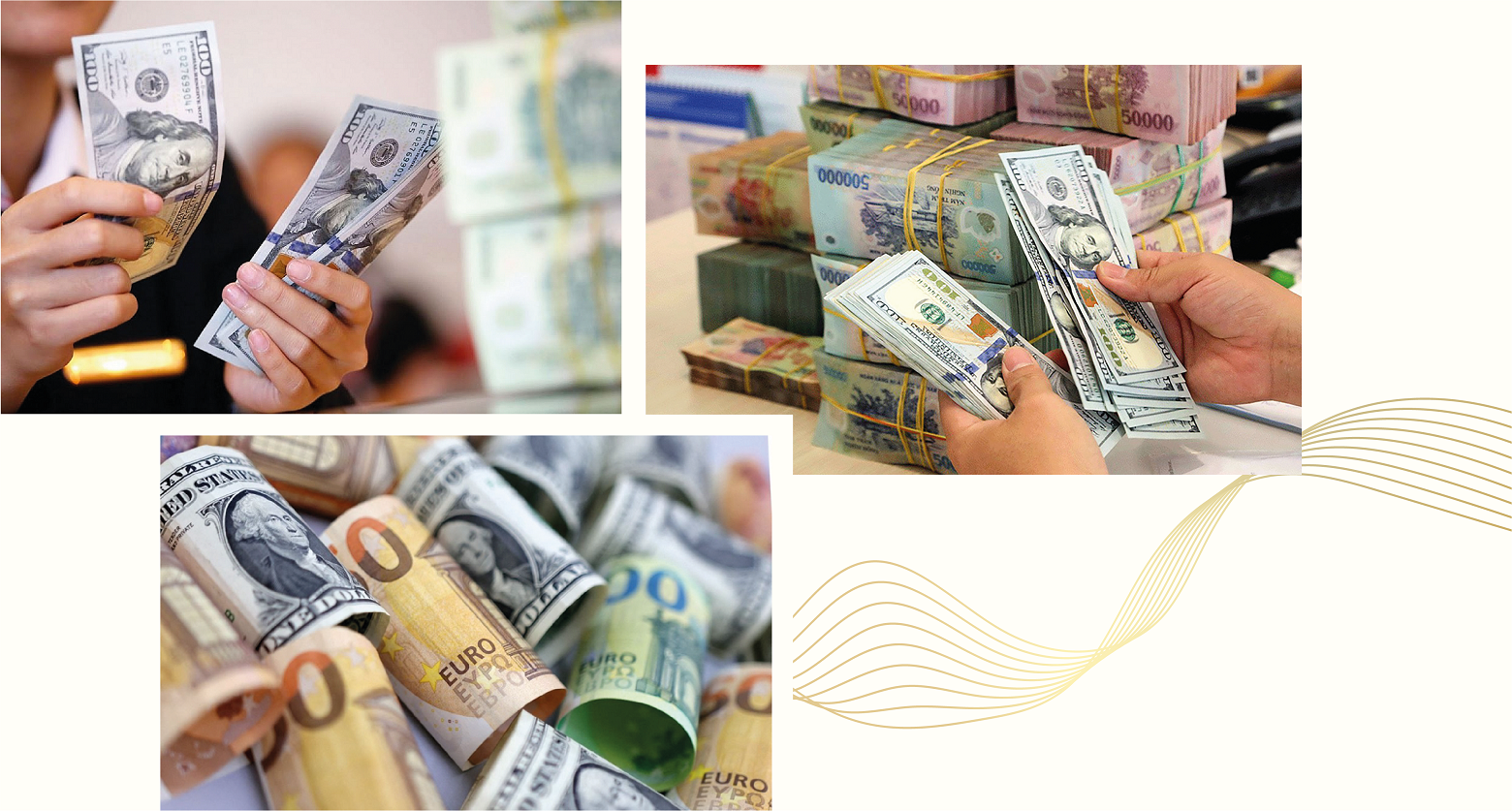
Recently, the State Bank of Vietnam had to sell a large volume of U.S. dollars, sharply reducing foreign exchange reserves as the foreign currency supply rapidly shifted from surplus to being drawn down. Part of the reason is that individuals and businesses expect the U.S. dollar to continue appreciating and have rushed to hoard it. Moreover, individuals have taken advantage of the existence of two exchange rates to buy U.S. dollars from banks and sell them on the informal market (the black market). This has greatly weakened the State Bank of Vietnam’s ability to honor its exchange rate commitments.
After unsuccessful efforts to sell U.S. dollars to defend the exchange rate, the State Bank of Vietnam had to use the interest rate tool. On September 23, policy interest rates officially increased by 1 percentage point—a very strong response conveying a very clear message about the State Bank of Vietnam’s determination to defend the exchange rate. But this move also has a major impact on many businesses in Vietnam’s economy. Vietnamese businesses are characteristically “addicted” to credit. Access to capital is already difficult, and higher interest rates multiply those difficulties many times over. This is a very painful blow to businesses.

Thus, the exchange rate peg clearly has many drawbacks. Previously, Vietnam maintained a peg in the hope of limiting imported inflation (or exchange rate pass-through to domestic prices). However, experience shows that a peg does not necessarily curb inflation. During 2007–2011, Vietnam also maintained a peg, yet it could not contain inflation. Inflation was caused by an excessively high money supply and severe fiscal and trade deficits. Therefore, fundamentally, combating inflation requires controlling the money supply and reducing deficits.

So how should Vietnam change?
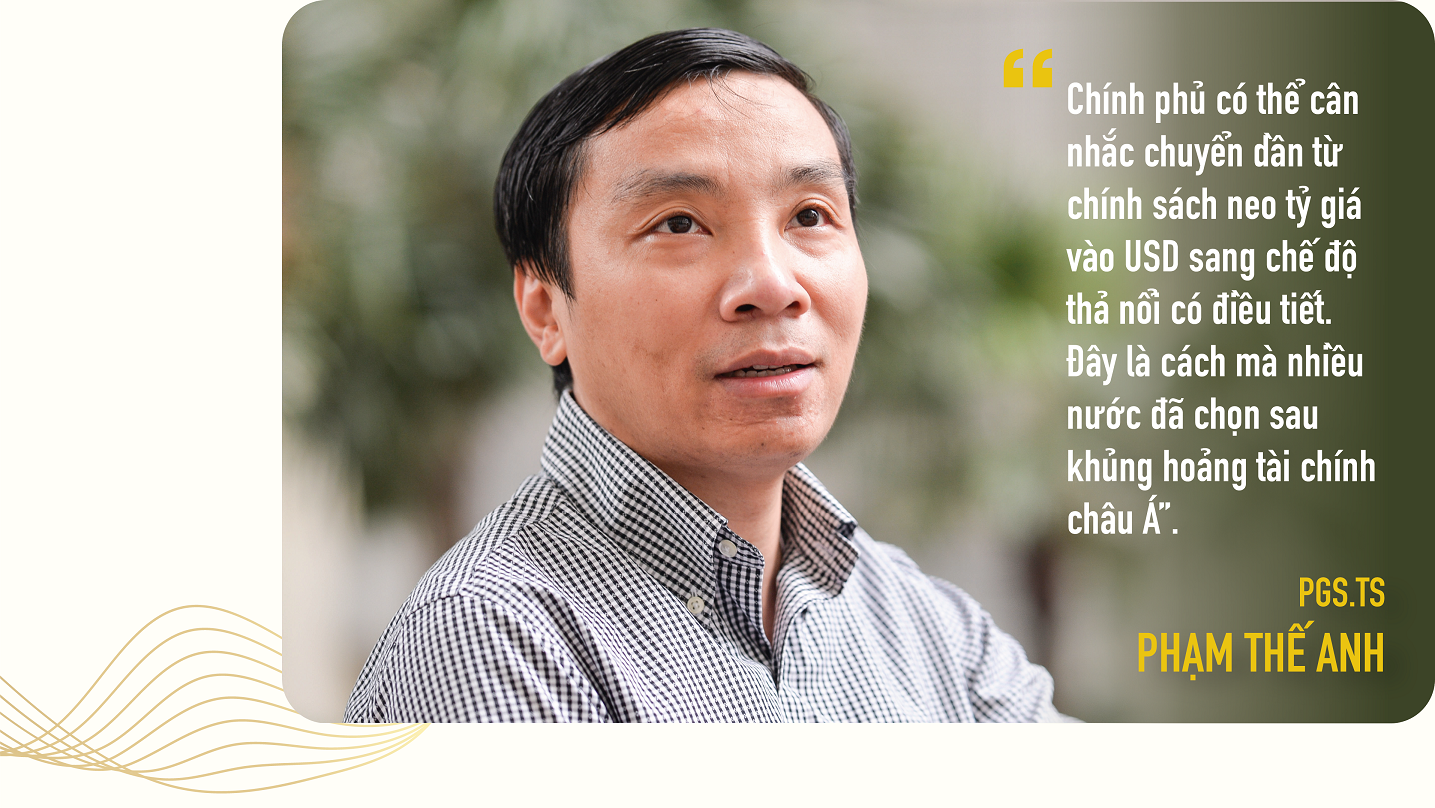
I believe the Government could consider gradually shifting from a U.S. dollar peg to a managed floating exchange rate regime. This is the approach many countries chose after the Asian financial crisis. Under this approach, the central bank does not announce a central exchange rate. The market determines the exchange rate through supply and demand. The central bank manages it by buying and selling foreign currency and injecting and withdrawing money. This exchange rate policy would help limit foreign currency speculation.
Currently, faced with U.S. dollar appreciation, the State Bank of Vietnam adjusts the exchange rate gradually. But these gradual adjustments have fostered expectations among individuals and businesses that holding U.S. dollars will be profitable. Consequently, they hoard dollars and no longer sell them back to banks. The widening spread between foreign currency buying and selling rates also causes losses for businesses when they sell U.S. dollars to banks. Thus, at some point, the State Bank of Vietnam will be forced either to sharply devalue the currency or to raise interest rates. Both options adversely affect the economy.
There are also concerns that a managed float could cause more severe exchange rate fluctuations. However, the State Bank of Vietnam has tools to manage volatility rather than allowing a completely free float. In advanced economies, foreign exchange markets develop instruments for hedging exchange rate risk. Vietnam’s financial and banking system has not developed such instruments, so exchange rate adjustments have a very substantial impact.
I also believe it is time to recognize foreign exchange as an asset market and allow individuals to hold foreign currency as a store of wealth. This differs from the current situation, in which foreign exchange transactions take place only within the banking system and among import-export businesses, while individuals seeking to accumulate foreign currency must buy it on the informal market. If we allow a foreign exchange derivatives market to operate, these derivatives could be traded like other securities products. Derivatives would help the parties reduce exchange rate risks. Trading derivatives instead of actual U.S. dollars would minimize the impact on the State Bank of Vietnam’s reserves.
Given these assessments, how do you expect interest rates and exchange rates to move in the fourth quarter of 2022?
As discussed above, I believe the State Bank of Vietnam’s recent interest rate hike was intended more to defend the exchange rate than to combat inflation, because inflation remained under control through the first nine months, not to mention that many prices had already passed their peaks.
In the coming period, the State Bank of Vietnam may have to raise interest rates if the Fed continues to increase rates sharply. However, I believe the next adjustment, if any, will be smaller than the recent one.

You once expressed hope that the Government would keep interest rates low during the first six months of the year to ensure the business community’s recovery after Covid-19. Now, nine months have passed, and interest rates are only beginning to rise. Surely this additional period of more than three months beyond your expectations has given you greater reassurance about the business community’s resilience?
I remain concerned about the health of businesses. Admittedly, their production, business and investment activities have improved considerably compared with last year and the early months of this year, but businesses are facing enormous difficulties accessing capital. We can see that the bond financing channel is virtually paralyzed, the stock financing channel is in crisis, and the credit channel is constrained by lending caps while interest rates are rising. Commercial banks are not particularly enthusiastic about providing interest rate subsidies and are even apprehensive about implementing them for fear of subsequent inspections and audits. Starved of capital, businesses will become less resilient. Unless this situation improves, the health of the business community will be a matter of grave concern.

What is your forecast for growth prospects in the fourth quarter?
I believe that if we manage the fourth quarter well and prevent financial market fluctuations from affecting the real economy too much, GDP could grow by 6%–7%, potentially bringing full-year GDP growth to 8%. However, the difficulties will begin to take their toll early next year. We could therefore say that we are seeing the last of the positive indicators.
Thank you for this interview!

This is an automated translation. If you notice any errors, please contact the Department of Communications, National Economics University at phongtruyenthong@neu.edu.vn.