
International Conference ICETAI 2026: Discussing Educational Transformation in the AI Era
28/08/2026 2026-10-20 10:05International Conference ICETAI 2026: Discussing Educational Transformation in the AI Era
International Conference ICETAI 2026: Discussing Educational Transformation in the AI Era
On the morning of August 28, at the National Economics University, the International Scientific Conference on Educational Technology and Artificial Intelligence – ICETAI 2026 officially commenced with the theme “Educational Transformation in the AI Era.”
The conference, hosted by the School of Technology, National Economics University, takes place over two days, August 28-29, with the participation of scientists, experts, and researchers from both domestic and international fields of educational technology and artificial intelligence.
Attending the conference, external delegates include: Dr. Nguyen Hoai Nam – Deputy Head of the Department of Technology Development and Digital Human Resources, Department of Science, Technology and Information, Ministry of Education and Training. International guests include: Prof. Hwang Wu-Yuin – Dean of the Faculty of Science and Engineering, National Dong Hwa University, Taiwan; Prof. Rustam Shadiev – Faculty of Education, Zhejiang University, China; Prof. Min-Te Sun – Head of the Department of Computer Science and Information Engineering, National Central University, Taiwan; along with many scientists from various countries and territories; representatives from partner enterprises: Sota Holdings Group (Sotatek), VTI Group, FSoft…
On behalf of the National Economics University: Prof. Dr. To Trung Thanh – Vice President of the University; Dr. Nguyen Quang Huy – Dean of the School of Technology; Dr. Pham Xuan Lam – Head of the Faculty of Information Technology; along with representatives of the leadership from Schools, Departments, Faculties, Institutes, Centers; scientists, faculty members, and students of the University.
Generative AI Opens Opportunities and Raises New Questions for Education
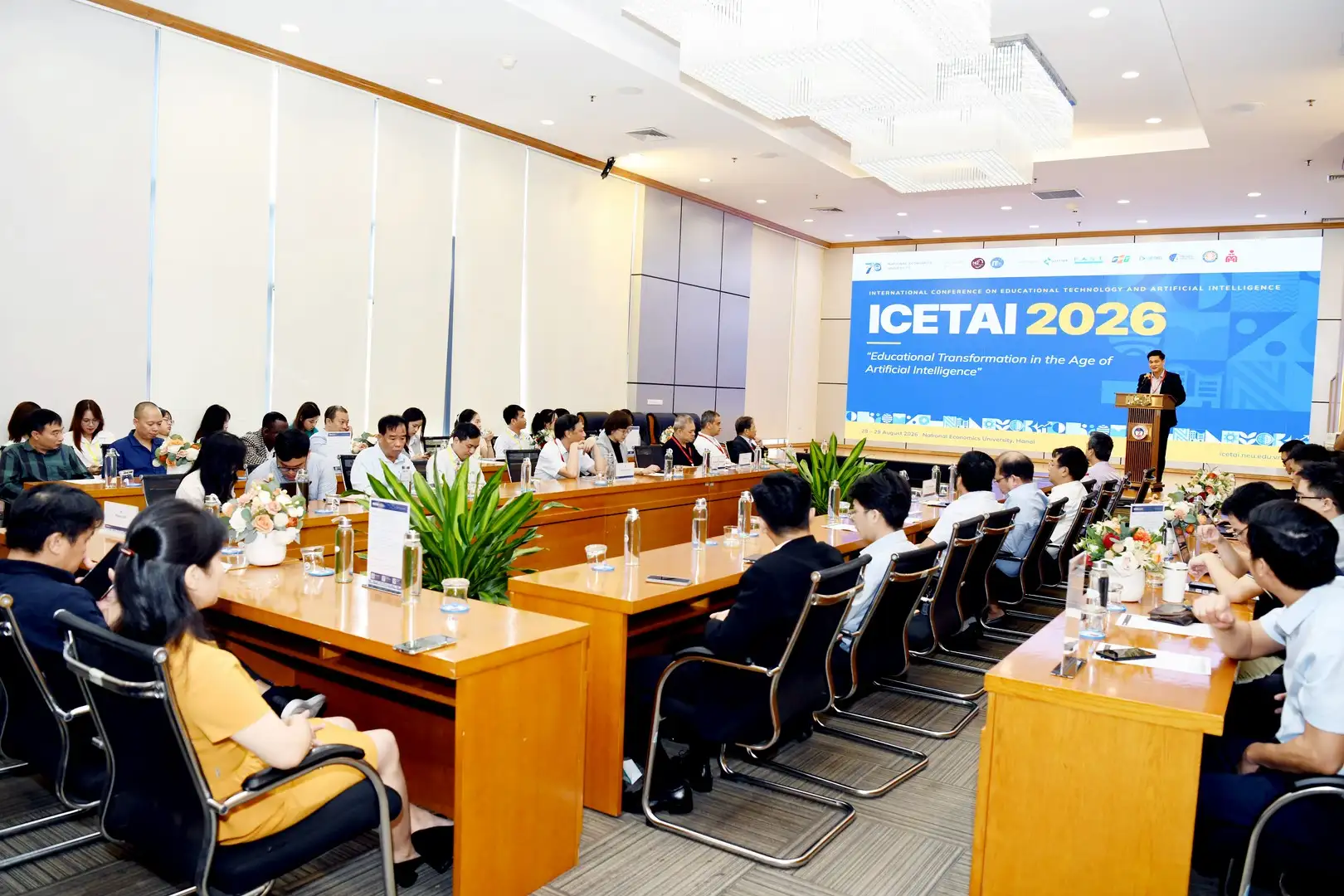
Overview of the Conference
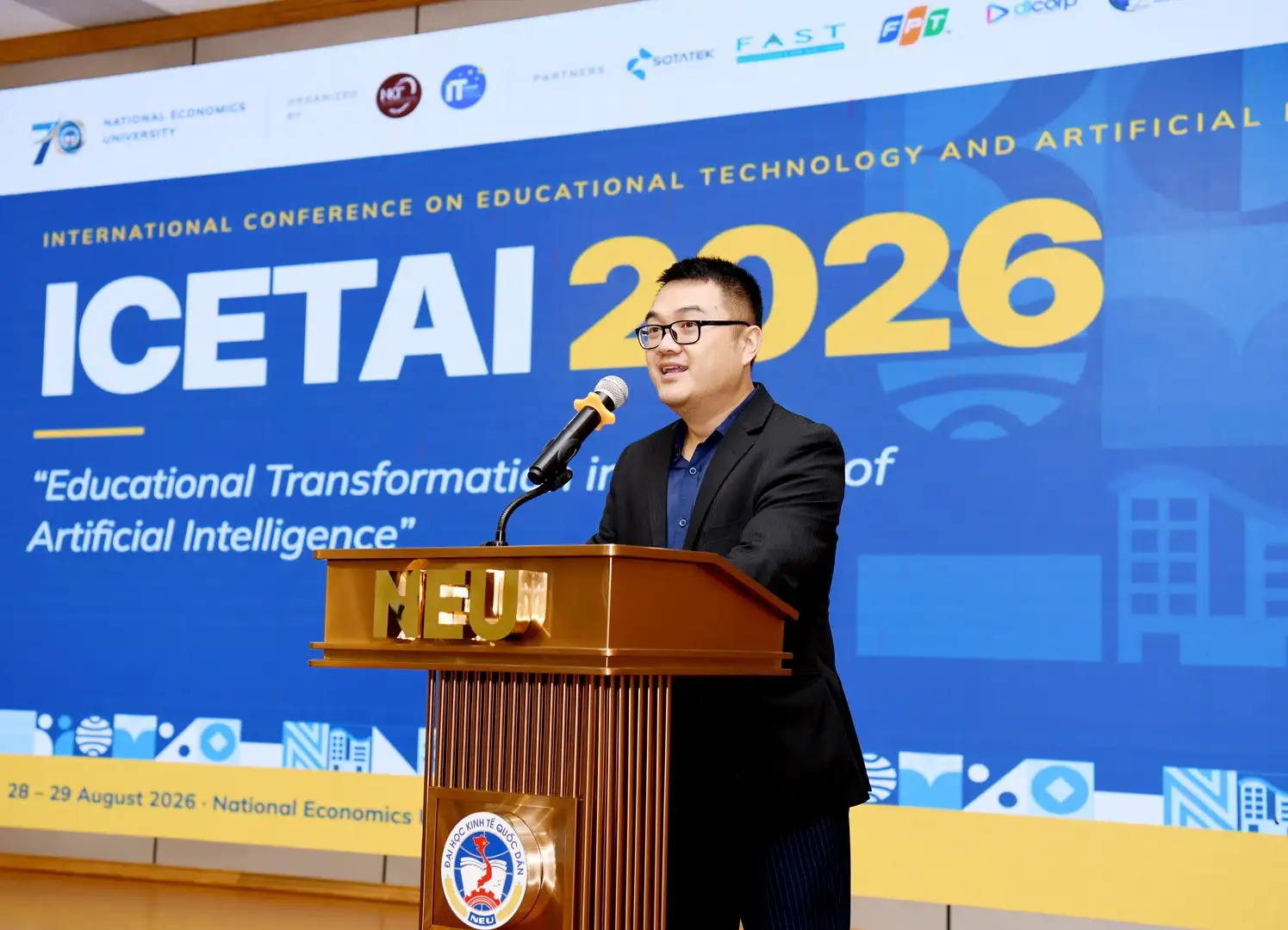
In his opening remarks, Prof. Dr. To Trung Thanh – Vice President of the National Economics University emphasized that generative AI is increasingly present in every classroom, offering unprecedented opportunities for personalized learning, while also posing significant questions about critical thinking, academic integrity, and the role of educators.
“In Vietnam, where science and technology, innovation, and digital transformation are strategic national breakthroughs, these questions become even more urgent,” shared Assoc. Prof. Dr. To Trung Thanh.
According to the Vice President of the National Economics University, in the context of profound changes brought about by technology impacting higher education, the National Economics University identifies technology and digital education as one of the pillars in its journey to become a multidisciplinary university.
Assoc. Prof. Dr. To Trung Thanh hopes the conference will provide a forum for scientists, experts, and stakeholders to exchange and discuss the changes AI is bringing to education, thereby opening up research directions and fostering new collaboration opportunities in the field of educational technology and artificial intelligence.
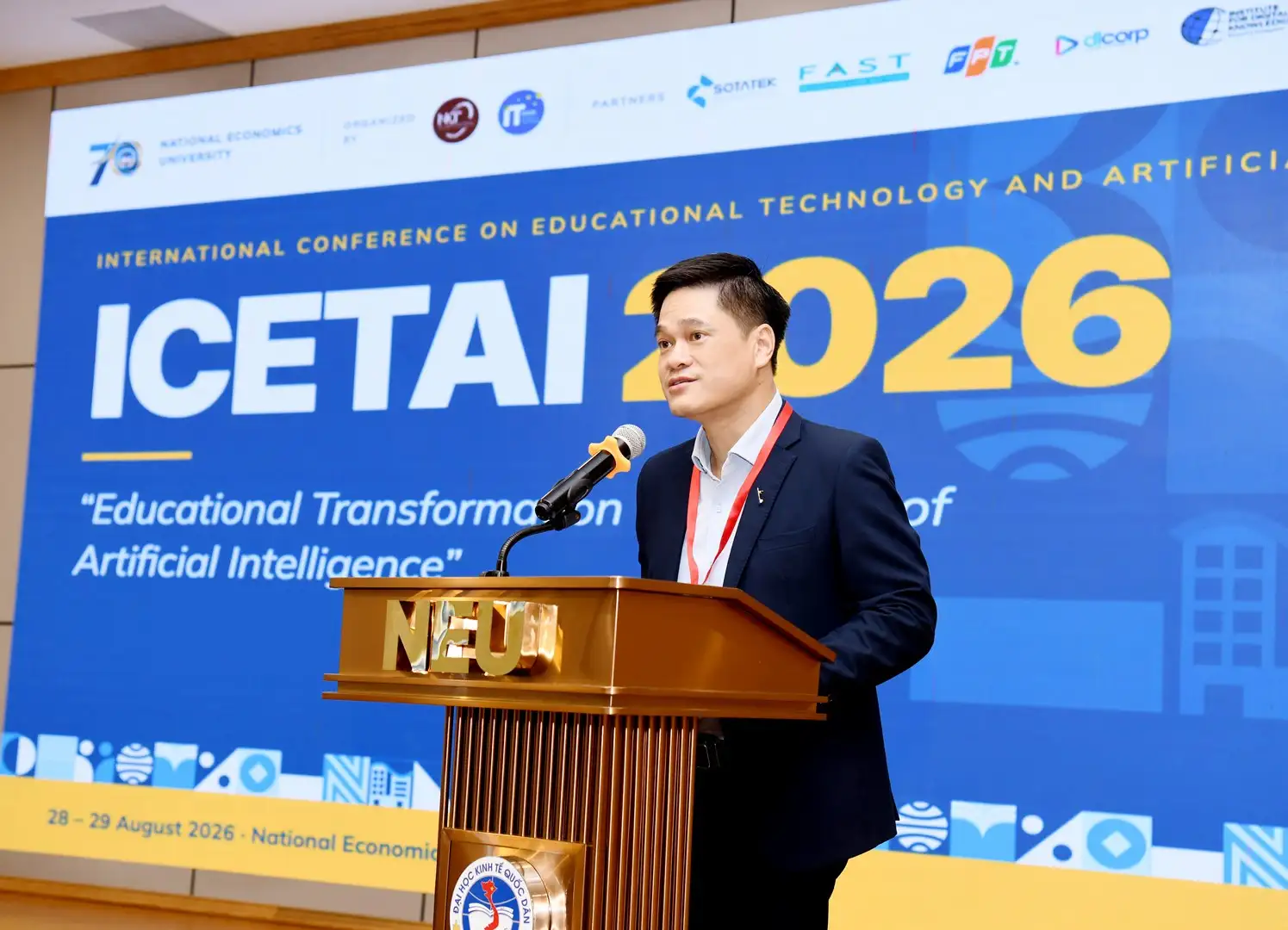
Assoc. Prof. Dr. To Trung Thanh – Vice President of the National Economics University delivering the opening speech at the conference
The ICETAI 2026 conference received 55 submissions from various countries and territories, including Vietnam, Taiwan, China, India, Japan, and Malaysia. Through an independent review process, 35 papers were accepted, achieving a 64% acceptance rate.
Among them, 20 outstanding reports were presented in three thematic sessions, including: “Generative AI and Technology-Enhanced Language Learning”; “AI-Enhanced Learning and Intelligent Educational Systems”; and “AI Systems, RAG, Agents and Intelligent Applications”. The conference proceedings were published by Springer.
According to the program, on the first working day, the conference featured two keynote presentations by Professor Rustam Shadiev and Professor Wu-Yuin Hwang, followed by an exhibition of educational technology products, poster displays, and parallel discussion sessions.
The Future of Education in the AI Era
In the first keynote presentation, Prof. Rustam Shadiev from the Faculty of Education, Zhejiang University, China, presented on the topic “Enhancing EFL Learning Across Familiar and Unfamiliar Contexts Through Mobile Learning and Generative AI”, focusing on improving the effectiveness of learning English as a foreign language in both familiar and unfamiliar contexts through mobile learning and generative AI.
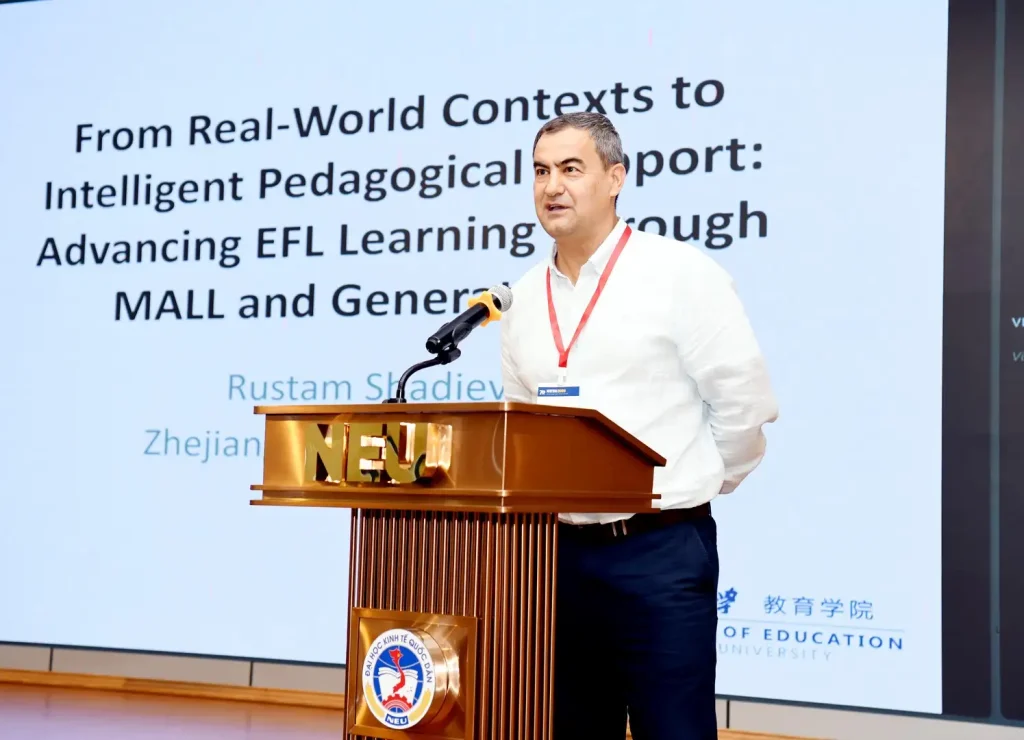
Prof. Rustam Shadiev from the Faculty of Education, Zhejiang University, China, presenting the keynote at ICETAI 2026
The research places language learning in real-world contexts, rather than being confined to the classroom, demonstrating the potential of mobile technology and generative AI in supporting learners to access information, practice language, and receive feedback tailored to each learning situation.
Continuing the discussions on the role of AI in education, Prof. Wu-Yuin Hwang presented the report “Eternality in Learning: A Three-Stage Conceptual Framework for the Evolution of Generative AI to Influence Human Learning: Smart Tools, Learning Partners, and Cognitive Clones”. The report introduces a three-stage conceptual framework on the development and impact of generative AI on human learning, from “Smart Tools”, “Learning Partners” to “Cognitive Clones.”
According to this approach, the role of AI is increasingly perceived as deeper in the learning process: from a tool assisting humans in performing tasks to a partner capable of interaction, feedback, and companionship in the acquisition and formation of knowledge.
The shift in the role of AI simultaneously imposes new demands on education. In this context, learners need to maintain an active role and the ability to master the learning process; educators continue to hold an important position in guiding, leading, and coordinating the use of AI to ensure that technology truly supports the development of learners’ knowledge and capabilities.
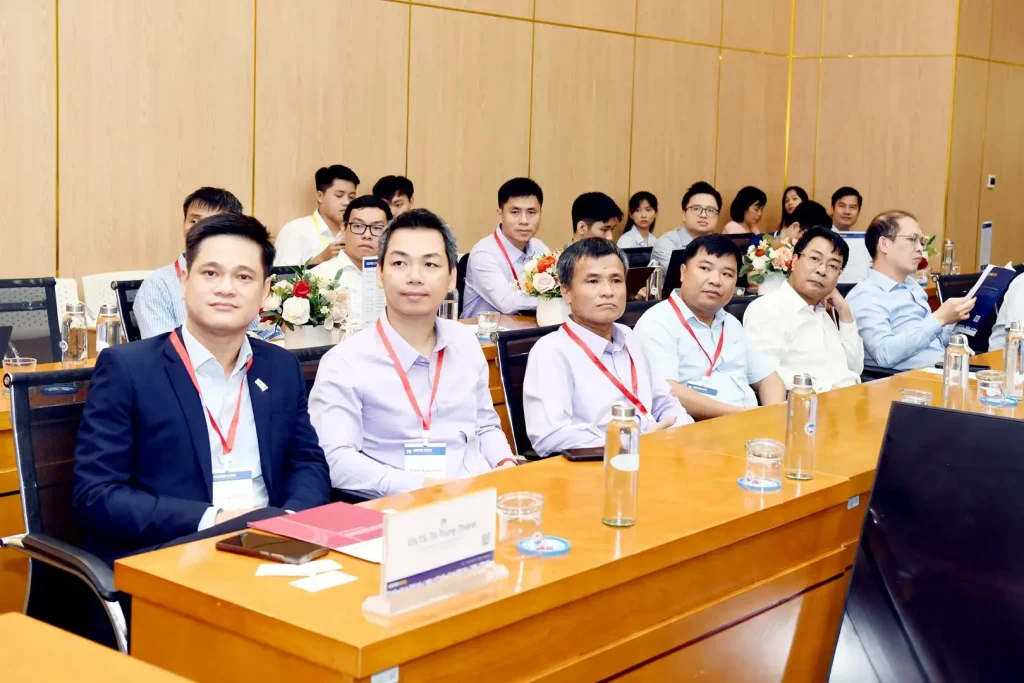
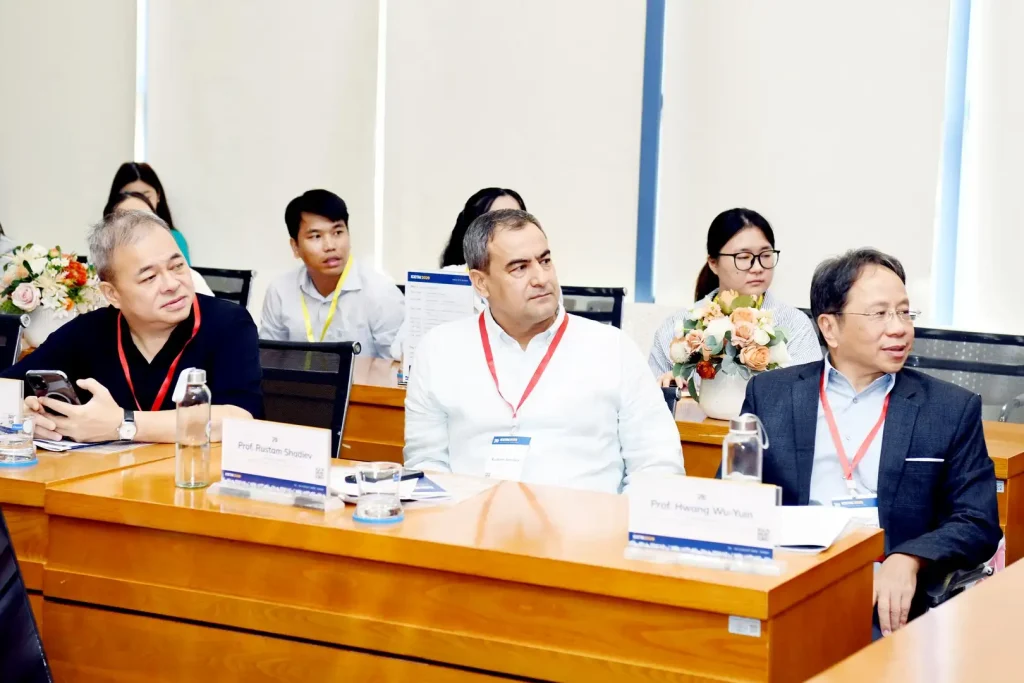
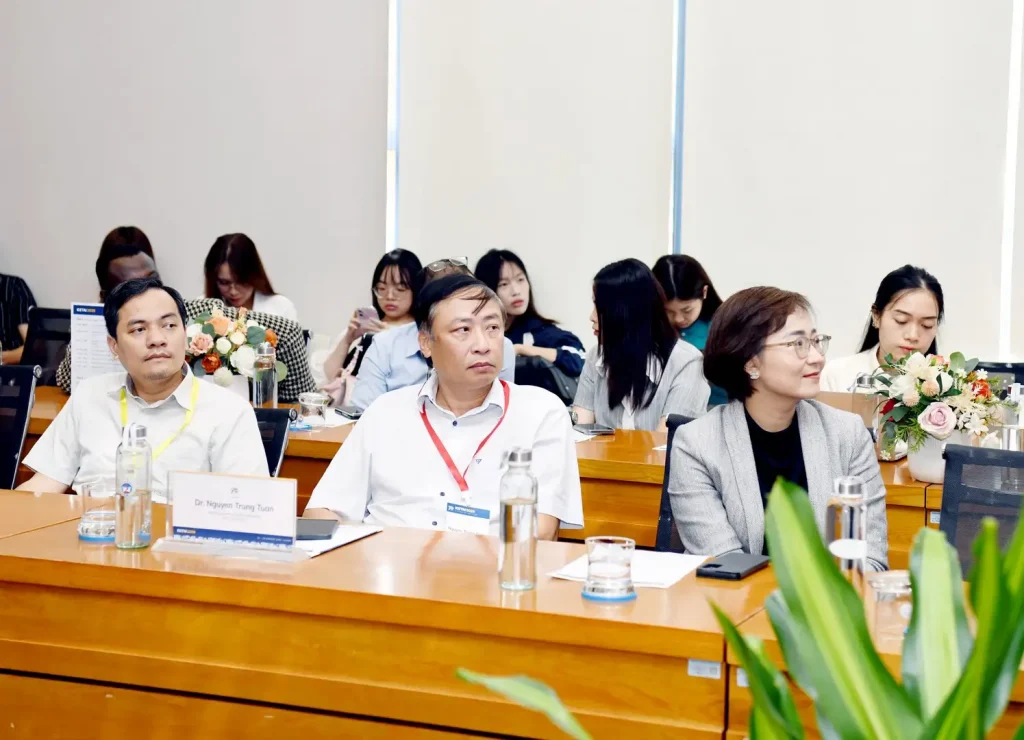
Delegates Attending the Conference
During the discussion sessions, scientists openly exchanged views on the opportunities and challenges posed by AI’s increasing involvement in teaching and learning activities. Besides the ability to support learners, create educational materials, personalize the education process, or build intelligent systems, opinions also highlighted the need for responsible use of AI, ensuring critical thinking, learners’ autonomy, and the guiding role of educators.
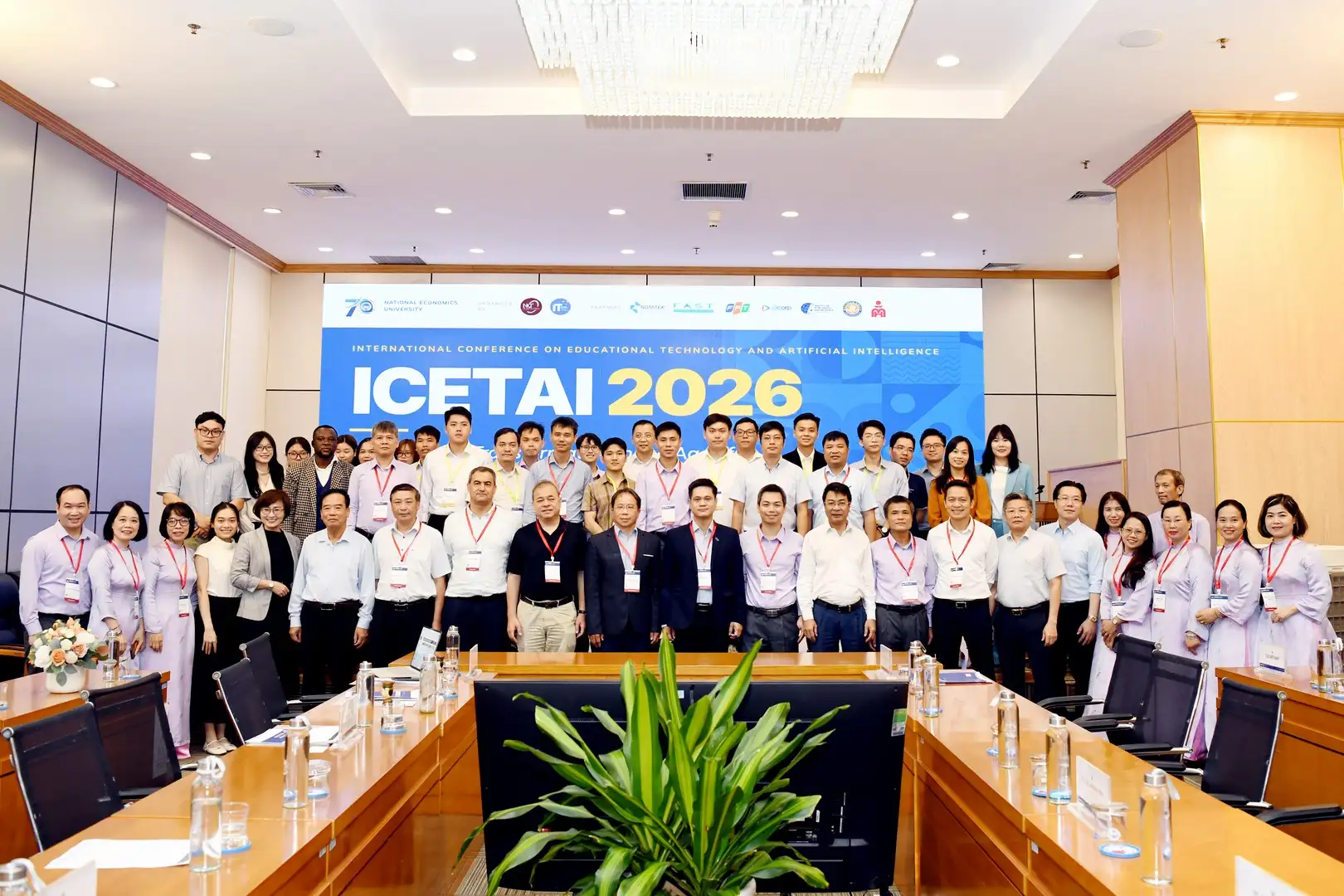
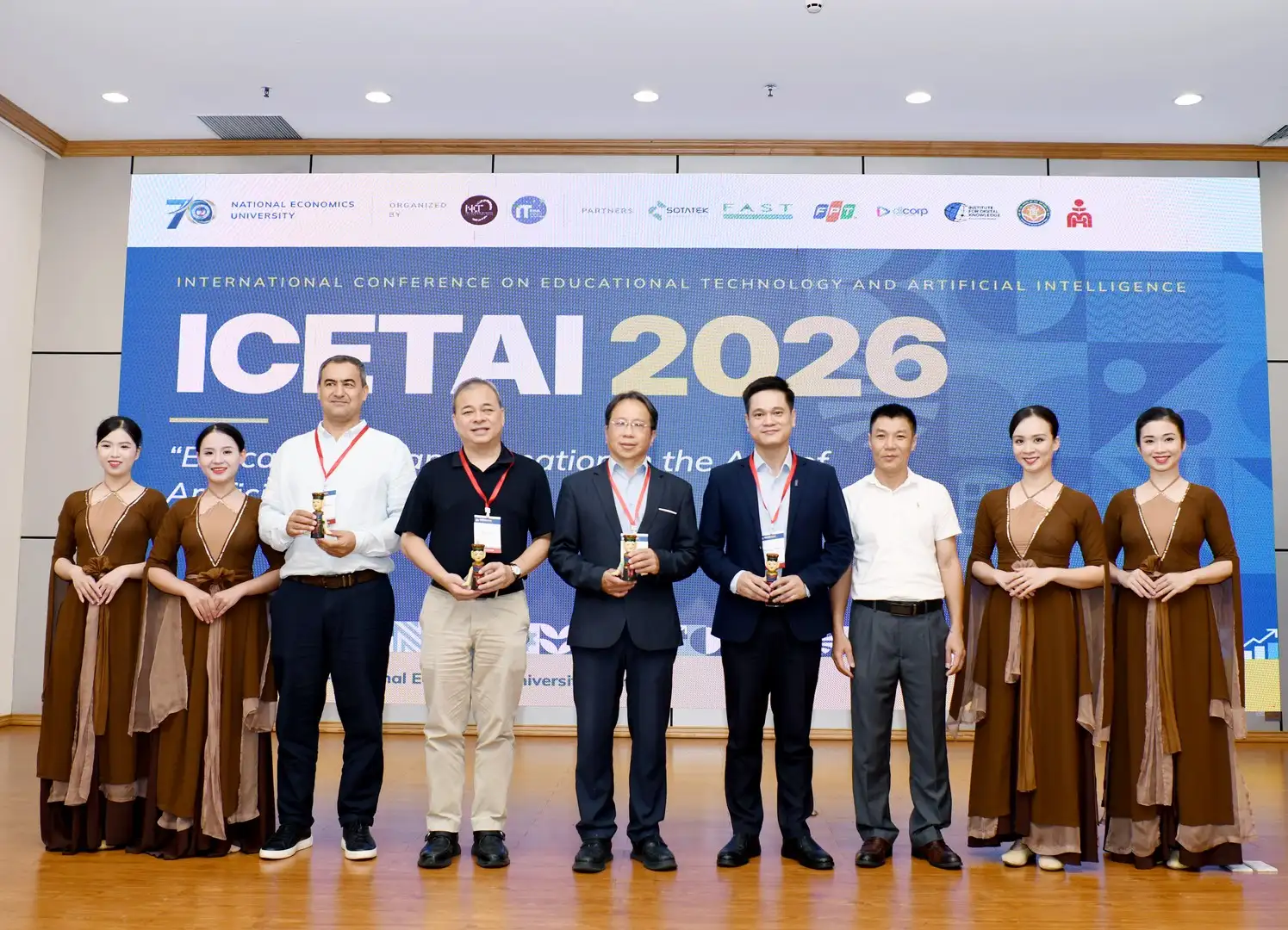
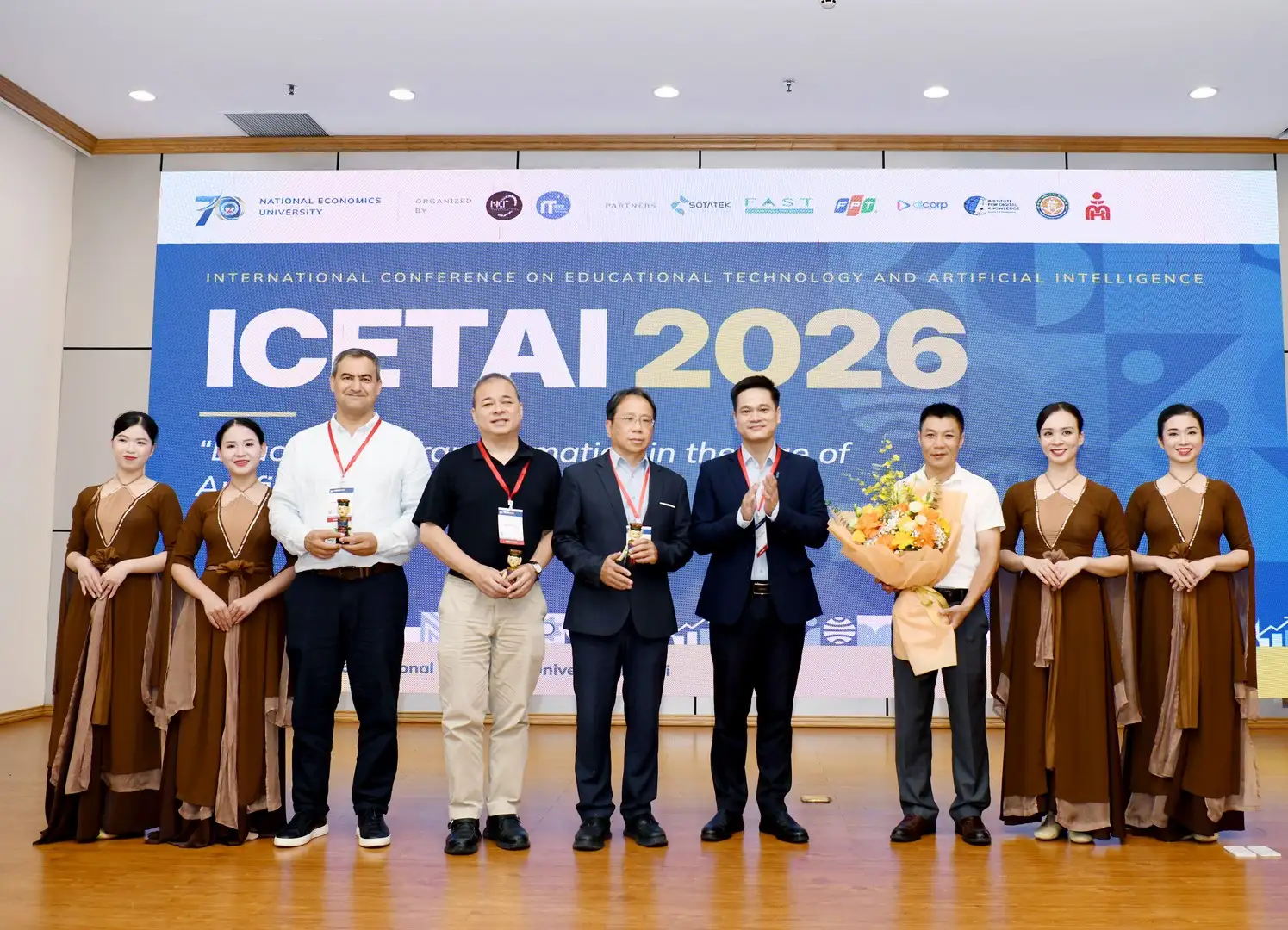
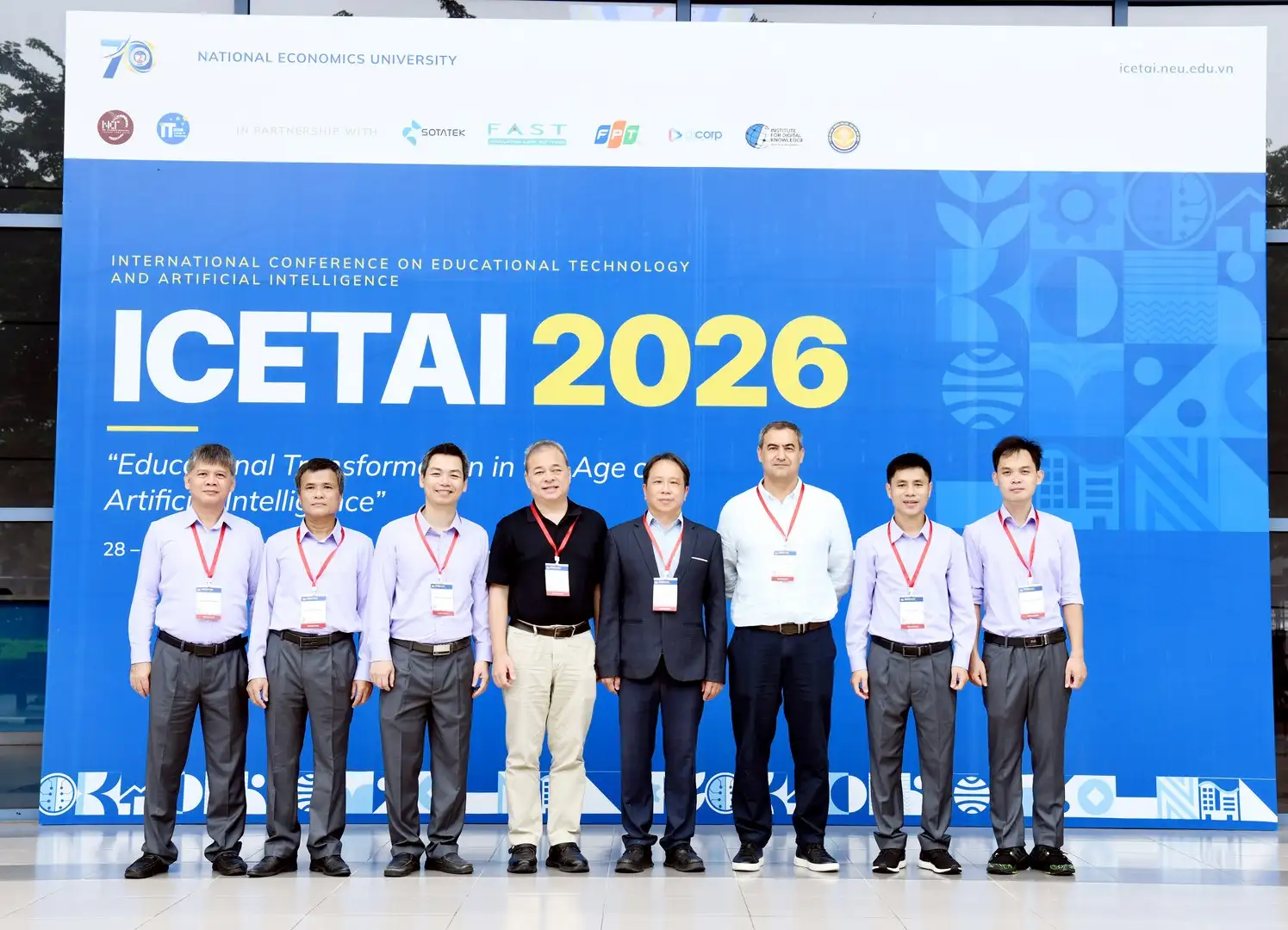
Delegates Taking Commemorative Photos
The open academic exchange atmosphere at the conference facilitated researchers in sharing new findings, practical experiences, and diverse perspectives on the educational transformation process in the context of rapidly developing AI, while also opening up connections and collaboration opportunities in the field of educational technology and artificial intelligence.
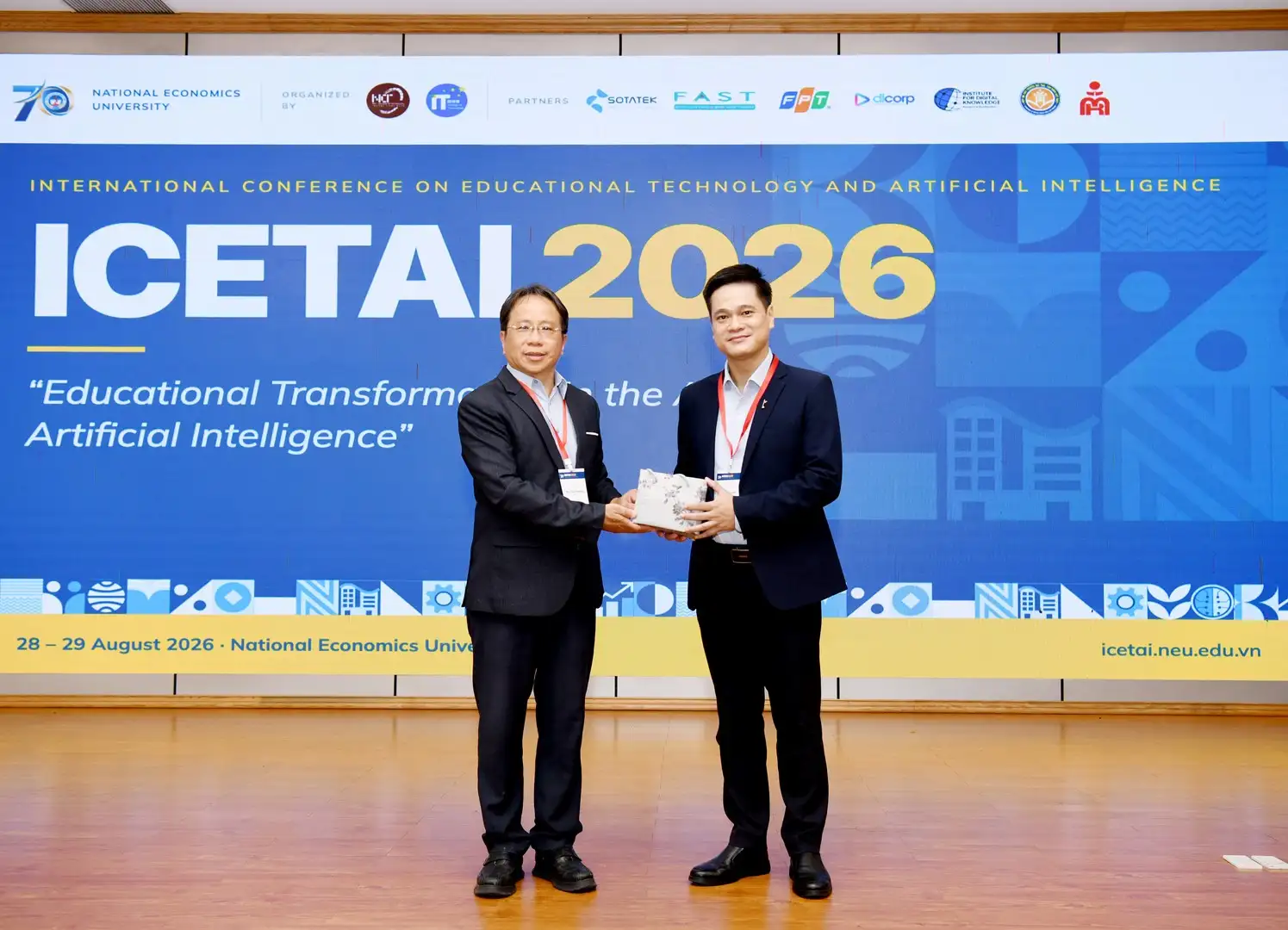
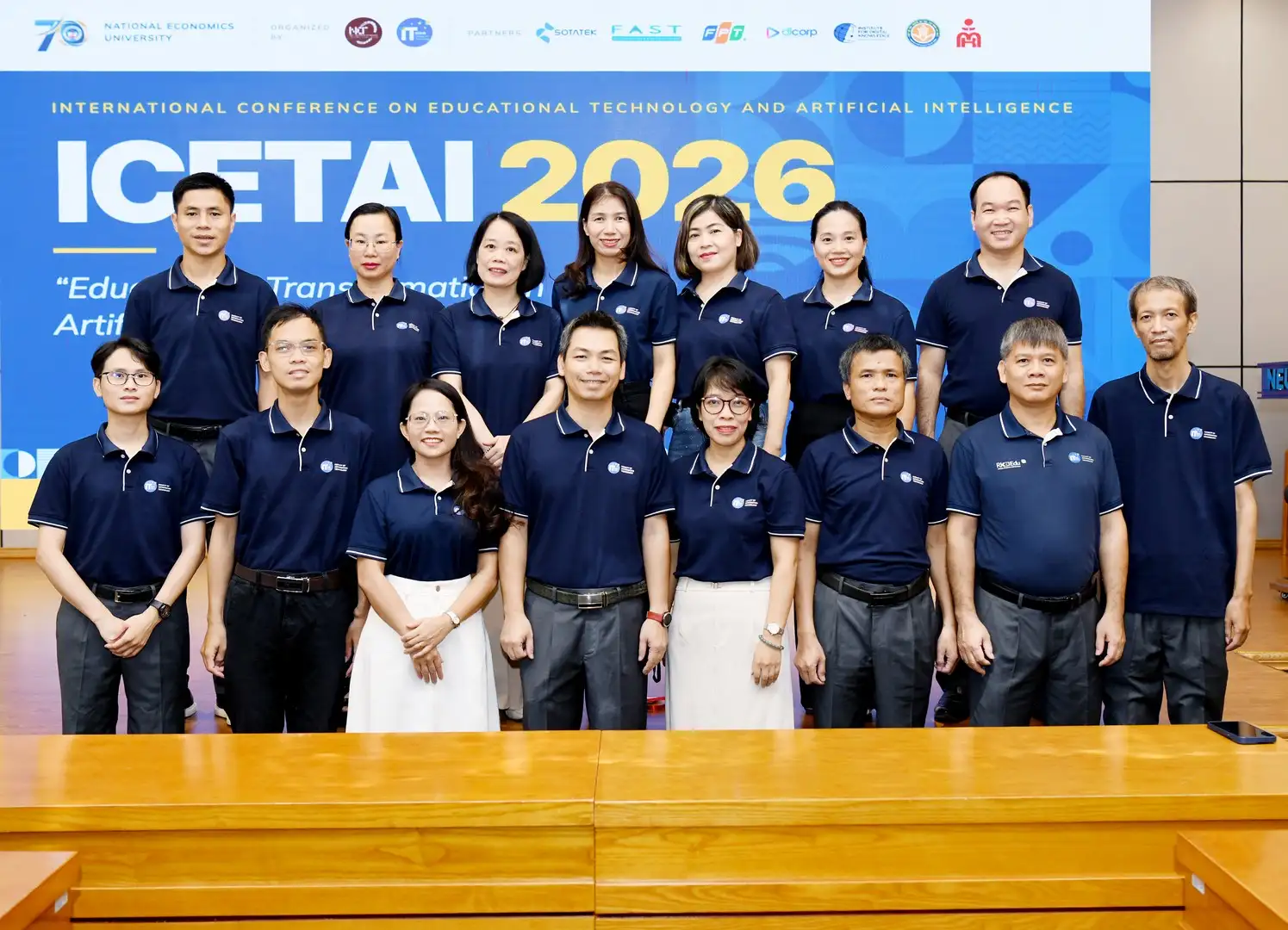
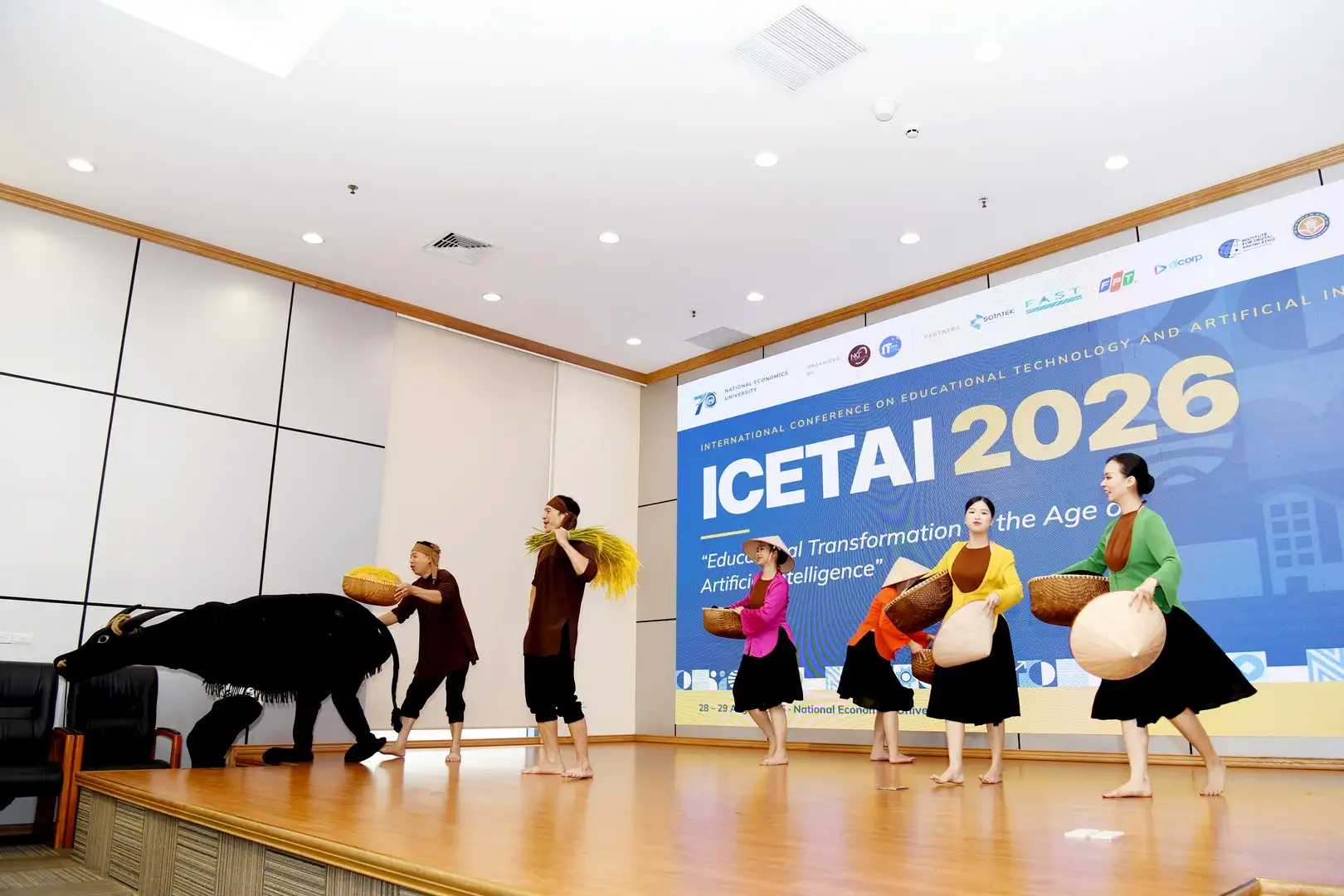
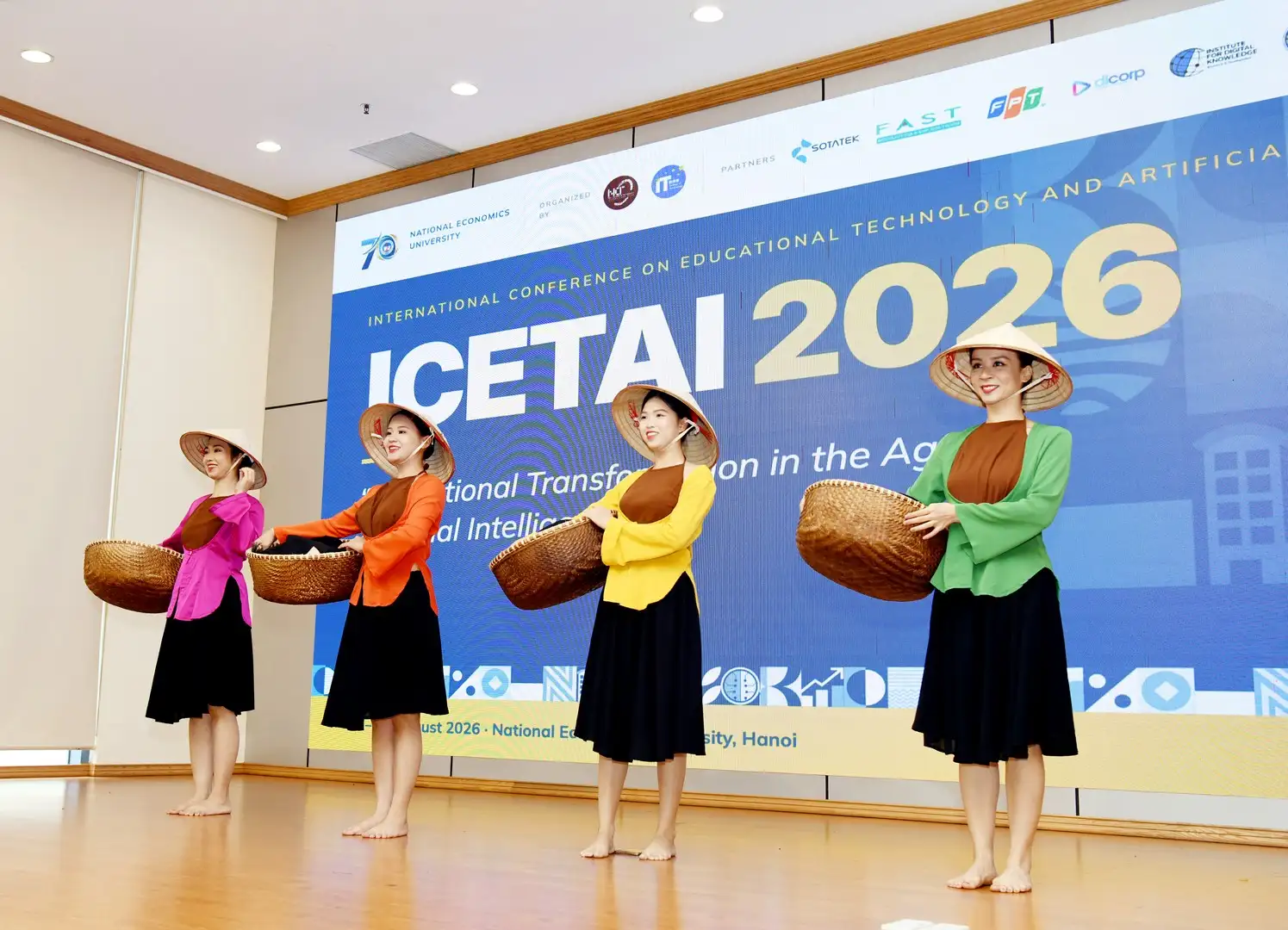
Some Images from the Conference:

Article and Photos: Communications Department



