
Scientific Seminar on “Digital Economic Development and Competitive Capacity of Nghe An Province”
18/05/2026 2026-06-18 15:34Scientific Seminar on “Digital Economic Development and Competitive Capacity of Nghe An Province”
Scientific Seminar on “Digital Economic Development and Competitive Capacity of Nghe An Province”
On May 18, 2026, at Vinh University, the College of Economics and Public Management – National Economics University, in collaboration with the People’s Committee of Nghe An Province and Vinh University, organized a scientific seminar with the theme “Digital Economic Development and Competitive Capacity of Nghe An Province.”
The program is implemented within the framework of the national science and technology project KX.01.15/21-30, chaired by Prof. Dr. Do Thi Hai Ha, aiming to strengthen the connection between academic research and practical governance and local policy-making, thereby contributing to proposing solutions to promote digital economic development and enhance the competitive capacity of Nghe An Province in the new phase.
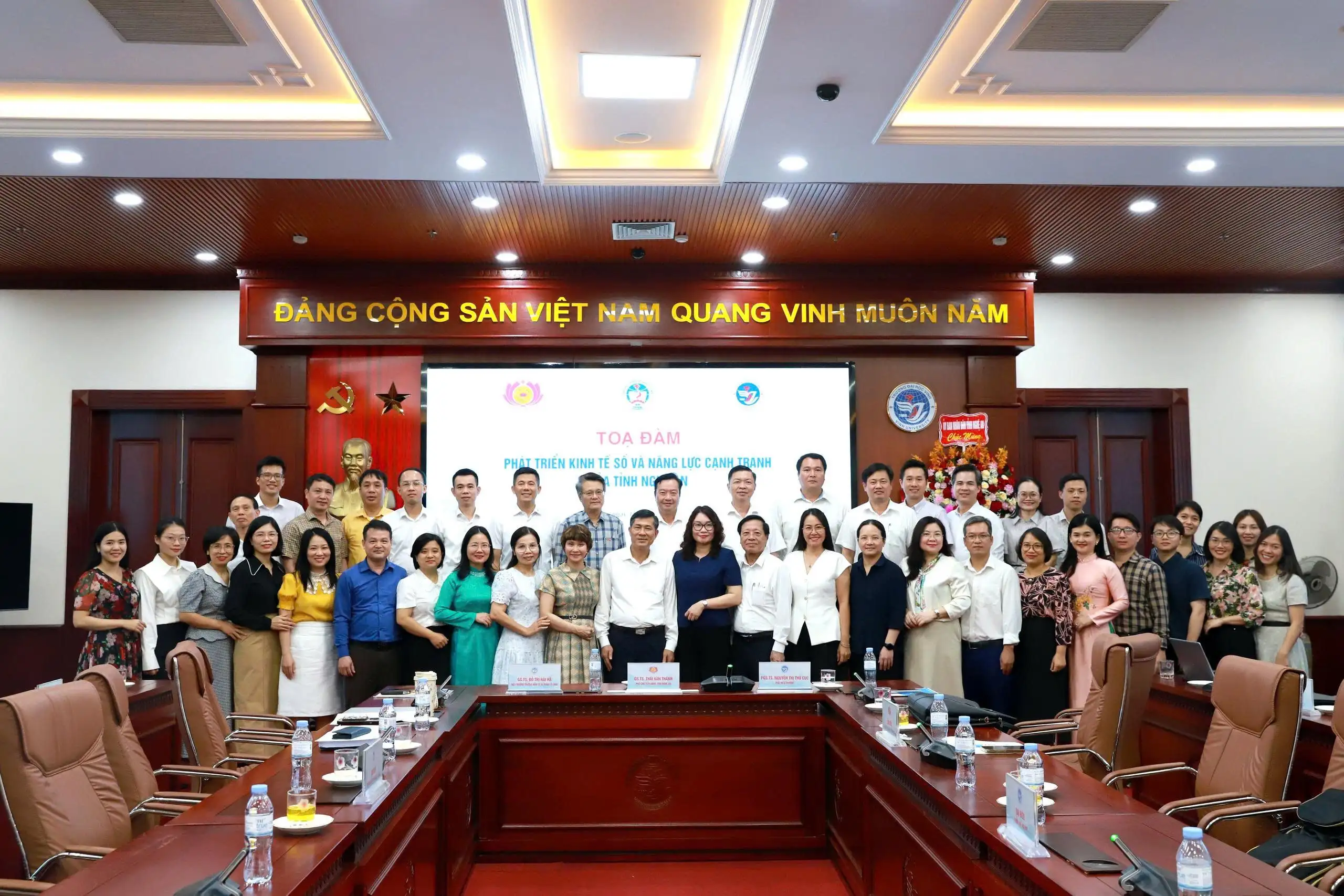
The seminar was attended by representatives from the College of Economics and Public Management, leaders of Nghe An Province, leaders of various departments and sectors, along with scientists, experts, and the business community.
Attending the seminar, on behalf of the leadership of Nghe An Province, were: Prof. Dr. Thai Van Thanh – Member of the Provincial Party Committee, Vice Chairman of the Provincial People’s Committee; Mr. Nguyen Quy Linh – Member of the Provincial Party Committee, Director of the Department of Science and Technology; leaders of various departments, sectors, agencies, units, and related enterprises. On behalf of Vinh University was Assoc. Prof. Dr. Nguyen Thi Thu Cuc – Vice President.
On behalf of National Economics University were: Prof. Dr. Do Thi Hai Ha – Rector of the College of Economics and Public Management; Prof. Dr. Tran Thi Van Hoa – Former Vice President of National Economics University; along with representatives of the leadership of the School of Economics and Public Management; staff, lecturers, experts, and scientists in the fields of economics, management, and finance.
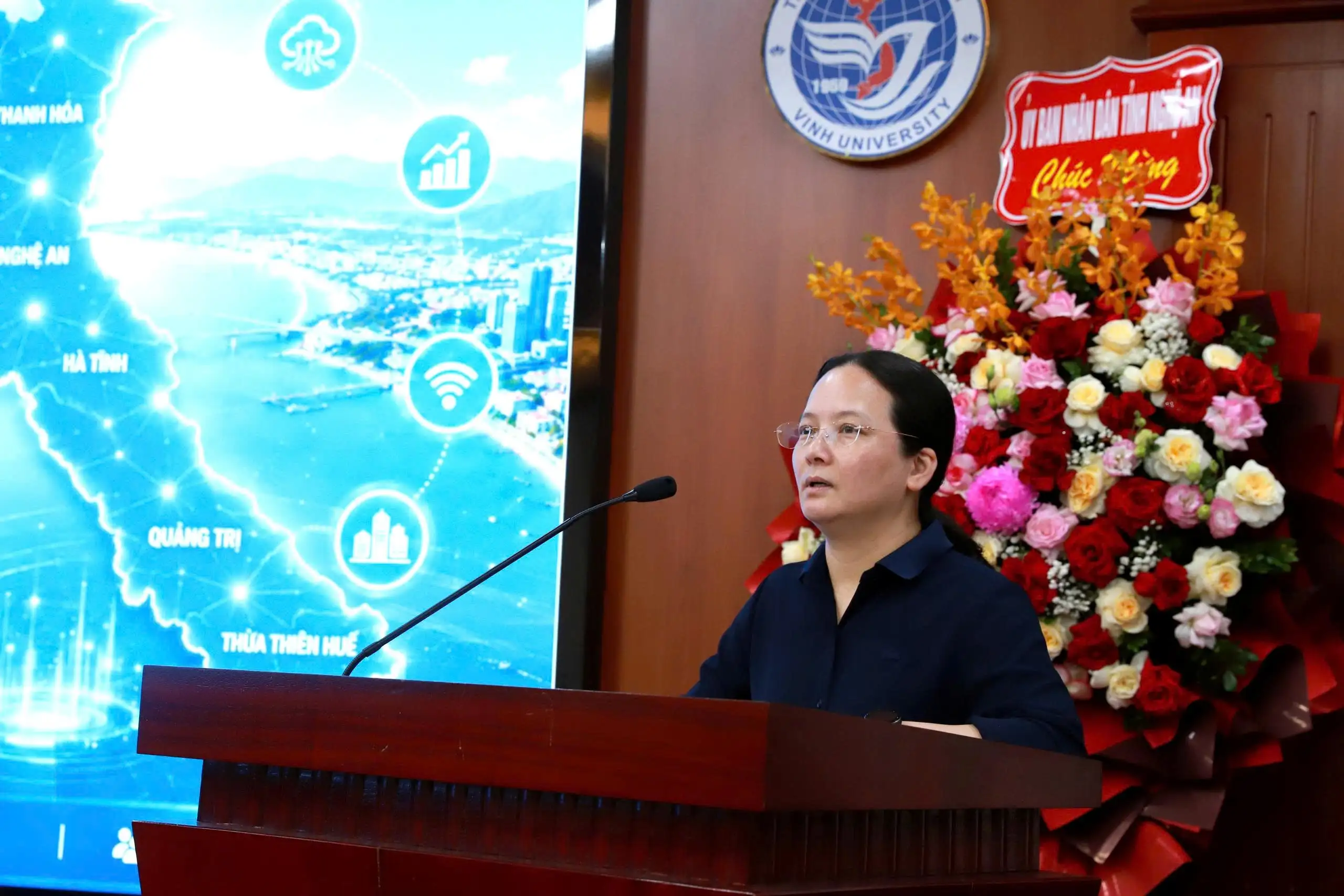
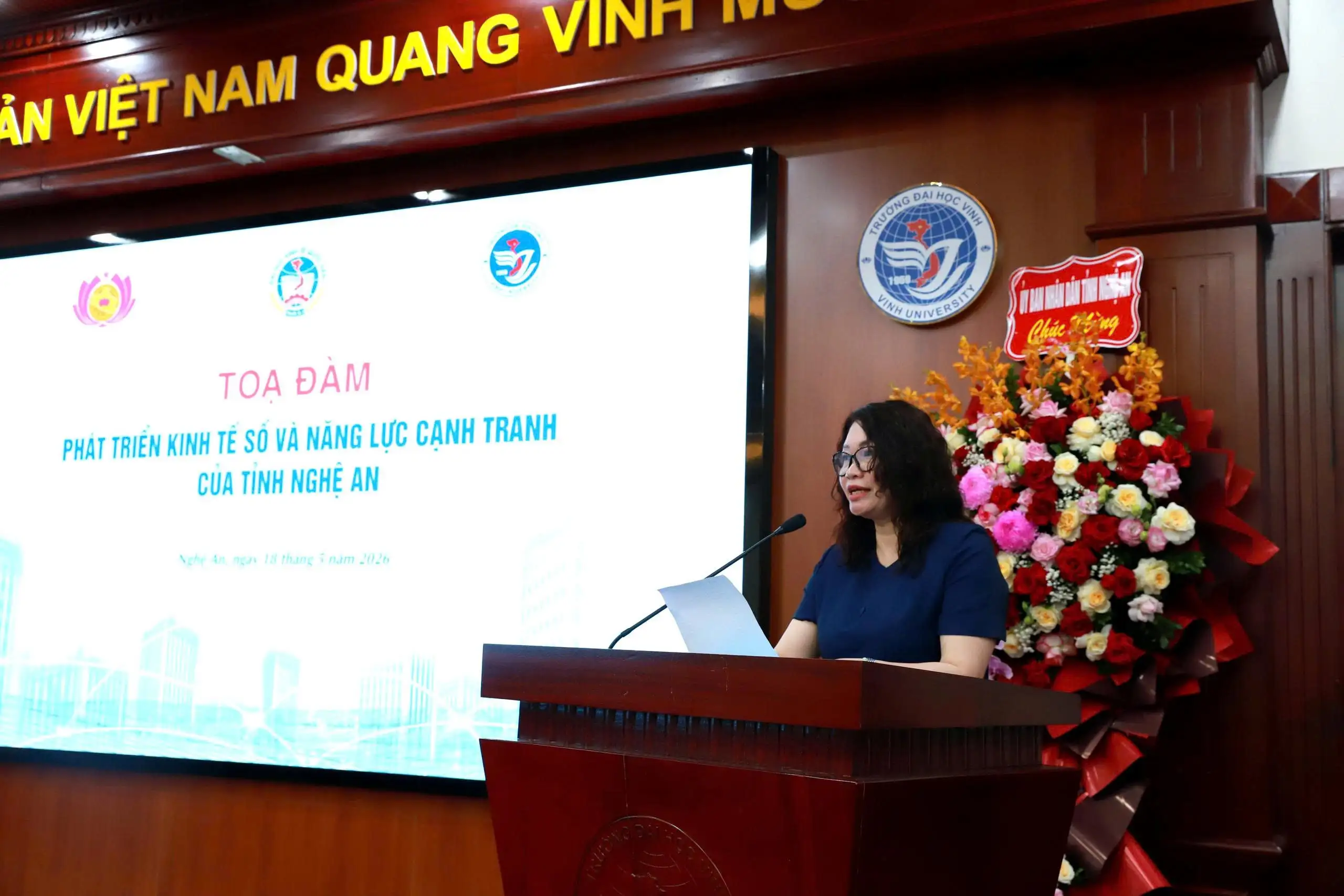
In the opening speech at the seminar, Prof. Dr. Do Thi Hai Ha – Rector of the College of Economics and Public Management, stated that in the context of a strong digital transformation, the competitive capacity of localities no longer primarily depends on traditional factors such as resources or labor costs, but increasingly on institutional quality, digital infrastructure, data capacity, innovation, and the digital skills of the workforce.
From this reality, Prof. Dr. Do Thi Hai Ha emphasized that the issue for Nghe An Province is not only to develop the digital economy in scale but more importantly, how to make the digital economy truly a driving force to enhance competitive capacity, laying the foundation for sustainable growth in the new phase.
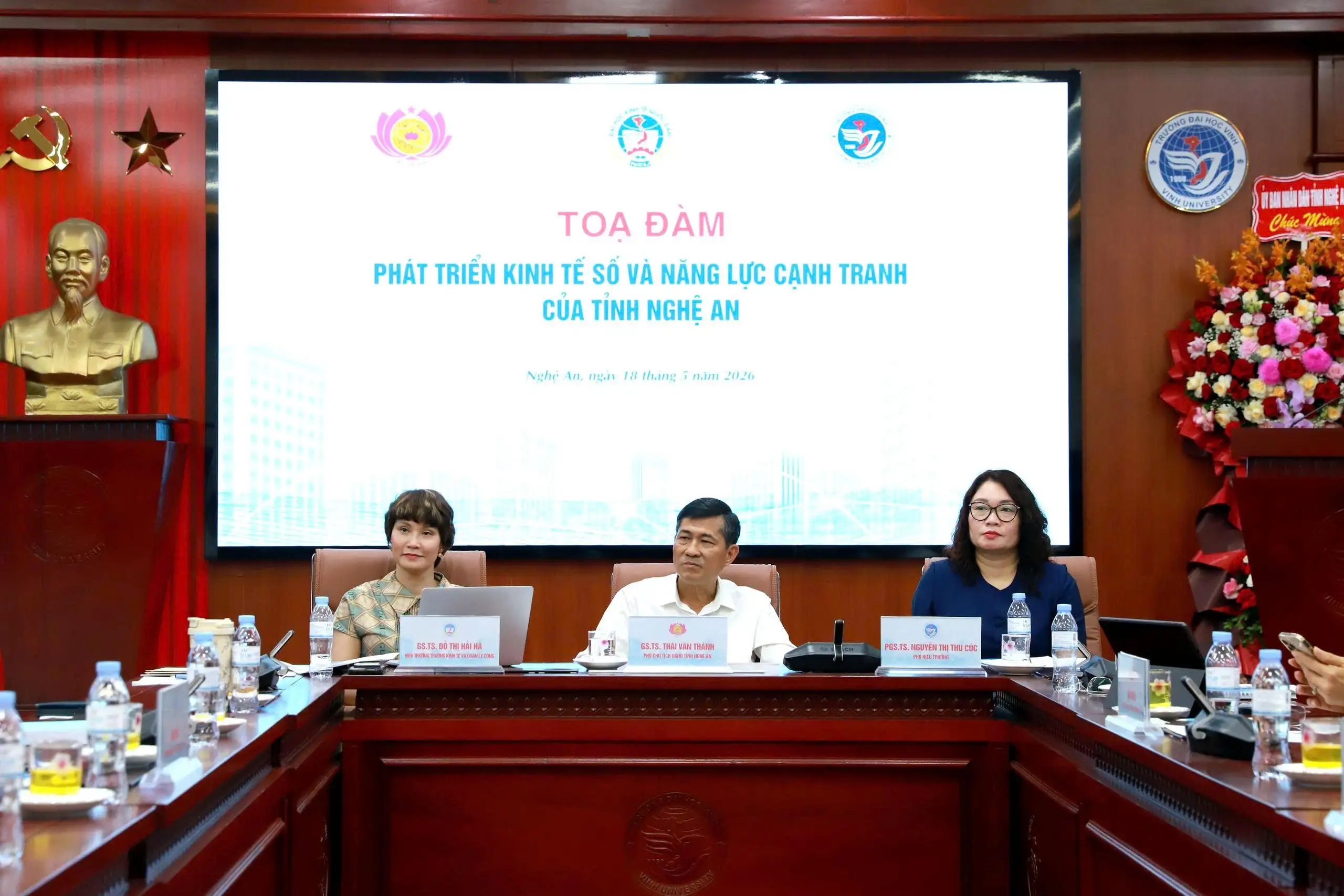
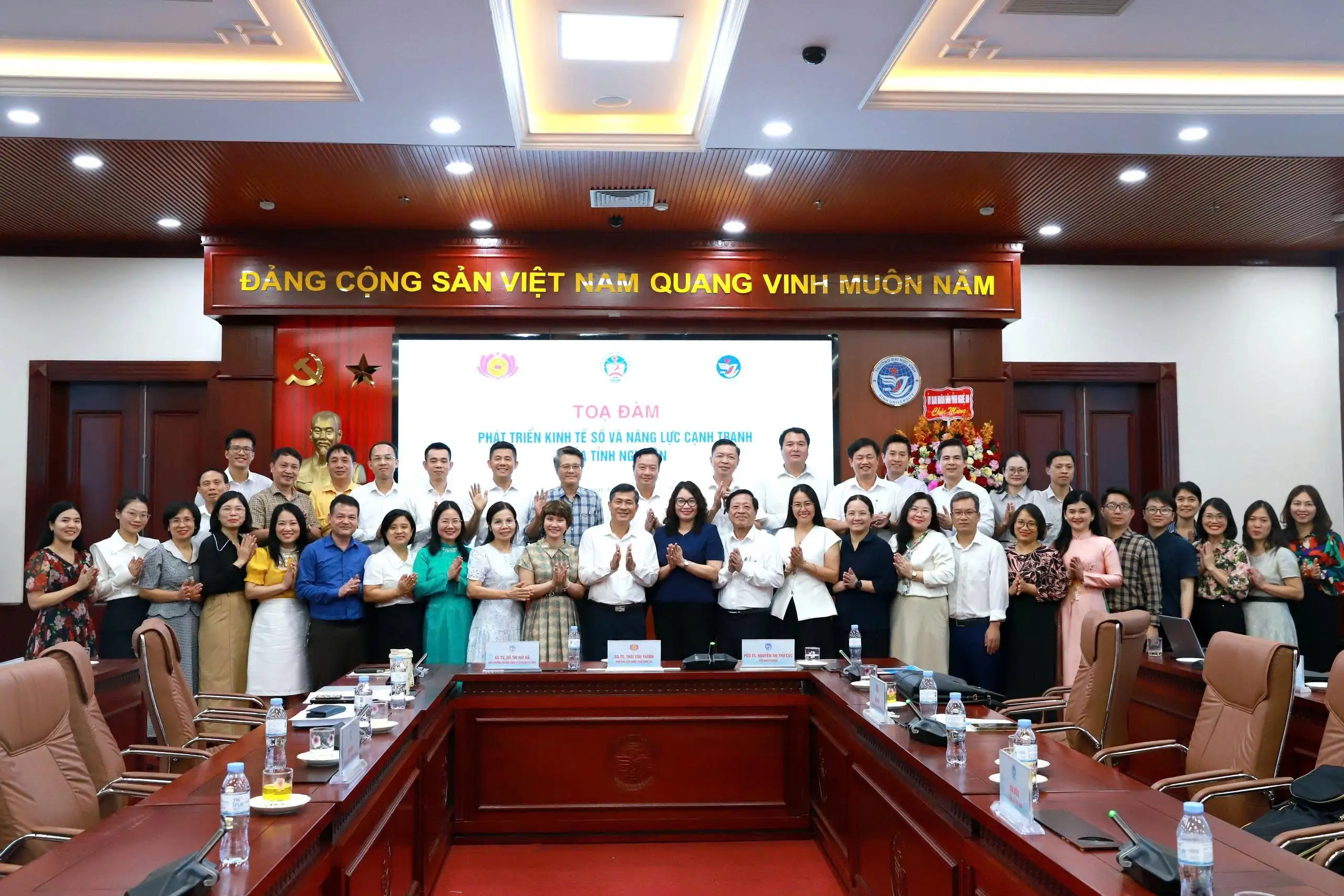
Prof. Dr. Do Thi Hai Ha, Prof. Dr. Thai Van Thanh, Assoc. Prof. Dr. Nguyen Thi Thu Cuc at the seminar
The presentations at the seminar approached the issue from both theoretical and practical perspectives, focusing on analyzing the relationship between digital economic development and enhancing local competitiveness. The research group from National Economics University (NEU) presented an analytical framework showing that the digital economy impacts competitiveness through three main channels: productivity enhancement, innovation, and governance institutions. By comparing the experiences of several localities within the country, the research indicates that the scale of the digital economy does not automatically translate into competitiveness without effective diffusion mechanisms; simultaneously, digital transformation in the public sector does not equate to improved governance quality without substantial institutional reforms. This highlights the necessity of ensuring the synchronized operation of various pillars to create sustainable development impacts.
From the perspective of state management, a representative from the People’s Committee of Nghe An Province provided an overview of digital economic development and the Provincial Competitiveness Index (PCI) for the period 2020-2025. Accordingly, the share of the digital economy in the province’s GRDP has improved, reaching 8.4% by 2025; telecommunications infrastructure and digital applications have gradually expanded. However, the scale of the digital economy is still not commensurate with its potential, the level of technology application varies across sectors, there is a shortage of high-quality digital human resources, and the innovation ecosystem has not developed uniformly. Regarding the PCI, although the scores show an improving trend, the province’s ranking remains unstable, particularly in indices related to fair competition and governance quality.
At the regional level, the presentation from Vinh University emphasized that although the North Central provinces maintain a relatively high growth rate, sustainable competitive advantage primarily depends on the quality of digital transformation. The digital economy is identified as a key factor contributing to enhancing institutional quality, expanding markets, increasing enterprise productivity, and promoting regional linkages. However, this area still faces many barriers such as data fragmentation, a shortage of digital human resources, and limitations in policy linkage thinking.
The open discussion session recorded many exchanges from management agencies, businesses, and academia, focusing on clarifying the impact of the digital economy on production and business activities and identifying bottlenecks in the implementation process at the local level. The opinions agreed that the current challenge lies not in orientation, but in the organizational capacity for execution and the level of synchronization between infrastructure, data, human resources, and institutions.
Concluding the seminar, the organizing committee affirmed that the digital economy should be approached as a process of restructuring the growth model based on data and innovation, rather than merely a simple application of technology. On this basis, the emphasized policy directions include developing synchronized digital infrastructure, improving the quality of human resources, promoting institutional reforms with a focus on citizens and businesses, and enhancing support for enterprises to participate more deeply in the digital economy.
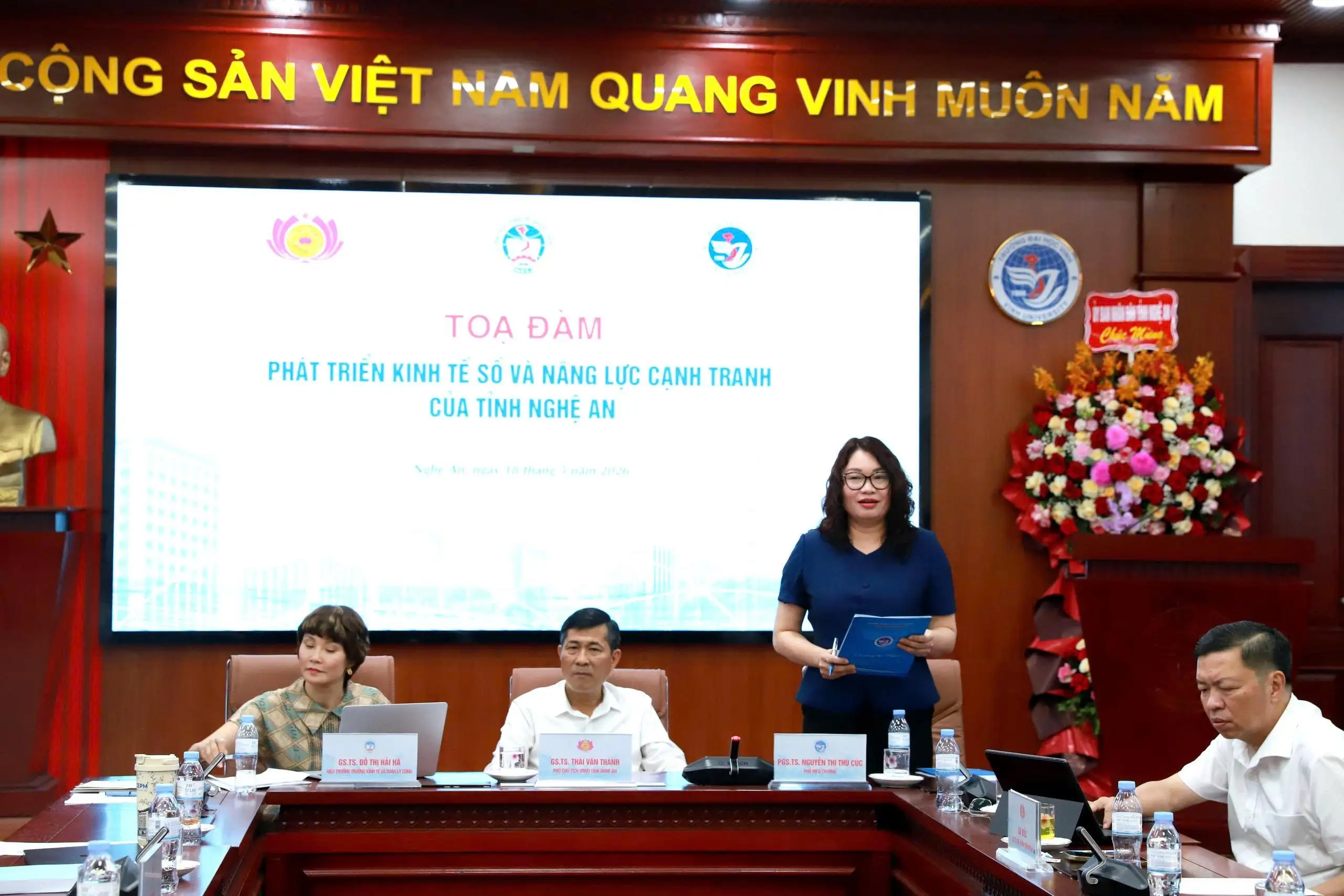
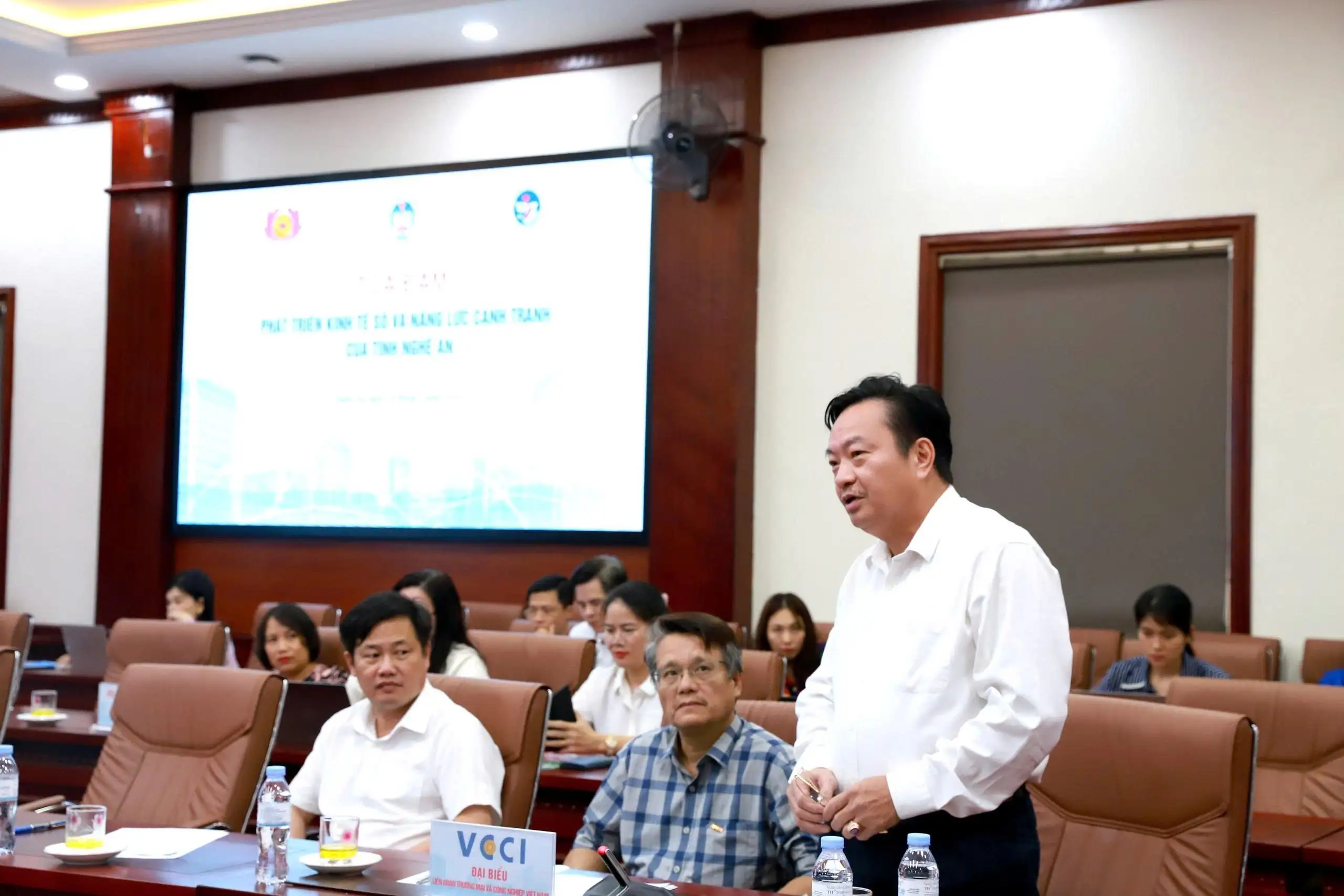
Some images within the framework of the Seminar:

Article and photos: College of Economics and Public Management and Communication Department