Developing a Circular Economy in the Context of Digital Transformation: Lessons From the KX01.05/21-30 Project Delegation’s Working Visit to China
01/12/2025 2025-12-01 16:27Developing a Circular Economy in the Context of Digital Transformation: Lessons From the KX01.05/21-30 Project Delegation’s Working Visit to China
Developing a Circular Economy in the Context of Digital Transformation: Lessons From the KX01.05/21-30 Project Delegation’s Working Visit to China
In November 2025, as part of state-level research project KX01.05/21-30, entitled “Developing a circular economy in the context of digital transformation in Vietnam through 2030”, a delegation from National Economics University (NEU) conducted field visits and working sessions in China.
Leading the delegation were Assoc. Prof. Dr. Truong Dinh Chien, former Dean of the Faculty of Marketing and Project Lead; and Assoc. Prof. Dr. Pham Thi Huyen, Vice Dean of the Faculty of Marketing and Project Secretary. They were joined by lecturers serving as core members of the project team.
Throughout the trip, the delegation had opportunities to observe how China combines policies encouraging the adoption of circular economy models with stringent environmental management regulations in developing industries, from high-tech manufacturing to the consumption of products for everyday life, all strongly supported by digital transformation. The delegation gained extensive experience and drew many important lessons for Vietnam on economic development based on a circular model.
A Robust Environmental Legal and Policy Framework
During the working visit, the delegation visited and held working sessions at several major Chinese universities, including Fudan University, Shanghai Jiao Tong University, Shanghai University of Finance and Economics, Beijing Foreign Studies University, Tsinghua University, and Peking University. During the discussions, the teaching and research units all emphasized that state policy plays a decisive role in guiding and promoting circular economy development. This perspective is consistently reflected in how the universities collaborate with businesses, establish research laboratories, develop academic programs, and provide policy advice to Chinese ministries and agencies.
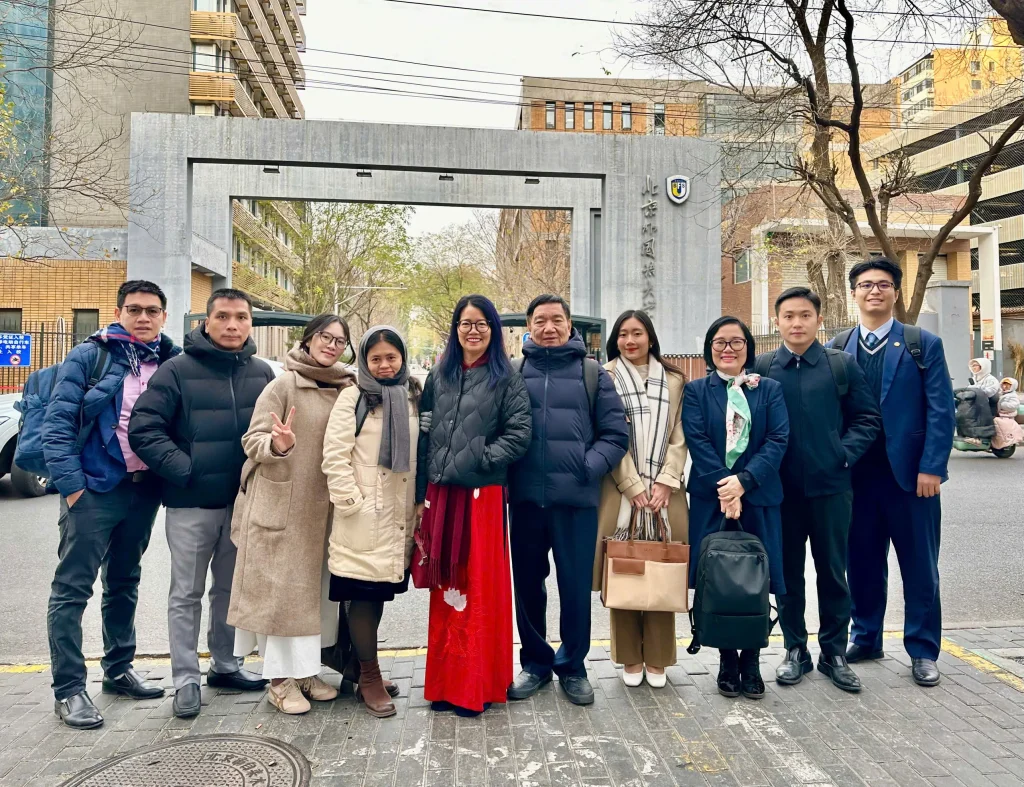
The delegation at Beijing Foreign Studies University
China was one of the early adopters of a relatively comprehensive circular economy policy framework. In 2008, China’s National Assembly enacted the Circular Economy Promotion Law, laying the legal foundation for lifecycle resource management, promoting waste reduction, and optimizing resource efficiency at the enterprise, industrial park, and societal levels. The law clearly defines the responsibilities of relevant stakeholders, oversight mechanisms, and implementation support measures, enabling localities and organizations to establish circular economy models suited to their specific development conditions.
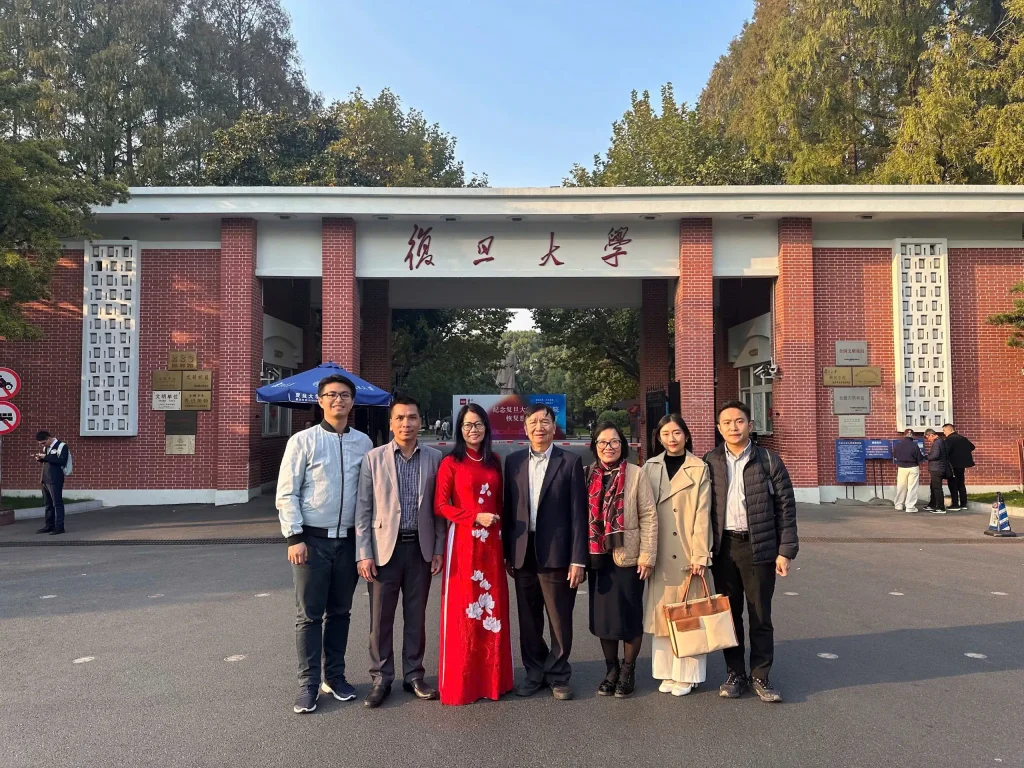
The delegation at Fudan University (Shanghai)
At present, China continues to refine its policy system through the Circular Economy Development Plan 2021–2025, issued by the National Development and Reform Commission (NDRC). The plan sets quantitative targets, including increasing the efficiency of using key resources by approximately 20% compared with 2020, reducing energy and water consumption per unit of GDP, increasing recycling rates for industrial and agricultural scrap materials, and building a national recycling system. These targets provide important guidance for universities’ teaching and research systems.

The delegation at Shanghai Jiao Tong University
All the universities visited by the delegation undertake specific activities linked to implementing circular economy policies. Tsinghua University currently operates the Institute for Circular Economy, conducting research and transferring solutions to the manufacturing industry. Fudan University offers interdisciplinary academic programs in sustainable development and the circular economy, while Peking University pursues research assessing the effects of environmental and resource policies on the production and business practices of enterprises and local governments. Shanghai Jiao Tong University focuses on construction waste recycling research, while Shanghai University of Finance and Economics analyzes green finance mechanisms that support business transformation. These activities demonstrate that the links among research, teaching, and policy are a core component of China’s circular economy development model.
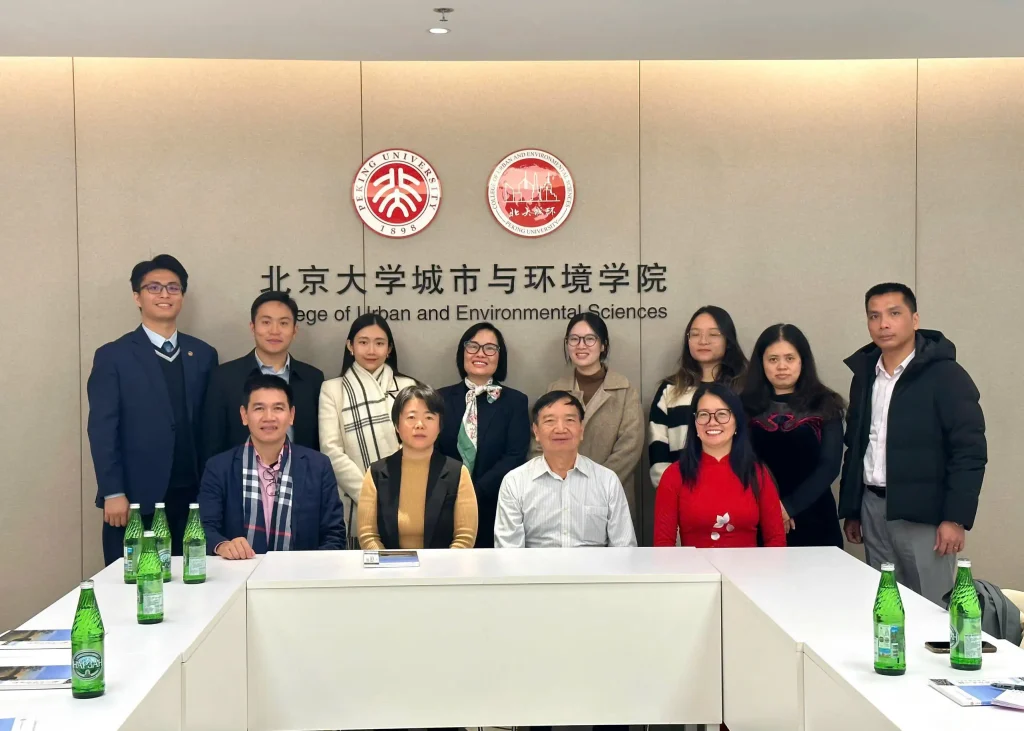
The delegation at Peking University
These conclusions from university researchers were reinforced when the delegation held working sessions directly at E-town with the Industrial Park Management Board and several businesses operating there. Through these discussions, the delegation noted that E-town’s management, support, and oversight mechanisms are all designed to ensure that businesses fully comply with the circular economy development directions set by the Communist Party of China and the Chinese Government. The Industrial Park Management Board serves as an intermediary connecting policy with implementation by guiding businesses in adopting resource-saving standards, increasing waste recycling, improving energy efficiency, and reducing emissions during production. The Board also encourages businesses to participate in technological innovation programs, adopt cleaner production models, and establish circular linkages among factories in the area. These observations show that China’s circular economy policies are implemented consistently from the central to the local level and are clearly reflected in the operations of industrial parks such as E-town.
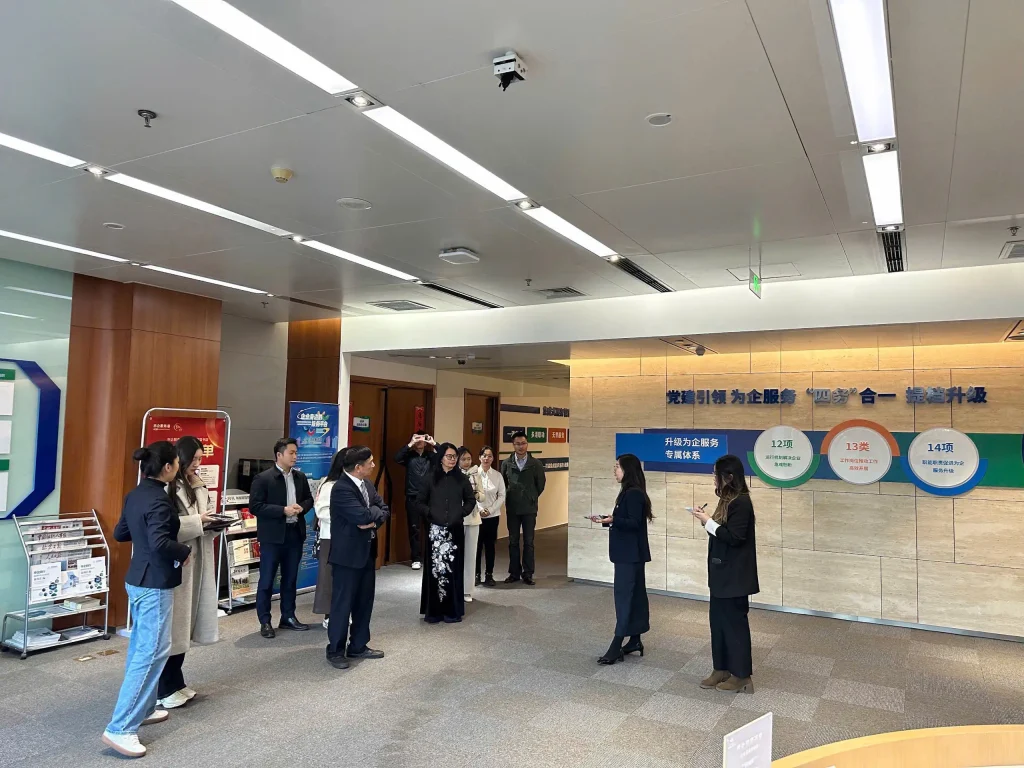
E-town’s management, support, and oversight mechanisms are all designed to ensure that businesses fully comply with circular economy development directions
China’s system of environmental and waste management regulations can be described as relatively stringent. Specific regulations on waste sorting, collection, transportation, and treatment have been issued, accompanied by oversight mechanisms and penalties for noncompliance. Many localities apply digital technologies to emissions monitoring, environmental reporting, and public disclosure of information, thereby putting pressure on businesses to comply with environmental standards. The combination of a clear legal framework and digital systems helps translate circular economy policies into practice rather than leaving them only on paper.
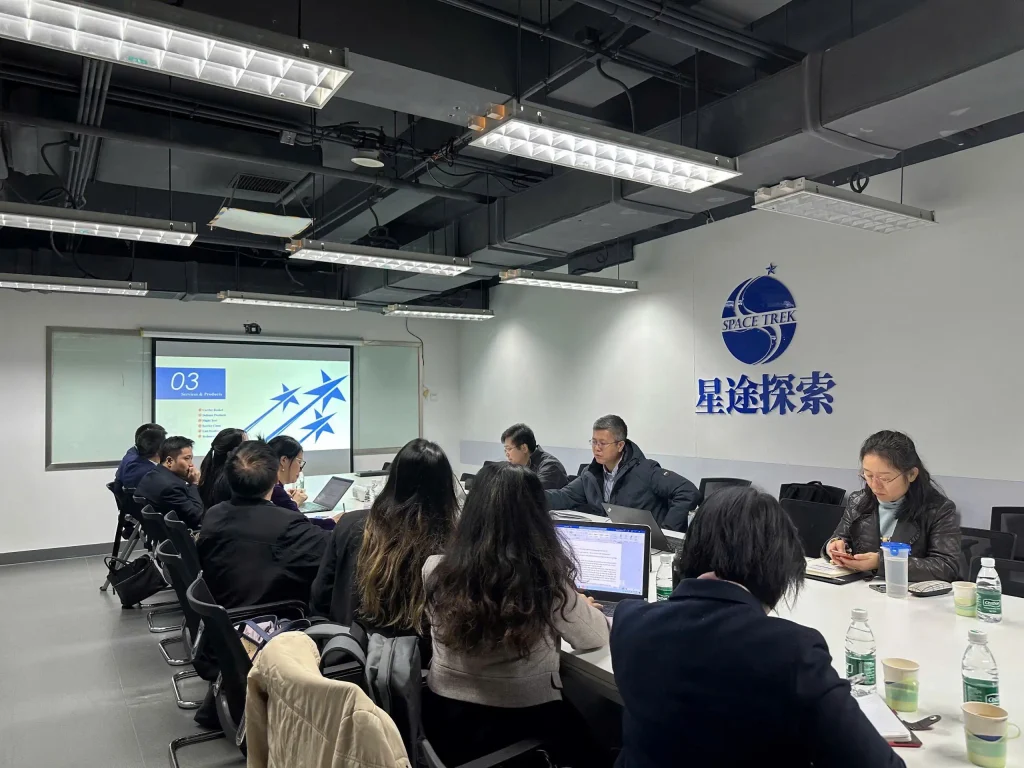
A Space Trek representative explains that environmental requirements are mandatory for manufacturing businesses
Adopting Circular Economy Models at High-Tech Enterprises
The delegation was fortunate to have opportunities to meet with major enterprises in new energy vehicle manufacturing—BAIC (China’s largest electric vehicle group)—and rocket manufacturing technology, such as LandSpace and Space Trek, as well as Taihao Intelligent, an infrastructure development and smart housing construction company. During these visits, the delegation observed that the circular economy is not merely a slogan but is put into practice at every stage of the value chain. The adoption of circular economy models by industrial and high-tech enterprises in China demonstrates the diversity of approaches and the varying degrees to which they make use of state support policies.
In manufacturing, BAIC Group is among the enterprises implementing the circular economy most clearly and comprehensively. At BAIC, presentations to the delegation highlighted the strong growth of the domestic electric vehicle market, with the participation of numerous domestic brands. Encouraging electric vehicle use helps reduce transport emissions while creating new ecosystems related to battery production, charging station infrastructure, maintenance services, and the collection and recycling of used batteries. BAIC is also among the enterprises seeking to expand in the Vietnamese market, and it hopes that Vietnam will soon introduce more open policies for these electric vehicles.
The enterprise has established a product lifecycle management process by collecting and recycling electric vehicle batteries, reusing materials from end-of-life vehicles, expanding factory infrastructure to support green production, and pursuing emissions reduction targets in line with national standards. These activities demonstrate that BAIC not only complies with China’s circular economy development policies but also proactively makes use of their incentives, standards, and directions.
Meanwhile, space technology companies such as SpaceTrek and LandSpace demonstrate a new approach, focusing on harnessing opportunities in outer space to develop models for using resources beyond Earth in the future. Although they have not yet established circular economy practices in the traditional sense, the two companies have positioned their strategies toward seeking extraterrestrial resources to expand the scope of sustainable resource utilization in the medium and long term.
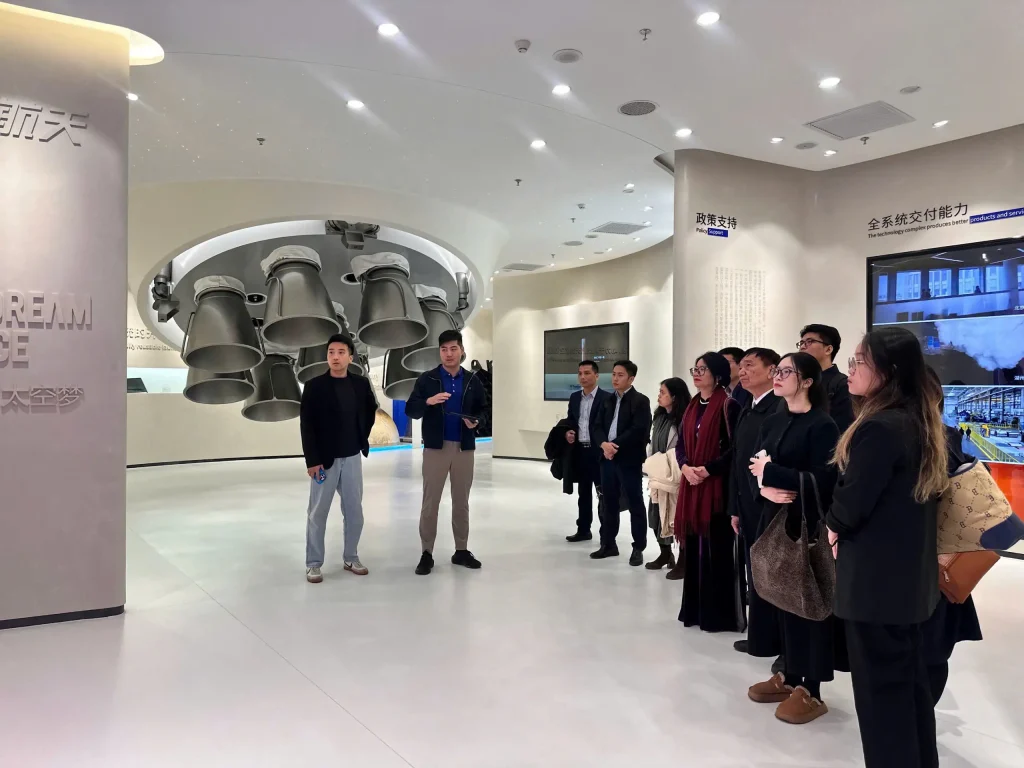
LandSpace presents its commercial rocket products that use environmentally friendly energy
Company representatives said they are gradually switching to cleaner fuels during testing and operations to reduce emissions into the environment. Some used parts and components are also recycled or reused, provided they fully meet stringent technical standards.
In addition, digital transformation is an indispensable element of business operations. Data on component lifecycles, wear levels, and operational performance are managed on digital systems, enabling companies to monitor, assess, and make accurate decisions about repair, reuse, or replacement. This demonstrates that digital transformation serves as soft infrastructure, supporting the adoption of the circular economy even in fields with very high safety and precision requirements, such as the commercial rocket industry.
Taihao Intelligent is a group specializing in smart city solutions that positions itself as a provider of data-driven operations and management services. Taihao Intelligent uses IoT technology, big data, and integrated platforms to transform urban operations and traditional infrastructure. From a circular economy perspective, the company has significant potential in asset lifecycle management, while data opens up opportunities for recovery, reuse, and value chain restructuring. These technological solutions help connect resources (raw materials, energy, air, water, and electricity) and create closed loops based on circular business models. This can reduce waste volumes, increase reuse, and improve the economic efficiency of each type of “asset.”
The Circular Economy in People’s Daily Lives
In everyday life, the circular economy in China is reflected in many familiar practices. During an academic discussion with the delegation, Assoc. Prof. Dr. Xing Tong (Peking University) emphasized that public awareness is an important prerequisite for shifting behavior in an environmentally friendly direction. According to Assoc. Prof. Xing Tong, if people do not clearly understand why they should sort waste, why they need to conserve resources, or the specific benefits of green behaviors, it is very difficult to sustain these behaviors over time.
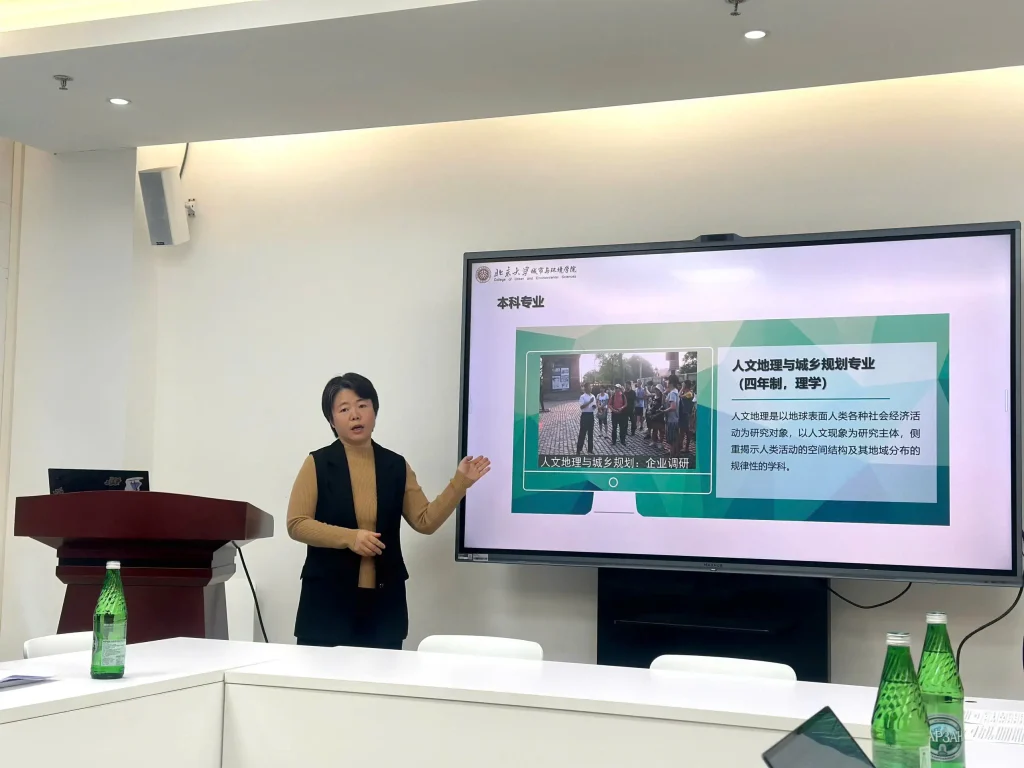
Assoc. Prof. Dr. Xing Tong has many years of experience in fields related to the circular economy, with notable research projects including the development of an electronic waste management system…
She said that in an experimental study on waste sorting, her research team combined awareness-raising communication with tangible economic benefits for residents. When residents received clear explanations of the significance of waste sorting, along with incentives and encouragement in the form of economic benefits, their participation in and sustained practice of waste sorting improved markedly.
According to Assoc. Prof. Xing Tong, the same logic is also at work in the electric vehicle market: when people see benefits such as lower operating costs, supportive policies, and convenience, they are willing to change their habits and choose a new mode of transportation.

A BAIC Group representative introduces the company’s operating processes and environment-related activities
From China’s Experience to Policy Directions
Drawing on firsthand experiences during the working visit, the KX01.05/21-30 project delegation identified several important lessons for Vietnam in developing a circular economy (CE) in conjunction with digital transformation. First, the CE needs to be viewed as a unified system, not merely a matter for the environmental sector or a few green industries, and must be integrated across areas ranging from high-tech sectors to everyday life. Within this system, digital transformation serves as the glue connecting fragmented efforts, as data, digital platforms, and monitoring, reporting, and evaluation tools help connect policies, businesses, and residents within a unified ecosystem rather than through isolated initiatives.
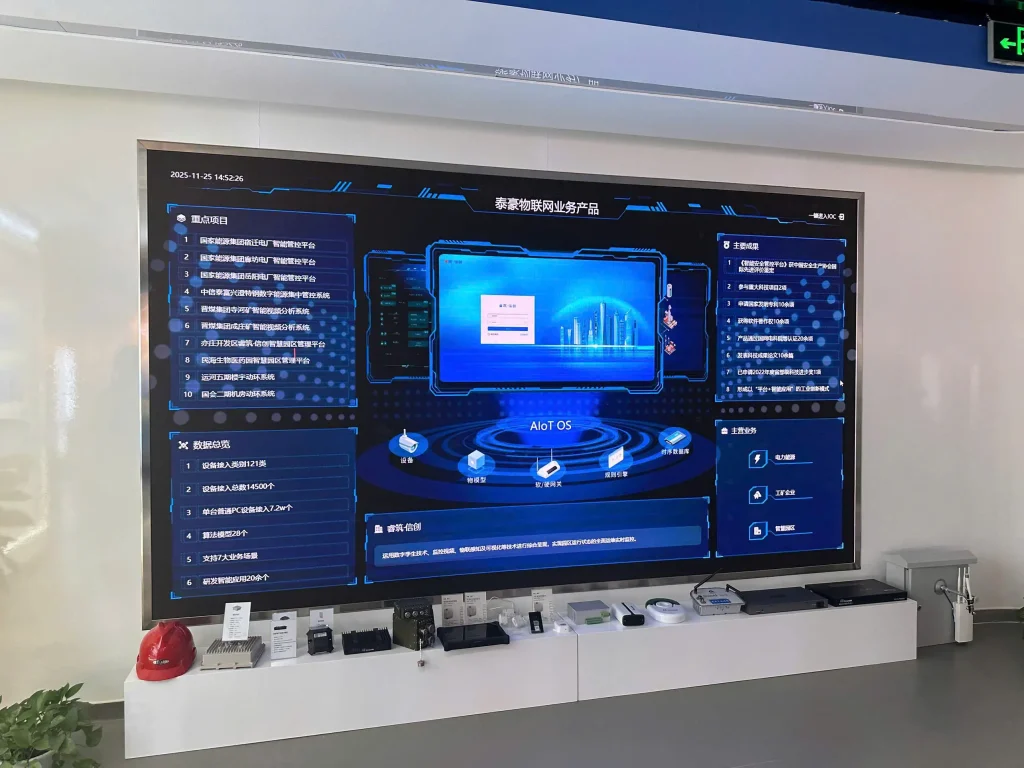
Tellhow Technology applies technology to smart housing management
In addition, awareness and communication are considered prerequisites: businesses and residents will only truly participate in the CE when communication is continuous, easy to understand, and linked to tangible benefits, rather than limited to slogans calling for action. In particular, experience from research by experts in the field shows that when green behaviors are combined with incentive mechanisms, such as economic incentives, these behaviors are much more likely to be sustained and spread. From a business perspective, the CE is only meaningful if adopting it brings economic benefits to businesses. Otherwise, businesses operating under the linear economy model will gain a competitive advantage and displace those operating under the CE model.
The working visit to China provided the KX01.05/21-30 project research team with many practical perspectives on implementing the circular economy in the context of digital transformation, from the policy and business levels to community awareness and behavior. These experiences provide an important foundation for the research team to further refine its proposals and solutions to promote circular economy development in Vietnam in the coming period, in ways that both suit the domestic context and align more closely with international trends.
Article and photos: The delegation
This is an automated translation. If you notice any errors, please contact the Department of Communications, National Economics University at phongtruyenthong@neu.edu.vn.