Seminar Seeks Input on Criteria for Selecting Training Institutions to Participate in the Railway Workforce Training and Development Project
17/12/2025 2025-12-17 12:10Seminar Seeks Input on Criteria for Selecting Training Institutions to Participate in the Railway Workforce Training and Development Project
Seminar Seeks Input on Criteria for Selecting Training Institutions to Participate in the Railway Workforce Training and Development Project
On the morning of December 17, 2025, National Economics University (NEU) hosted a seminar chaired by the Ministry of Education and Training (MOET) to gather input on criteria for selecting training institutions to participate in the Railway Workforce Training and Development Project.
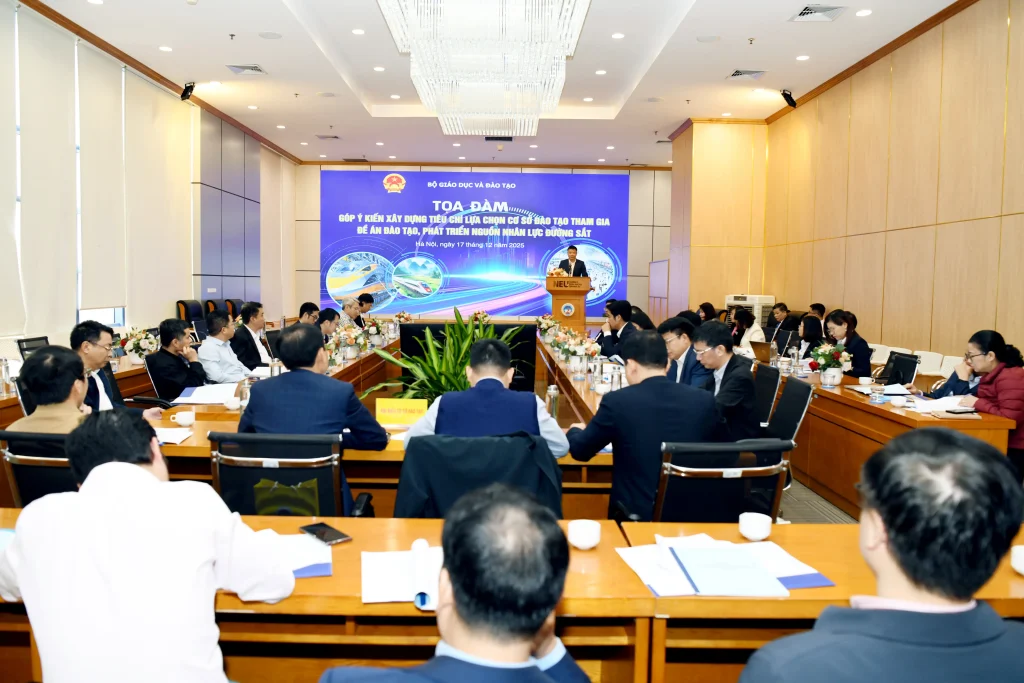
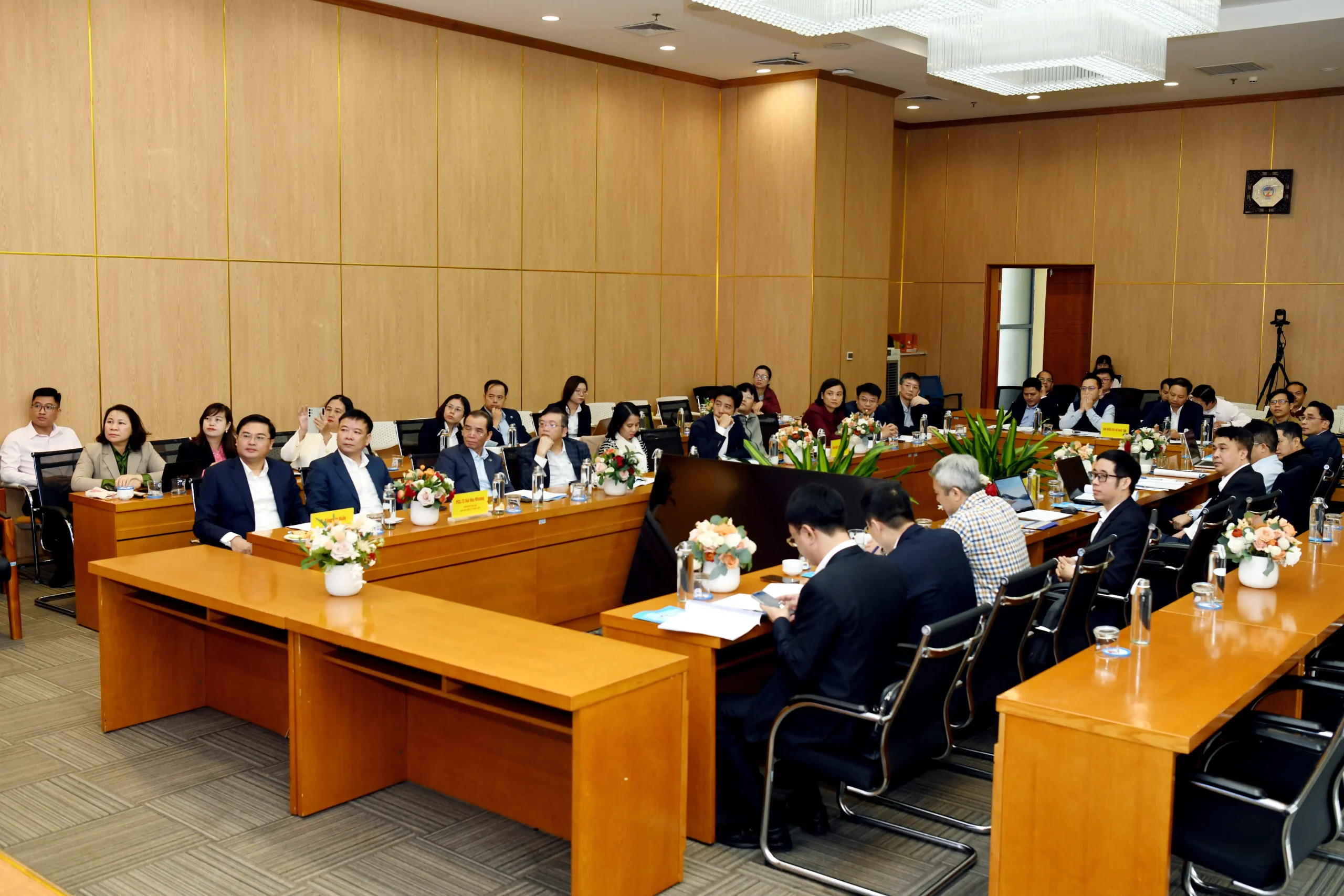
An overview of the seminar
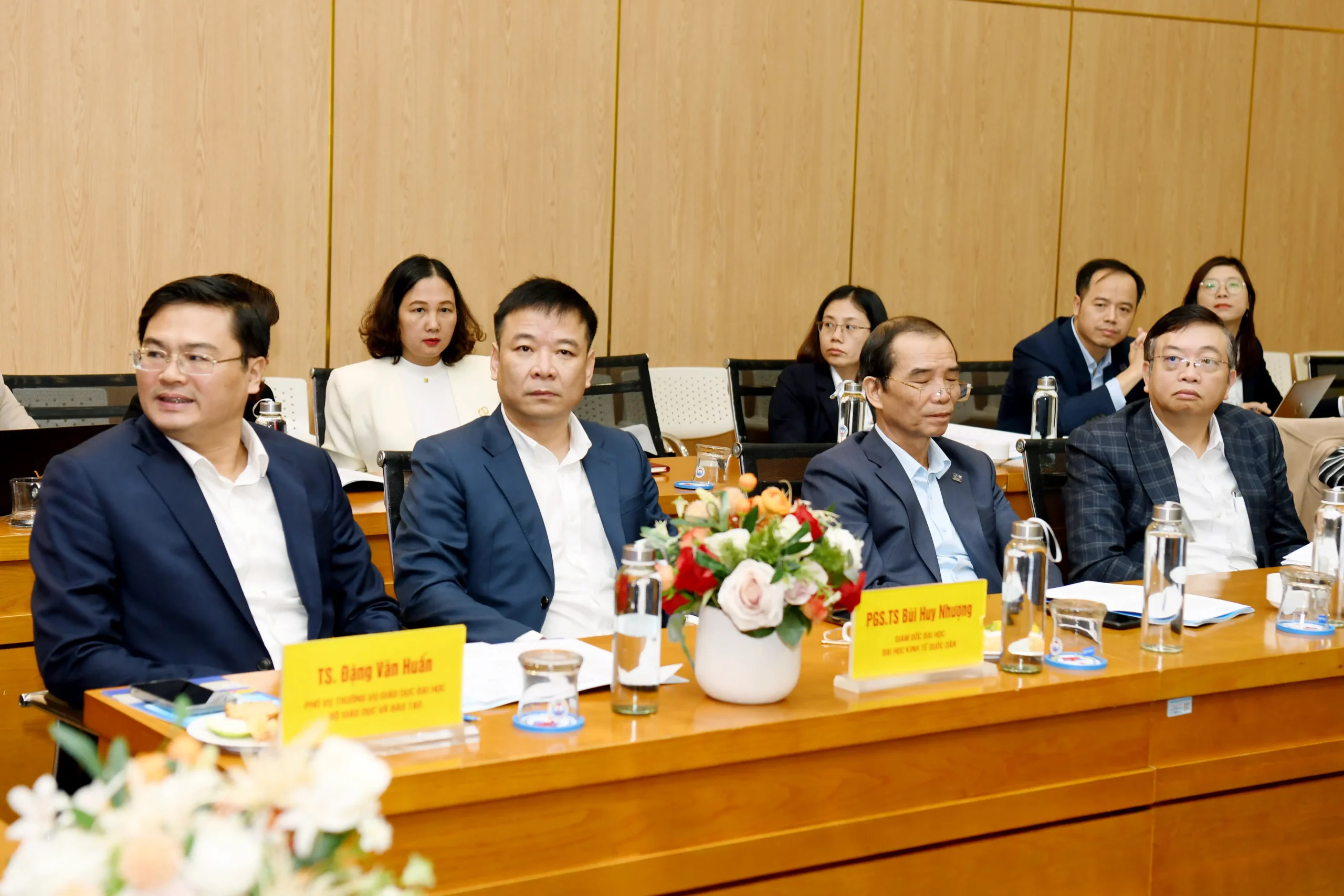
Attending the seminar were Dr. Dang Van Huan, Deputy Director General of the Department of Higher Education, Ministry of Education and Training; Assoc. Prof. Dr. Bui Huy Nhuong, President of NEU; leadership representatives from higher education institutions; and leadership representatives from NEU’s schools, departments, faculties, institutes, and centers, along with NEU experts and scientists.
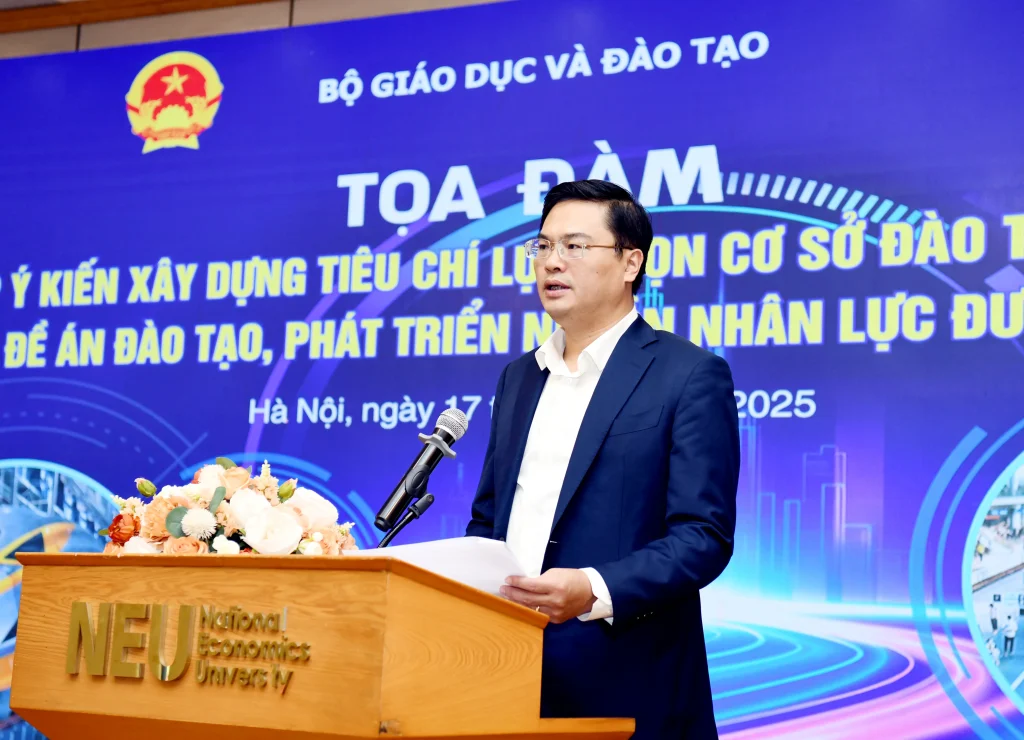
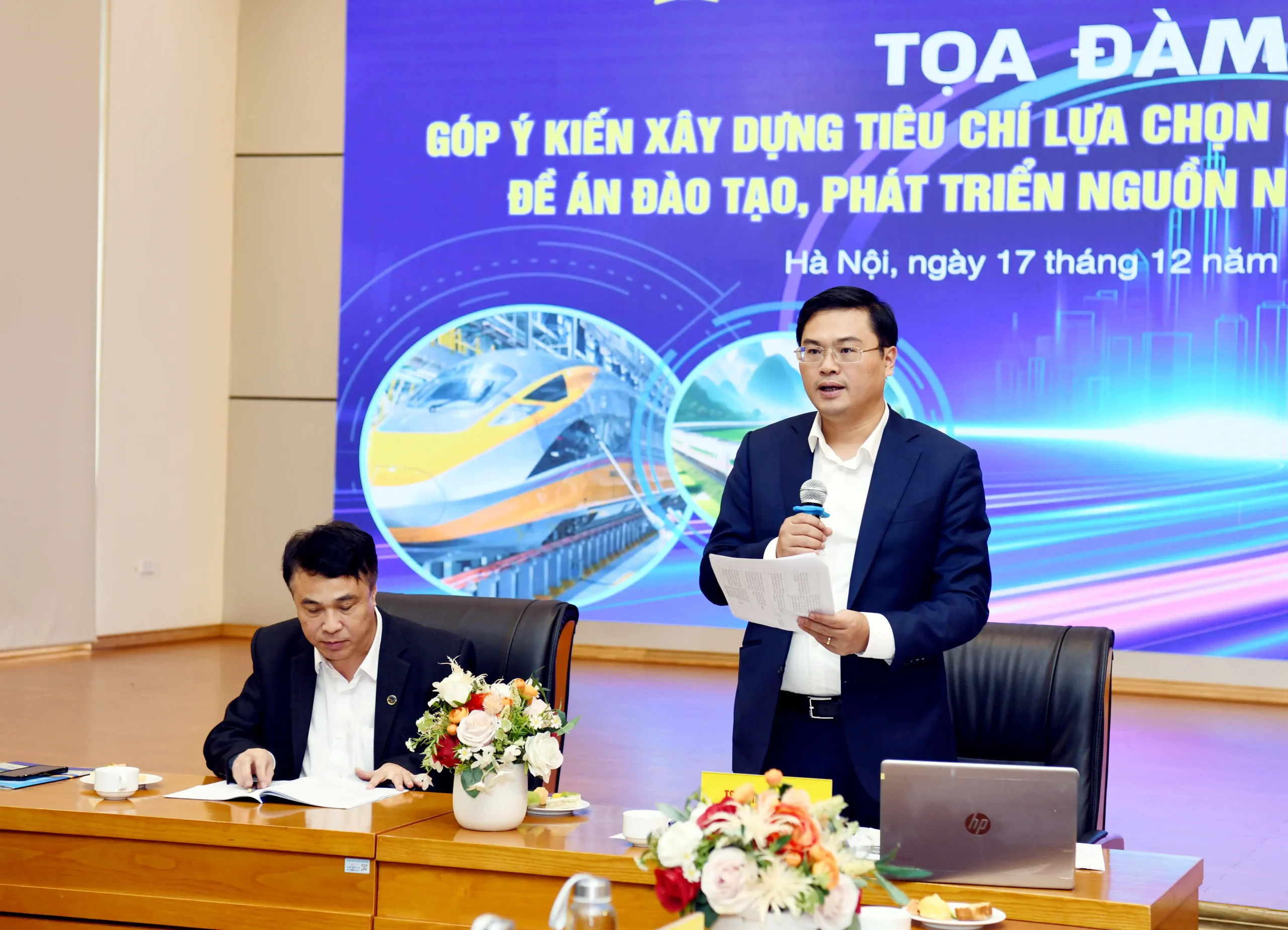
Dr. Dang Van Huan, Deputy Director General of the Department of Higher Education, Ministry of Education and Training, delivers remarks
Opening the seminar, Dr. Dang Van Huan, Deputy Director General of the Department of Higher Education, Ministry of Education and Training, emphasized the seminar’s crucial role in preparing a high-quality workforce for Vietnam’s railway sector through 2035, with a vision toward 2045. According to Dr. Dang Van Huan, the seminar aimed to gather input from higher education institutions and experts to finalize the criteria for selecting training institutions to participate in the Project, thereby effectively implementing Plan No. 1464/KH-BGDĐT on carrying out high-speed railway workforce training tasks in 2025.
Dr. Dang Van Huan said that the Ministry of Education and Training expects the selected training institutions to develop systematic training plans, develop a team of lecturers who meet international standards, invest in upgrading facilities and laboratories, and establish specialized academic program standards for groups of railway-related disciplines. He also emphasized the importance of scholarship policies and learner support mechanisms to attract talented students to key engineering disciplines and help build an elite workforce for the future.
Dr. Dang Van Huan also noted that the railway workforce development strategy should be viewed within the country’s overall strategy for training a high-quality workforce, particularly the talent development model in leading fields such as electronics and automation, and, in the near future, railways. He also affirmed the leading role of universities not only in training but also in acquiring, transferring, and mastering technology, ensuring that Vietnam’s railway sector can successfully operate large-scale projects in the coming years. Specialized academies are expected to become core institutions, with priority given to strengthening learners’ and lecturers’ specialized English proficiency.
The Deputy Director General of the Department of Higher Education stated that the seminar was an important first step, providing a forum for scientists, lecturers, and experts to contribute ideas to refine proposals and help build a solid foundation for Vietnam’s railway workforce development strategy in the coming period.
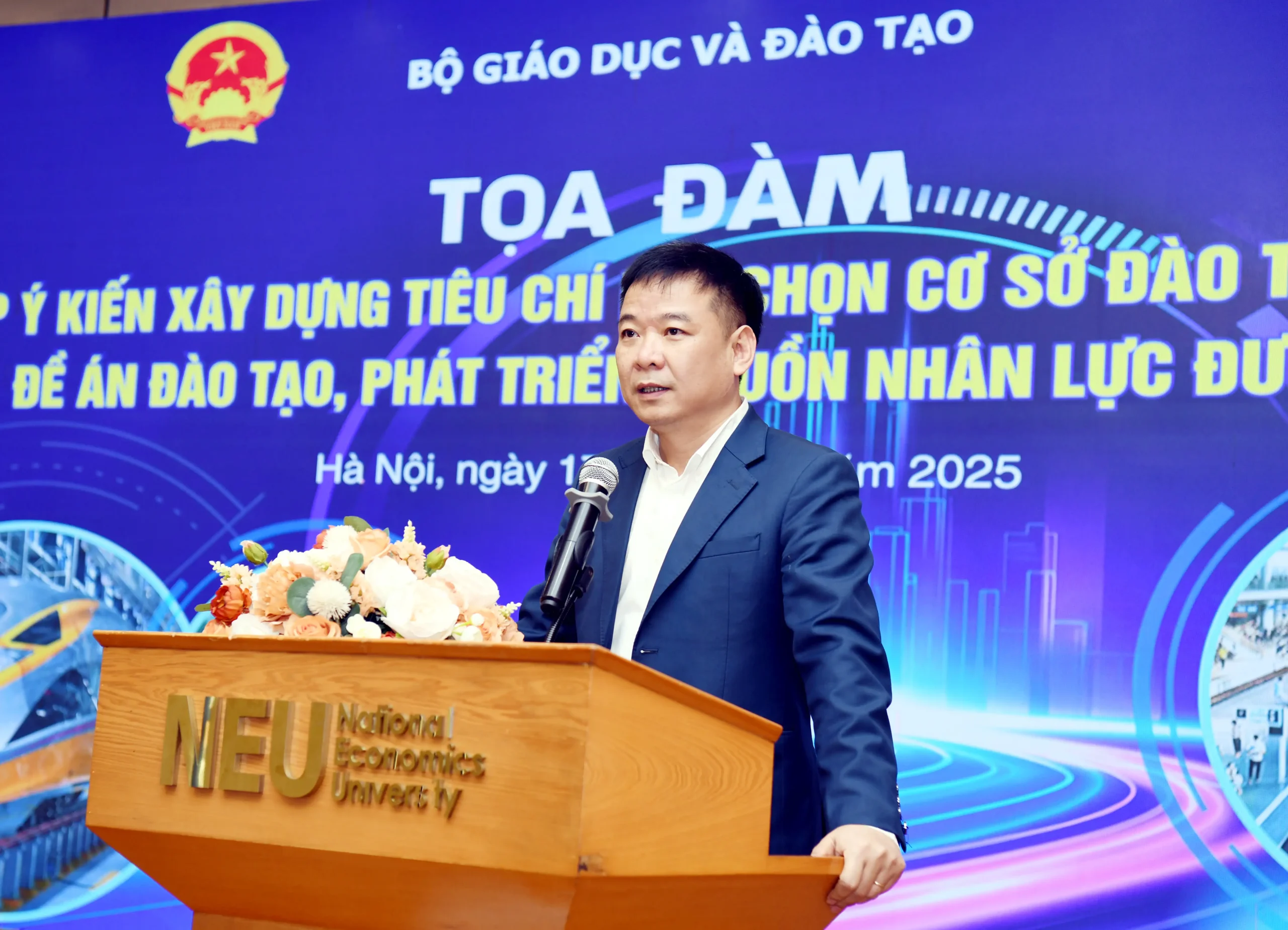
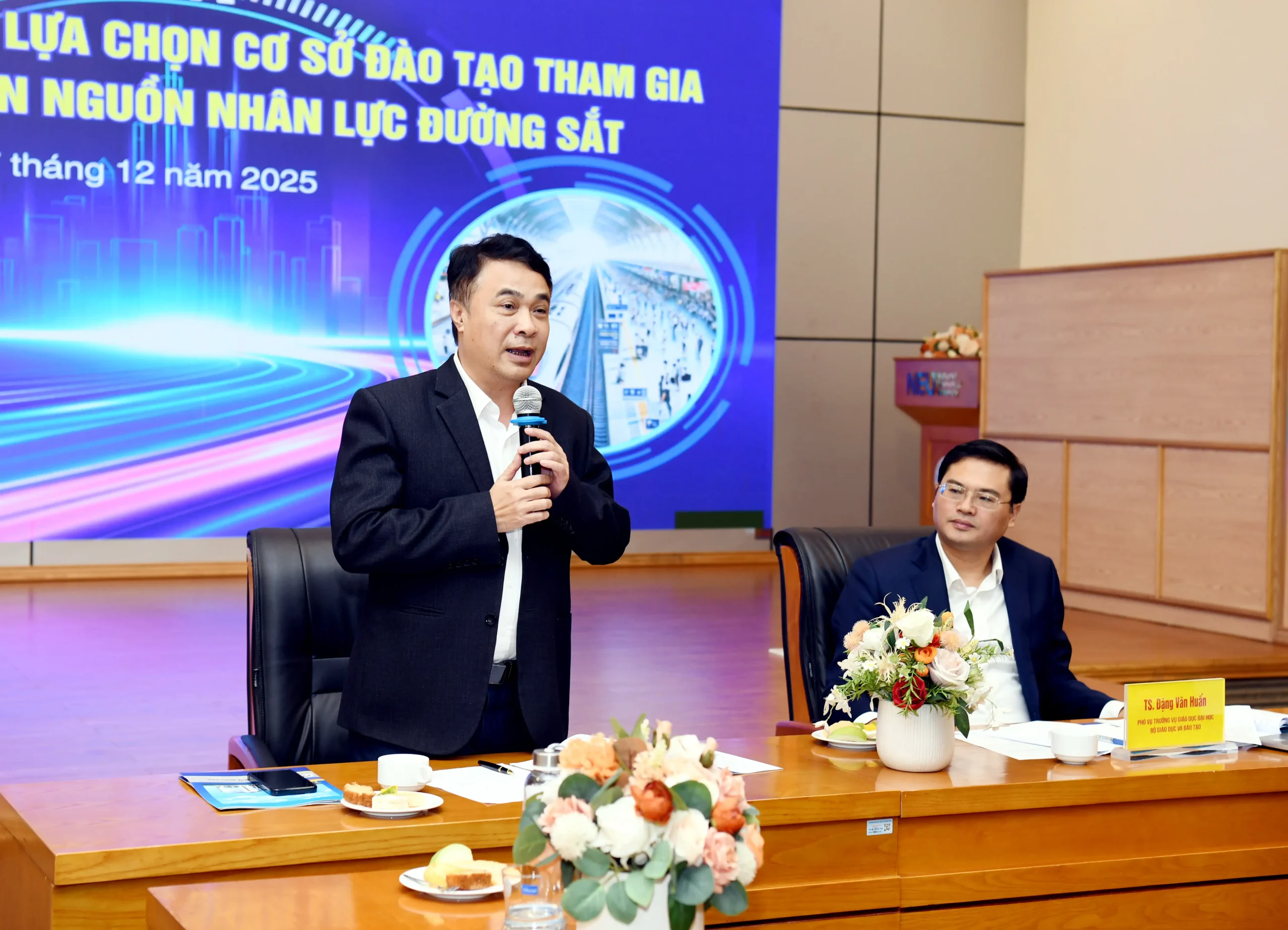
Assoc. Prof. Dr. Bui Huy Nhuong, President of NEU, delivers remarks
Speaking at the seminar, Assoc. Prof. Dr. Bui Huy Nhuong, President of NEU, said he was honored that the Ministry of Education and Training had entrusted the University with hosting the event. He also emphasized the event’s practical significance for the mission of training a high-quality workforce for the country.
According to Assoc. Prof. Dr. Bui Huy Nhuong, developing criteria for selecting training institutions to participate in the Railway Workforce Training and Development Project is a task of strategic significance, closely linked to socioeconomic development goals for the coming period, particularly as Vietnam prepares to implement high-speed railway projects and key transportation infrastructure projects.
The President of NEU expressed confidence that the ideas exchanged at the seminar would make practical contributions to finalizing the criteria for selecting training institutions with sufficient capacity to participate in the Project and undertake the role of training a highly qualified workforce for Vietnam’s railway sector.
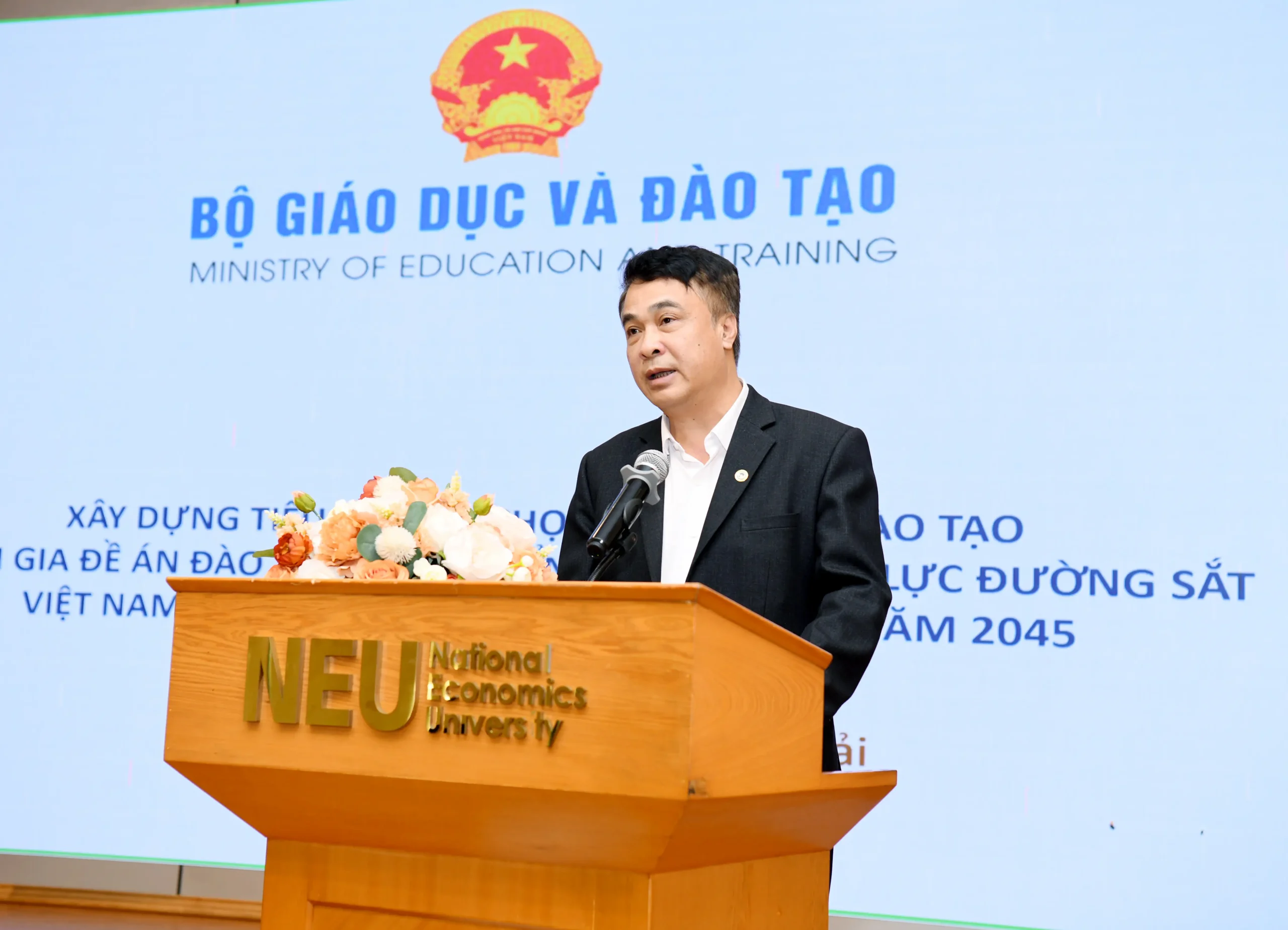
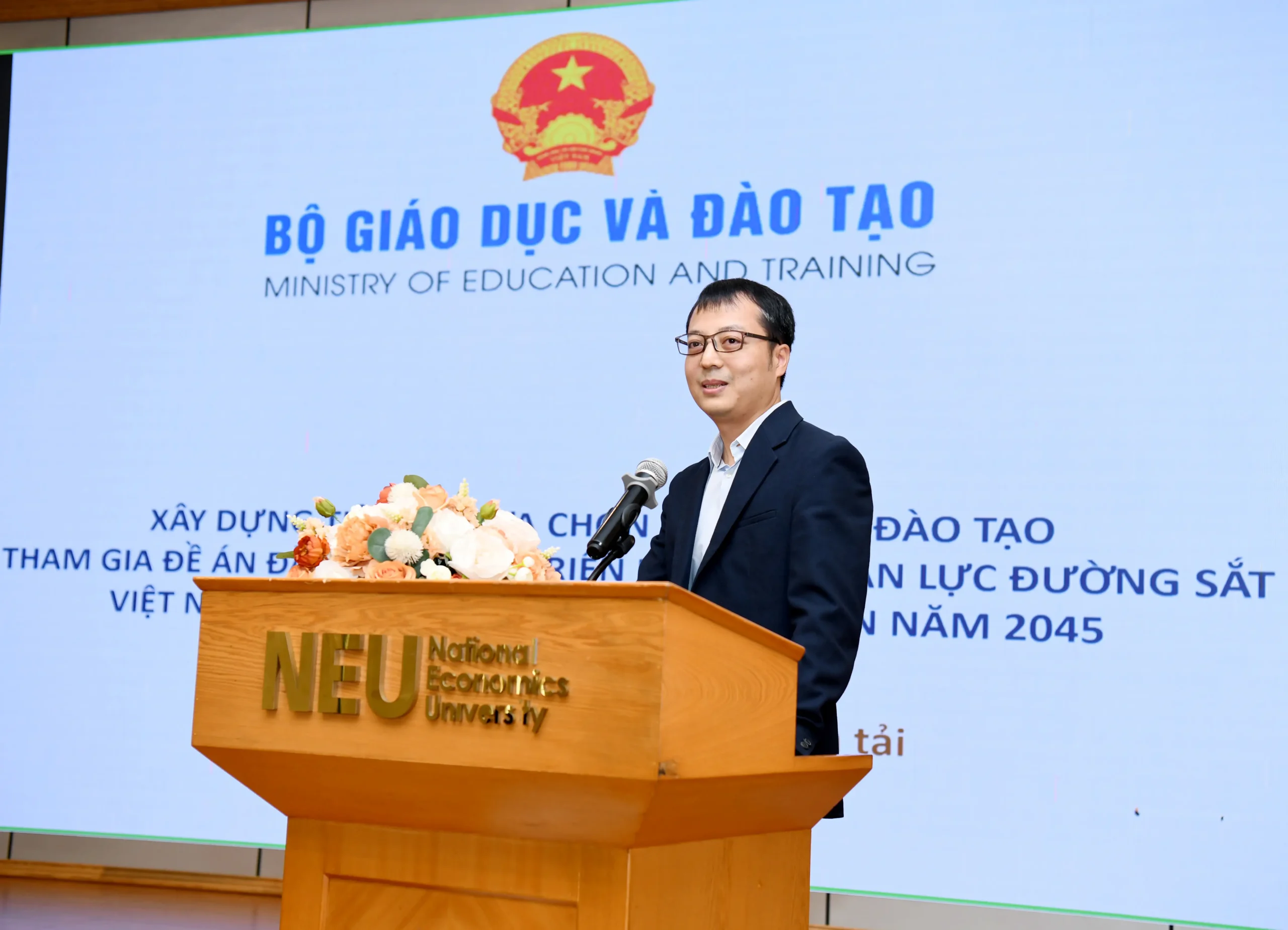
A representative of the University of Transport and Communications presents the draft criteria for selecting higher education institutions to participate in the Railway Workforce Training and Development Project
As Vietnam enters a new stage of development that requires accelerated modernization of transportation infrastructure, the railway sector faces strategic changes. Key projects, including the North–South high-speed railway and urban railway lines in Hanoi and Ho Chi Minh City, along with the roadmap for electrifying and making the national railway network smarter, are being prepared and implemented, creating an urgent need to develop a high-quality workforce for the sector.
However, railway workforce training still faces many limitations. There are few higher education institutions and institutions offering specialized railway training, and many technical universities have yet to establish formal degree programs or specializations. Links among training, research, businesses, and operational practice have not been established in a coordinated manner. In addition, highly qualified lecturers and experts remain in short supply, laboratory and simulation facilities do not meet requirements, and academic programs standardized according to international models remain limited. In particular, there is currently no unified set of criteria for selecting higher education institutions with sufficient capacity to train railway personnel under the training commissioning mechanism of the Government and ministries and sectoral authorities.
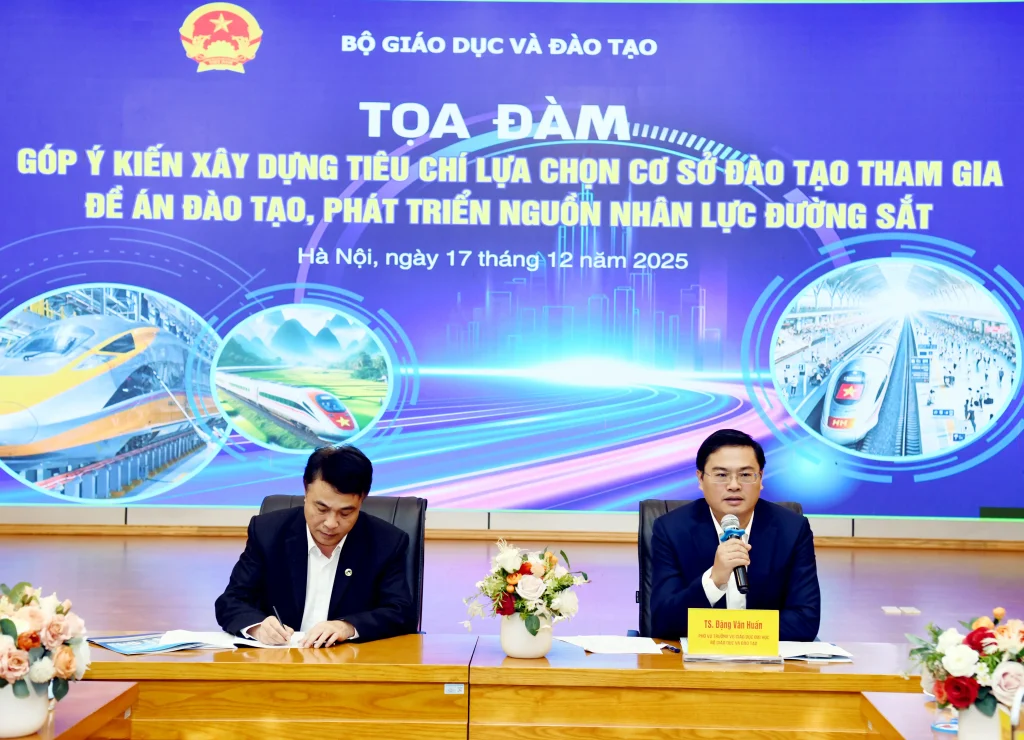
The presiding panel moderates the discussion session at the seminar
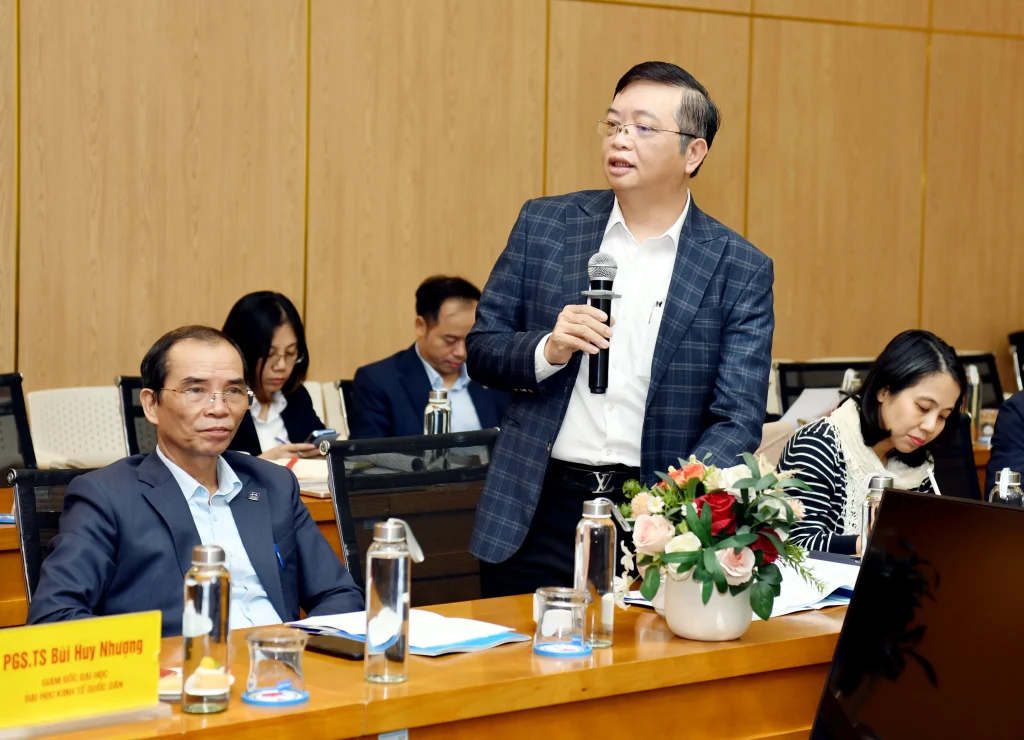

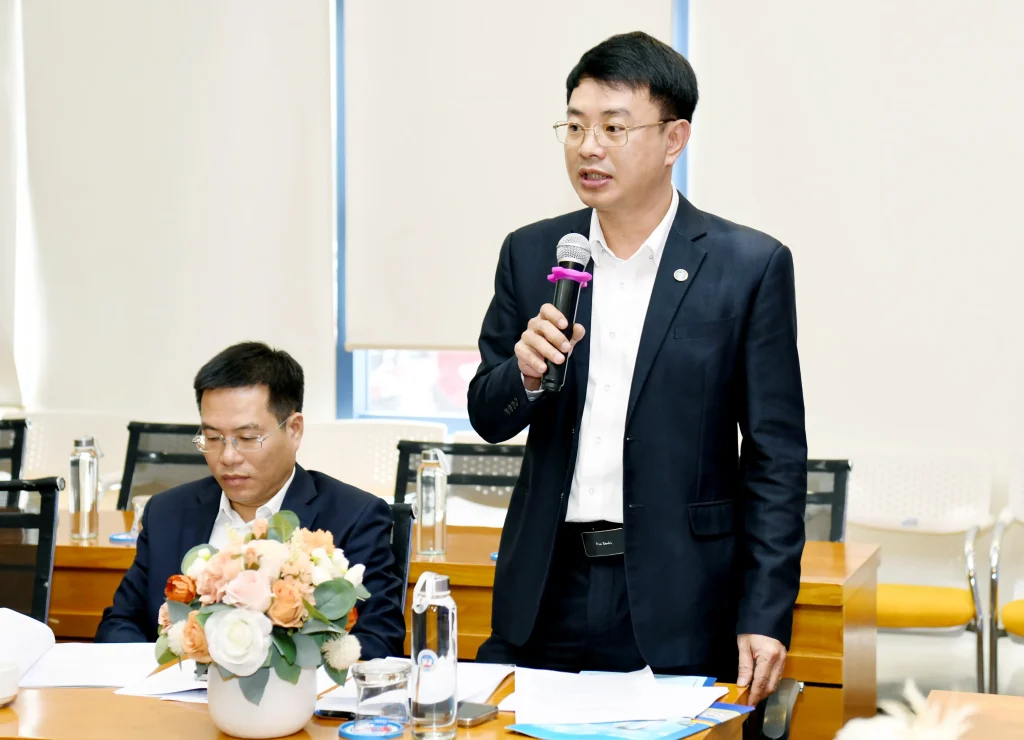
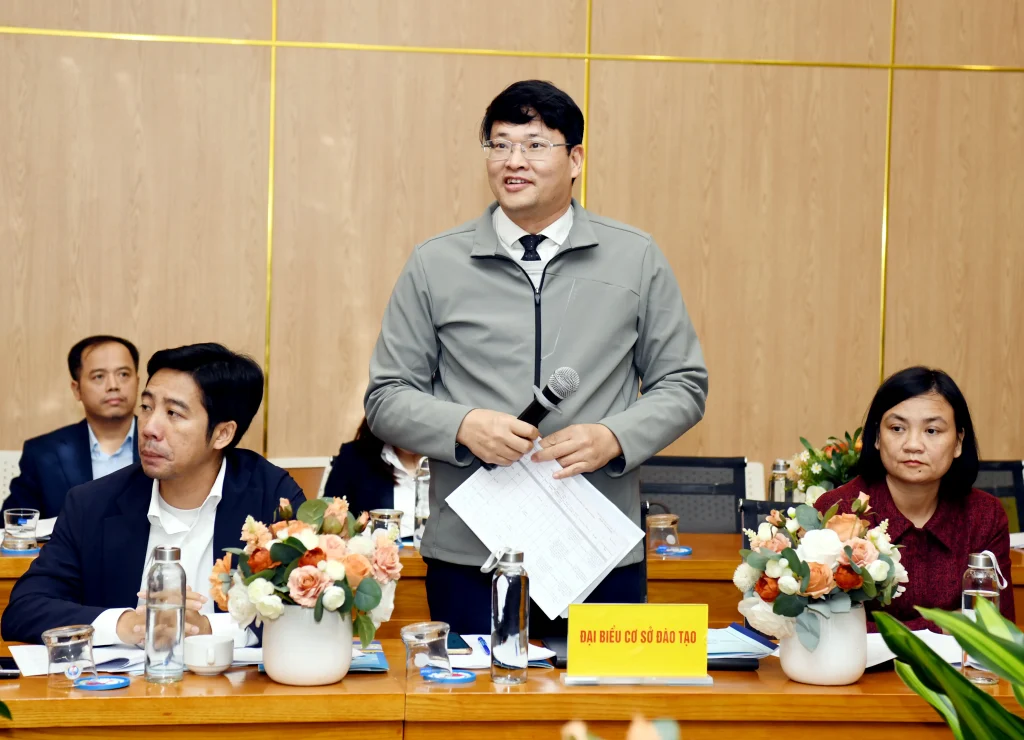

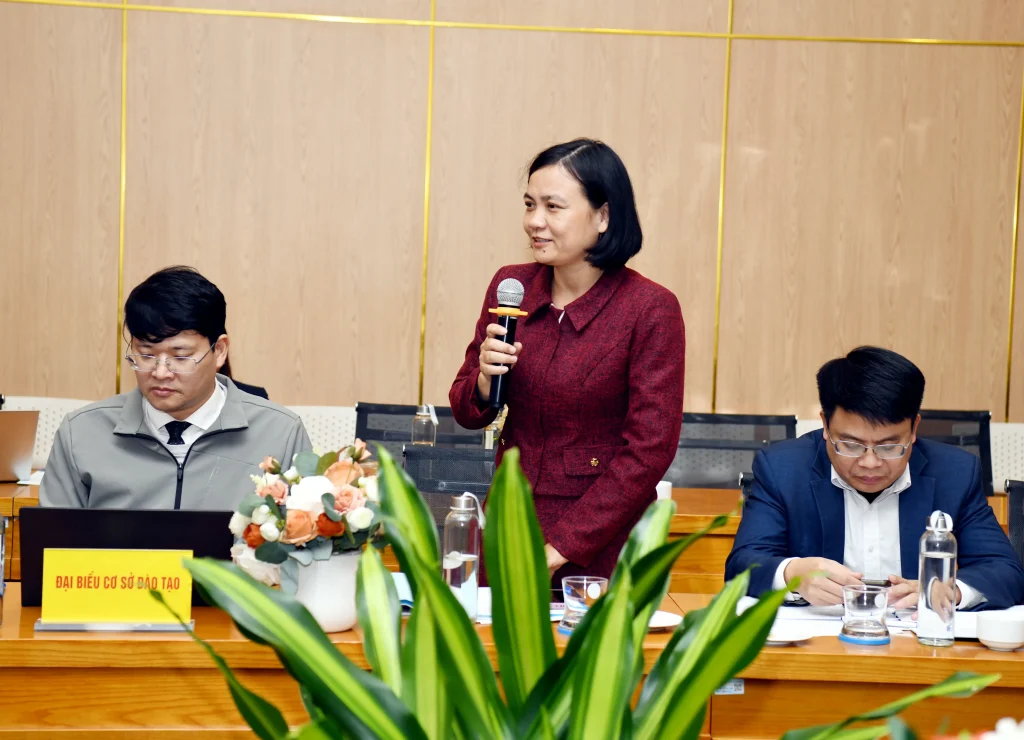
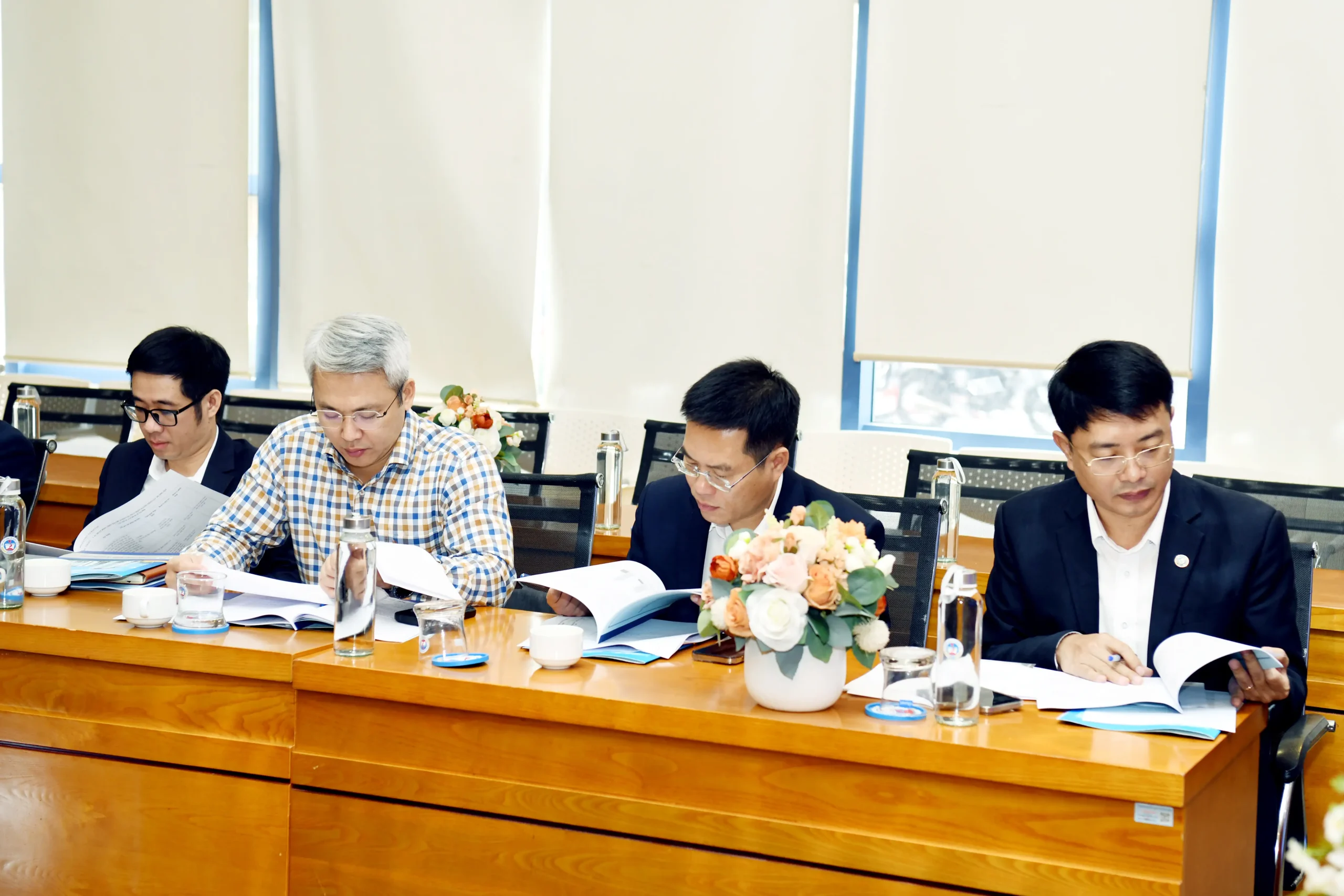
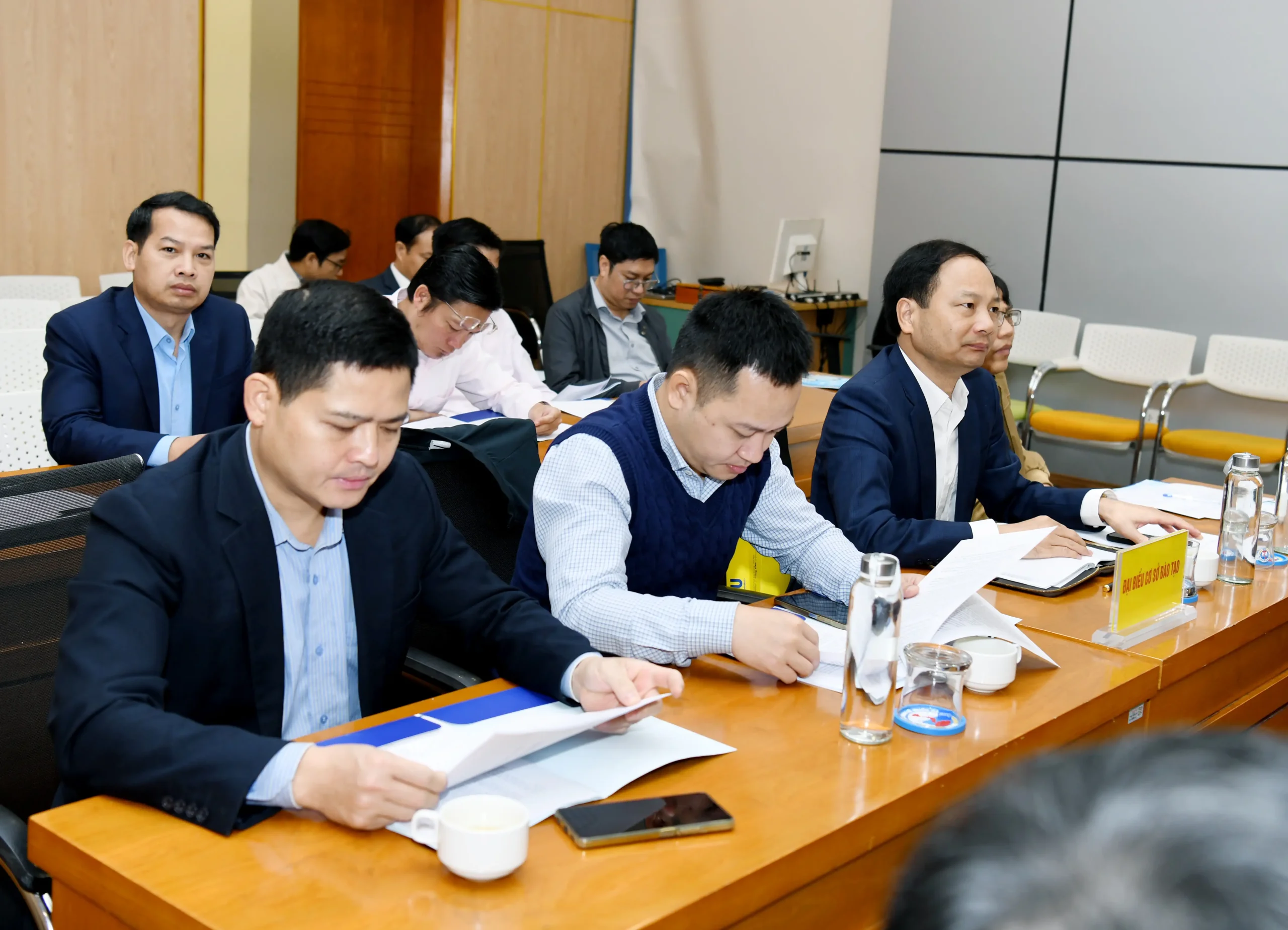
Delegates discuss and contribute feedback on the draft criteria
Meanwhile, as investment in key national railway projects progresses, the sector’s workforce demand is forecast to rise sharply in the coming years, especially for specialized technical positions. According to the Project for Training and Developing Vietnam’s Railway Workforce through 2035, with a Vision toward 2045, approved under Decision No. 2230/QĐ-TTg dated October 9, 2025, the future railway labor market will require a large number of highly qualified personnel capable of mastering digital technology, simulation, automation, and modern signaling and control systems.
In practice, many regulatory agencies, businesses, and railway project management boards have expressed a need to commission training directly for design, operation, management, and maintenance engineers, as well as research and development (R&D) personnel. This creates an urgent need to identify and select higher education institutions with sufficient capacity to undertake railway workforce training in a structured, systematic manner with a long-term strategic focus.
However, the absence of a project clearly defining standards for selecting training institutions has left the commissioning of railway workforce training fragmented, without a unified mechanism, making it difficult to ensure training quality and the efficient use of public funds. Developing a project to select higher education institutions with sufficient capacity to train the railway workforce is therefore essential and consistent with new legal regulations, the transportation sector development strategy, policy directions for digital transformation and a green economy, and the roadmap for international integration.
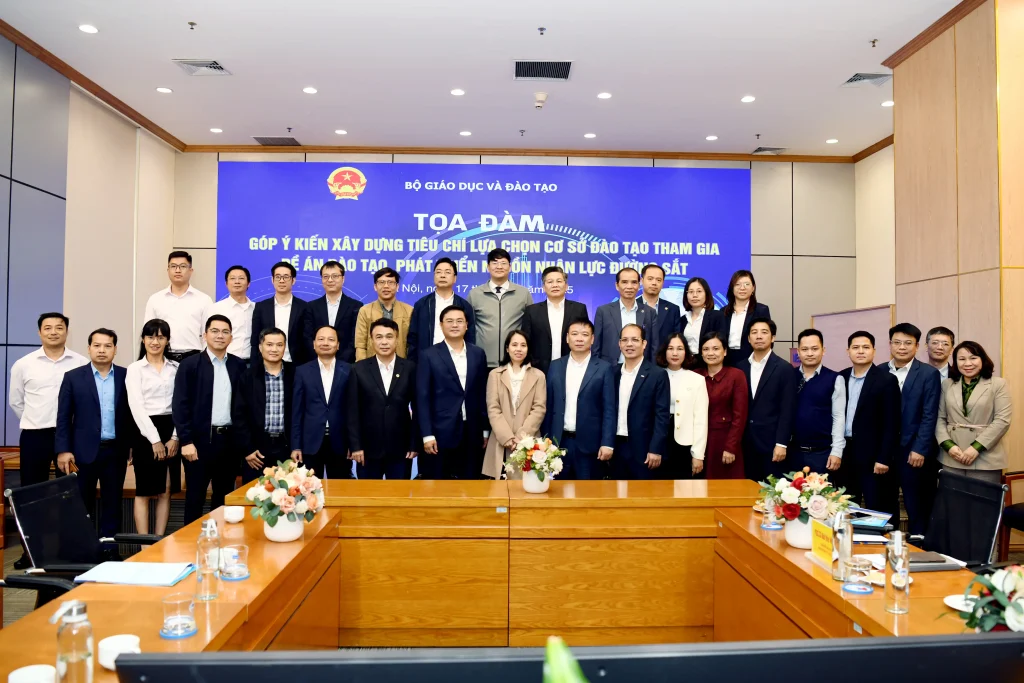
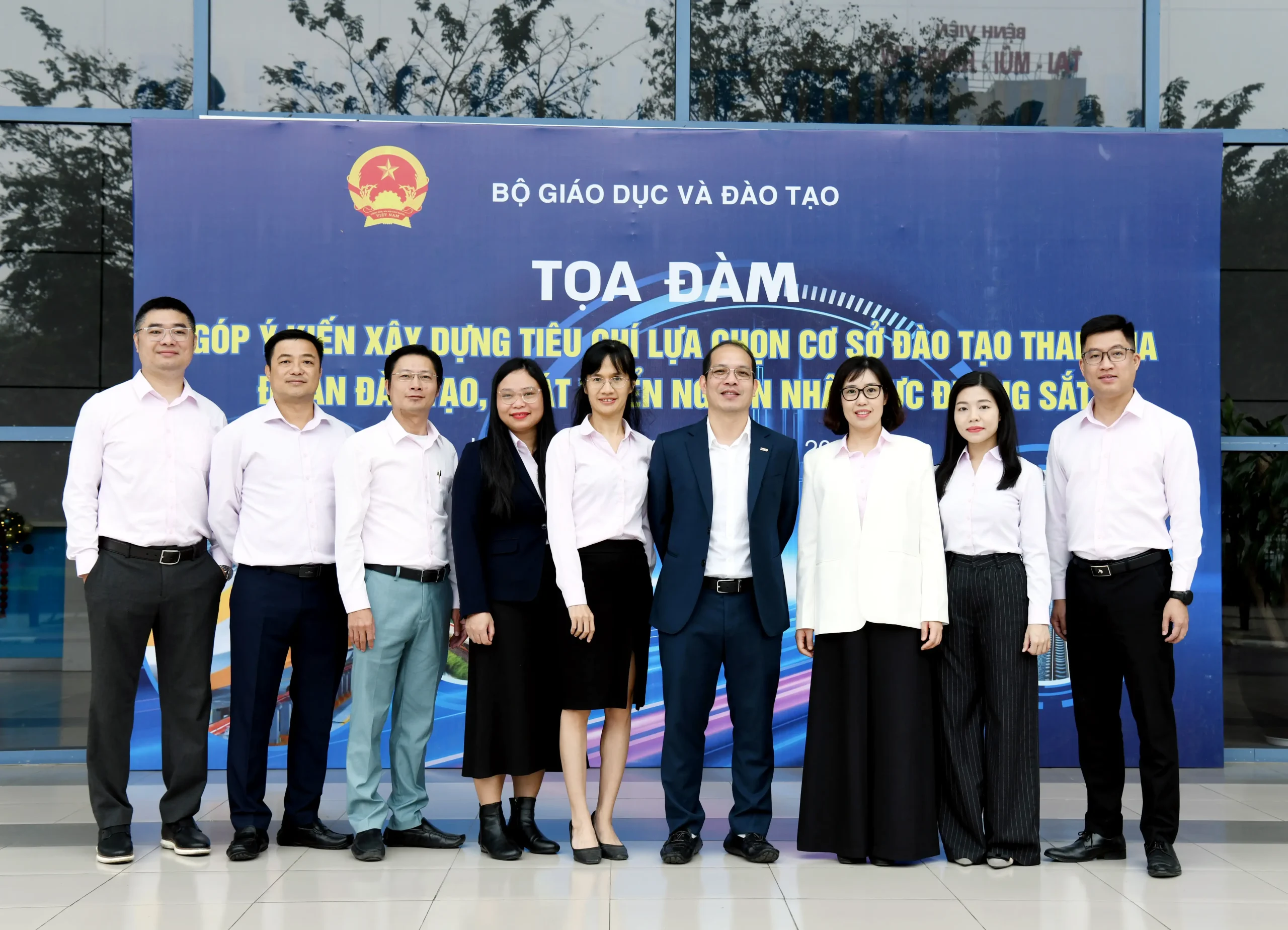
Delegates attending the seminar pose for a commemorative group photo
Issuing criteria for selecting training institutions to participate in the Project will provide an important foundation for establishing a network of key railway training institutions capable of effectively undertaking training, scientific research, and technology transfer. It will also help establish a transparent training commissioning mechanism based on each institution’s actual capacity, ensuring appropriate and efficient resource allocation. The Project will also promote close links among educational institutions, businesses, and regulatory agencies in line with international models, encouraging higher education institutions to invest in developing disciplines, build a team of highly qualified lecturers, upgrade laboratories, implement digital simulation programs, and establish an innovation ecosystem to support the sustainable development of Vietnam’s railway sector.
Additional photos from the workshop:


Article and photos: Department of Communications
This is an automated translation. If you notice any errors, please contact the Department of Communications, National Economics University at phongtruyenthong@neu.edu.vn.