Turning Class Time into a Stage for Knowledge: A Fresh Approach to Teaching International Economics at NEU
21/04/2025 2025-04-21 9:09Turning Class Time into a Stage for Knowledge: A Fresh Approach to Teaching International Economics at NEU
Turning Class Time into a Stage for Knowledge: A Fresh Approach to Teaching International Economics at NEU
With nearly 70 years of development, the School of Trade and International Economics at National Economics University (NEU) takes pride not only in its long-standing traditions but also in its standing as one of the leading, well-regarded educational units. Known for its in-depth education and impressive achievements, the School has consistently pioneered innovation and creativity in teaching methods to meet the demands of the times.
Moving away from the traditional teaching model, in which information flows primarily in one direction from lecturers to students, the School of Trade and International Economics has boldly introduced and promoted active learning. This model places students at the center, encouraging them to research and explore knowledge independently before class. Lecturers serve as guides, supporters, and advisers, creating conditions for students to develop their thinking and critical reasoning abilities to the fullest. This shift not only sparks enthusiasm for learning but also significantly enhances students’ autonomy and their ability to absorb knowledge effectively.
Assoc. Prof. Dr. Nguyen Xuan Hung, Chief of Office of the School of Trade and International Economics, is one of the exemplary lecturers committed to applying innovative teaching methods. His International Economics 2 classes with International Economics Class 65B provide vivid evidence of the effectiveness of this approach. Here, academic knowledge is no longer dry but is brought to the stage in creative and engaging ways.
A typical session involved more than 60 students divided into 12 presentation groups. With dedicated guidance from Assoc. Prof. Dr. Nguyen Xuan Hung, each group turned its presentation in each class into a “miniature stage,” offering creative performances ranging from plays and simulated game shows to topical talk shows. These varied and humorous formats still conveyed the course’s core content accurately and fully, while skillfully incorporating real-world issues to help students make connections and remember what they learned.
The creativity of students in International Economics Class 65B was evident in a diverse range of topics and distinctive approaches:
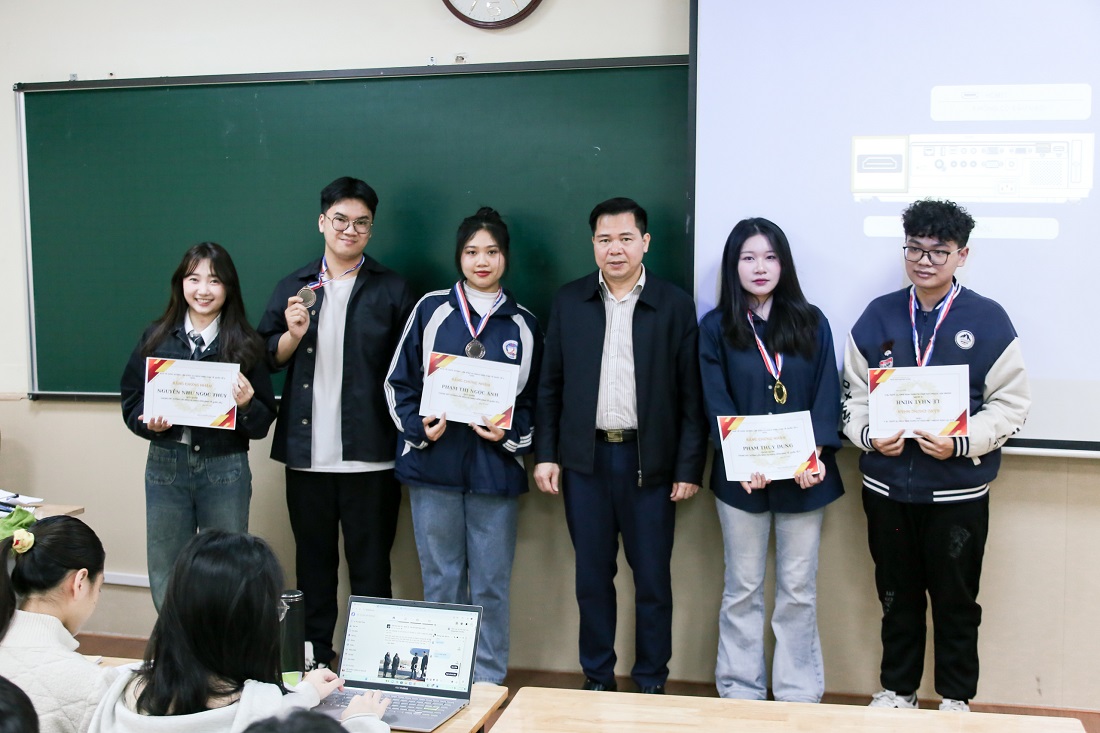
Group One: Recreated the final of “Road to Mount Olympia” to analyze the balance of payments (BOP).
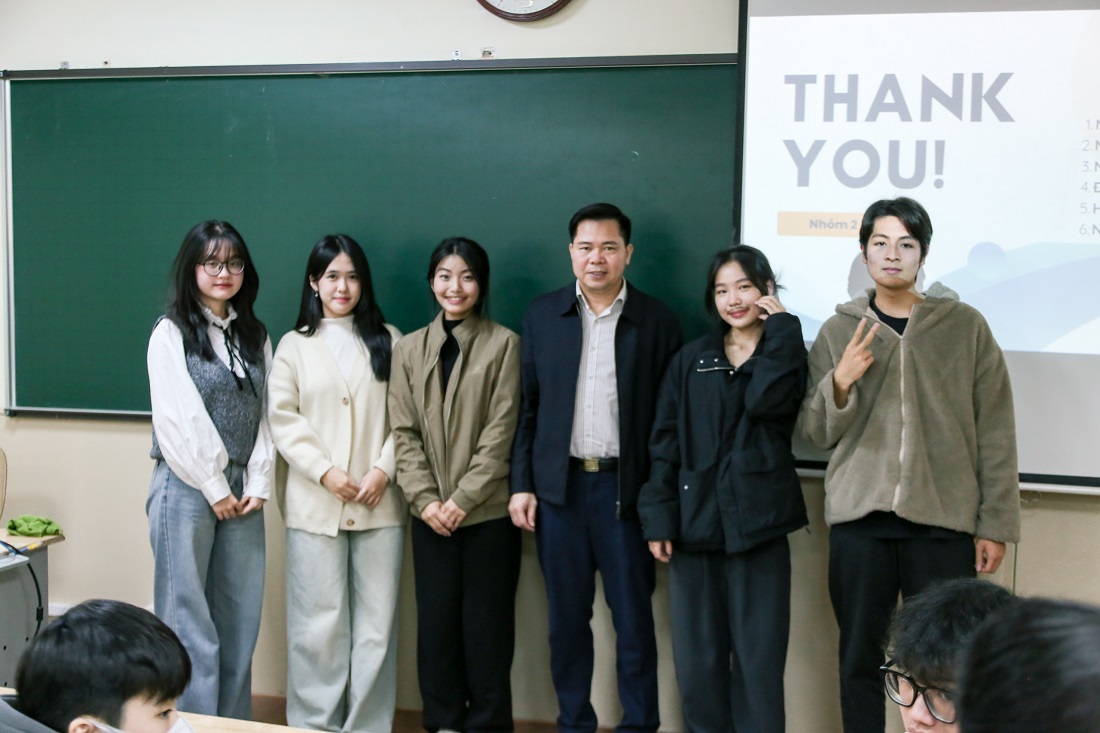
Group Two: Used a story about giving lucky money during Tet as the setting for a discussion of exchange rates in Vietnam.
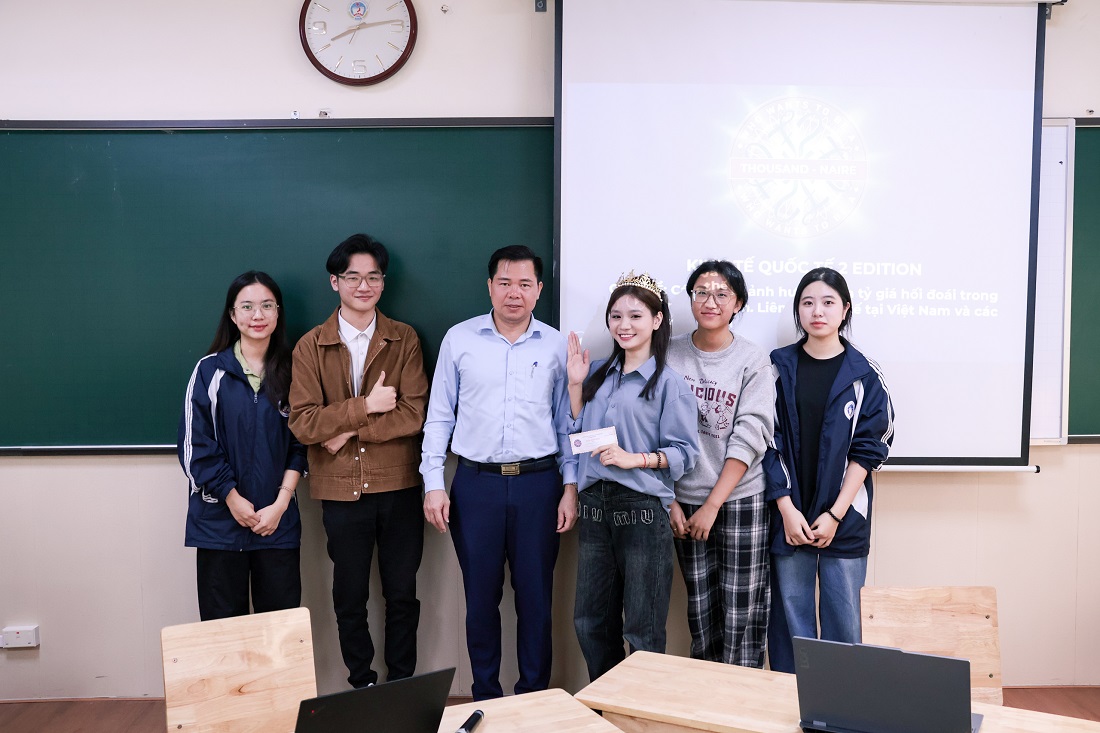
Group Three: Simulated the game show “Who Wants to Be a Millionaire?” to clarify the factors affecting exchange rates.
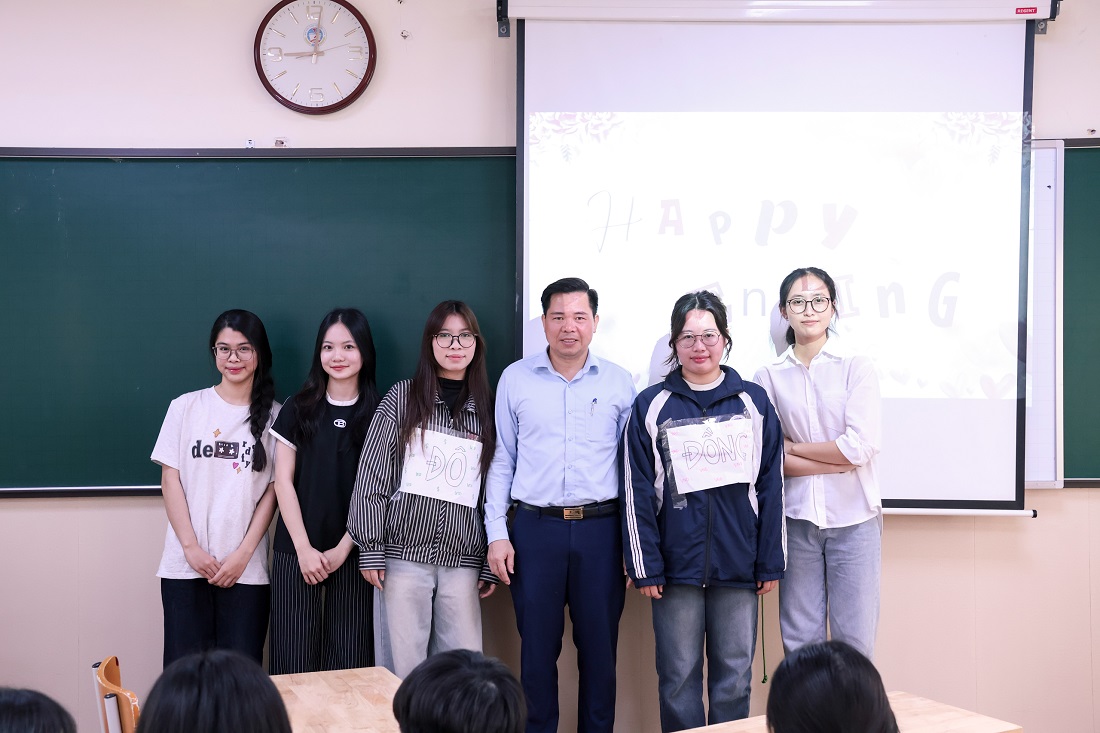
Group Four: Staged the play “The Exchange Rate Family’s Argument” to explain exchange rate fluctuations visually.
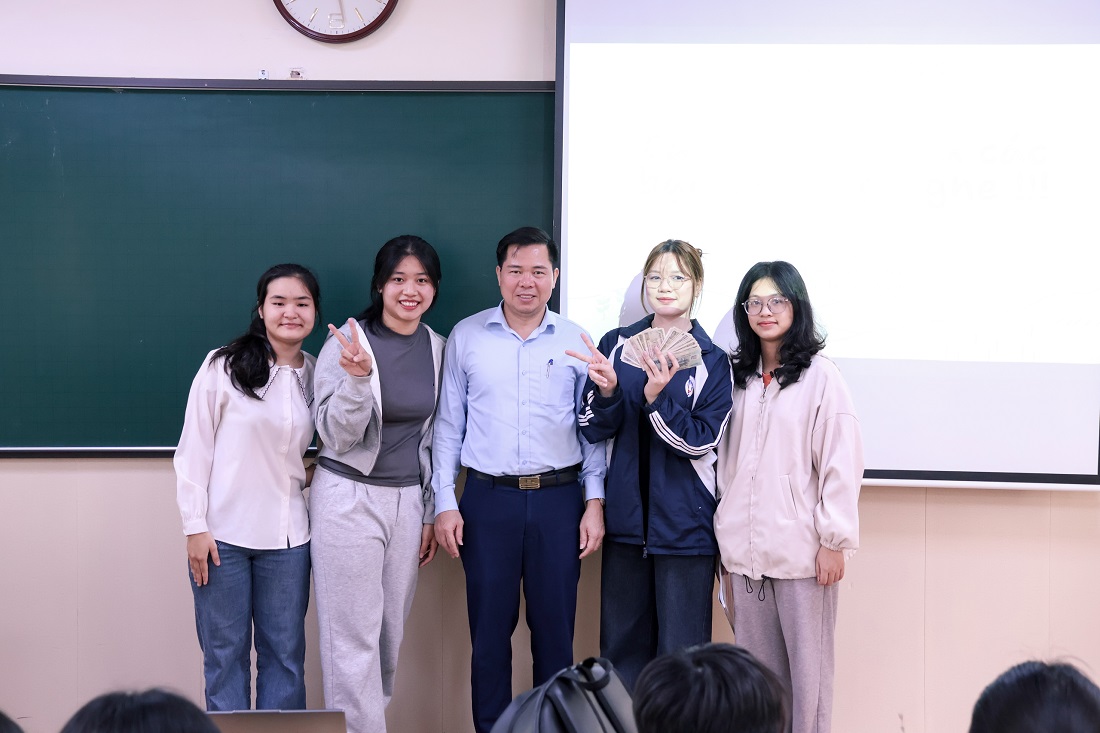
Group Five: Presented the humorous sketch “Pu and Chai – The Price of FOREX” to analyze Vietnam’s foreign exchange market.

Group Six: Used the script “Eating Starfruit: Repay with Gold or Paper Money?” to highlight the roles of gold and paper money in the international monetary system.
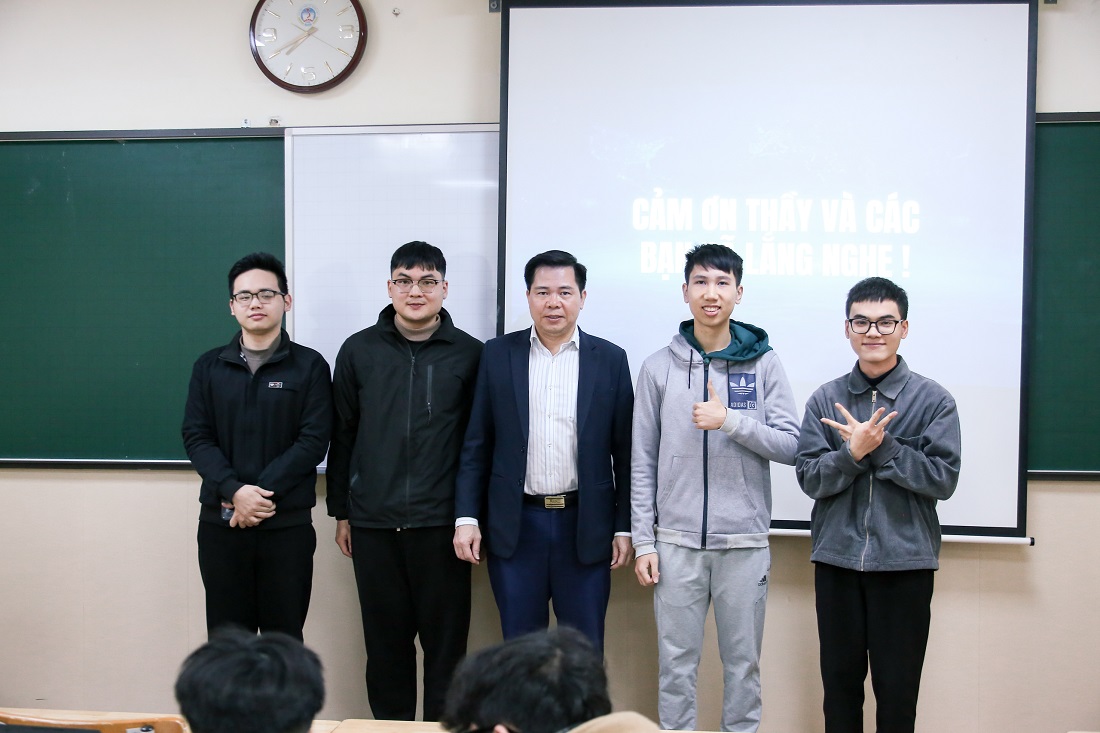
Group Seven: Organized the talk show “COME OUT,” set against the backdrop of the COVID-19 pandemic, to discuss the role and functions of the International Monetary Fund (IMF).

Group Eight: Developed a script about using AI in learning to introduce international economic integration and the CPTPP Agreement.
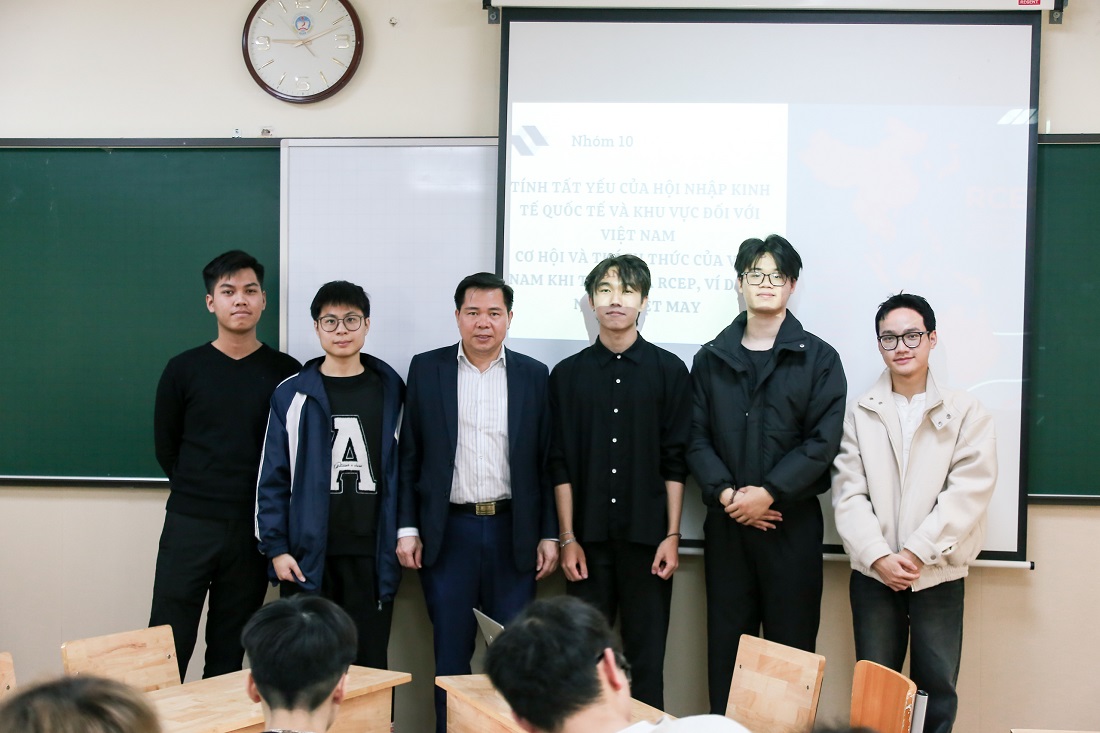
Group Nine: Presented a play about the relationship among Laos, Vietnam, and the AEC to illustrate the process of regional integration.
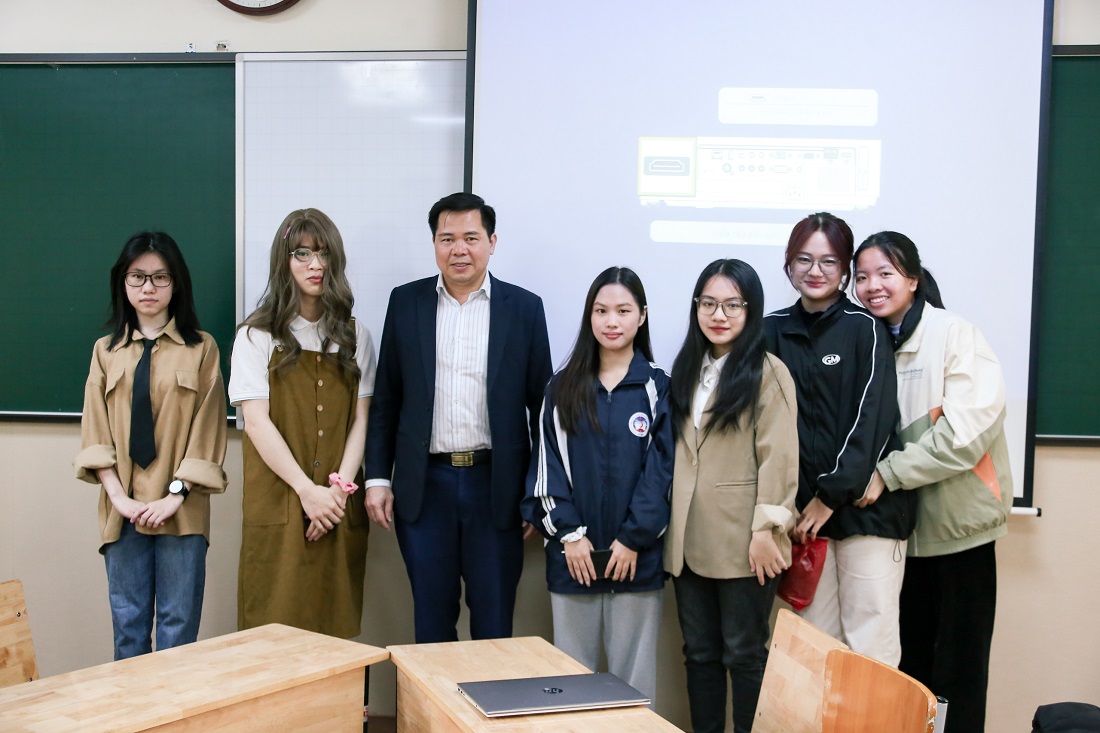
Group 10: Created a play about “choosing a son-in-law” to explain the inevitability of integration and introduce the RCEP Agreement.
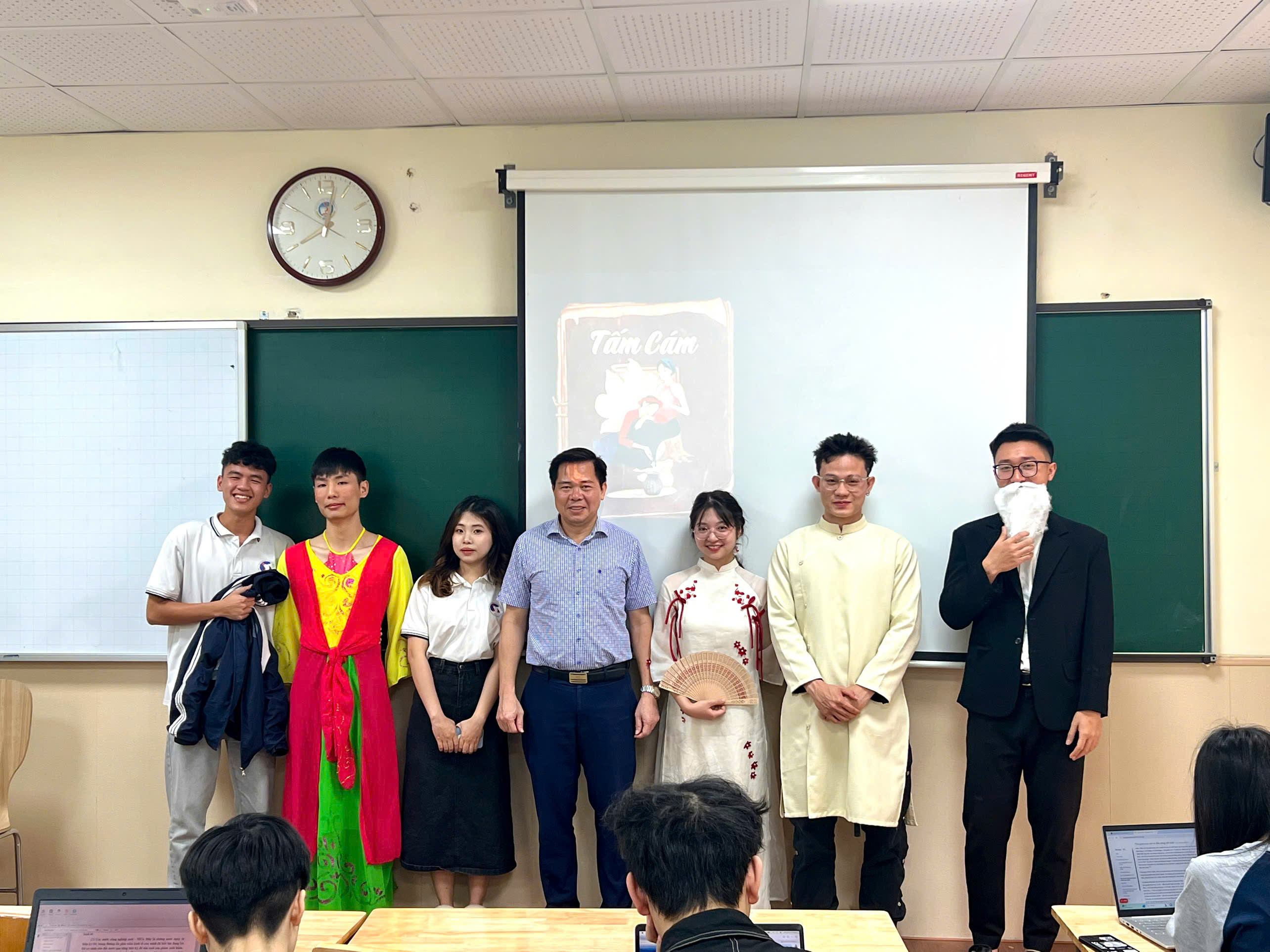
Group 11: Adapted the fairy tale “Tam and Cam” to analyze the differences between traditional FTAs and new-generation FTAs (EVFTA, CPTPP).
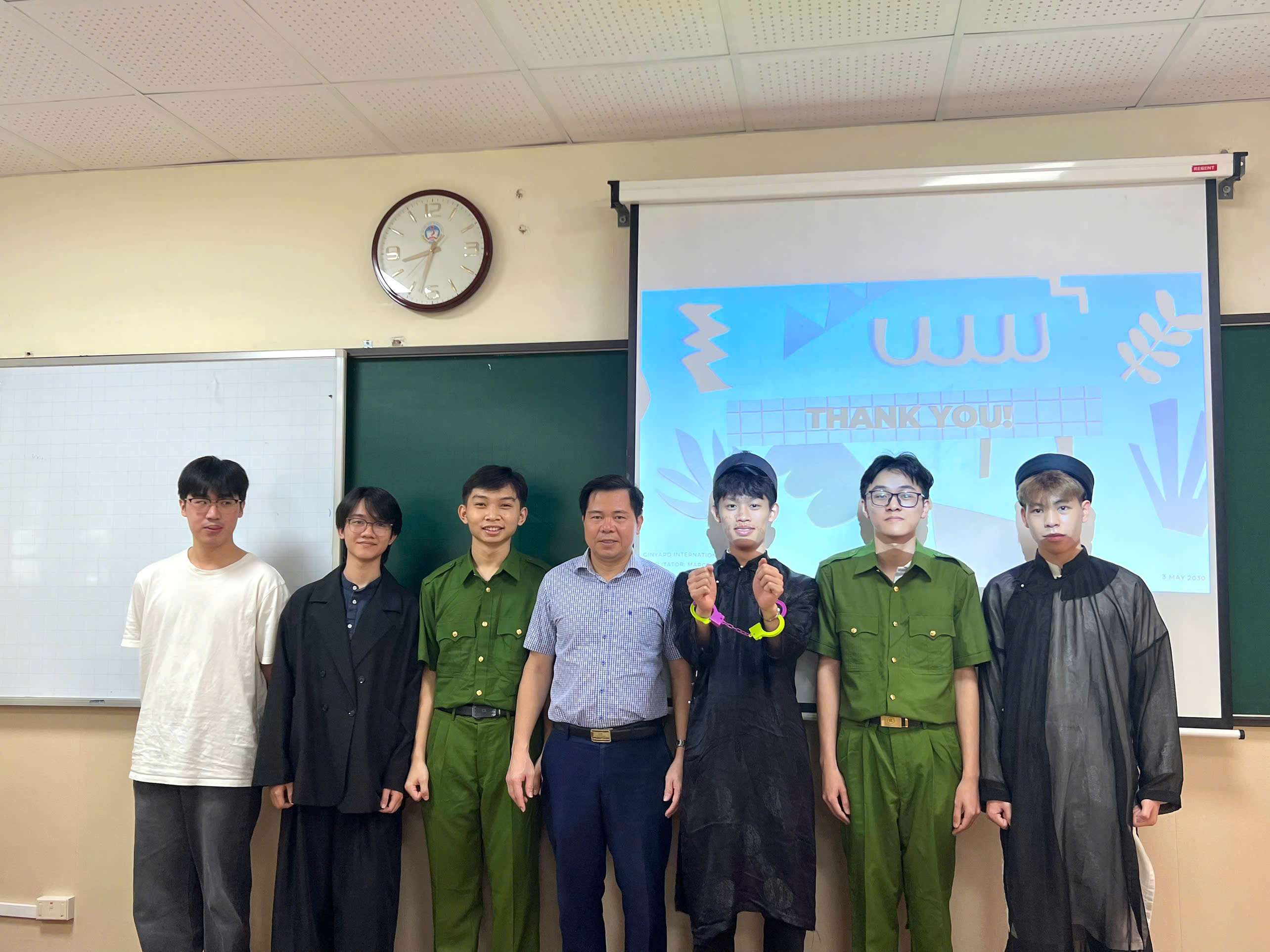
Group 12: Used “fortune-telling and rituals to ward off misfortune” to analyze the impact of the ATIGA Agreement on Vietnam and ASEAN.
These distinctive classes not only help students develop a deep understanding of specialized knowledge in an engaging way but also provide an ideal environment for practicing and strengthening important soft skills, including presentation, teamwork, critical thinking, problem-solving, and, especially, creative thinking. Assoc. Prof. Dr. Nguyen Xuan Hung’s interactive participation, at times even joining students in “role-playing,” makes the classroom atmosphere even more open, lively, and inspiring.
The innovative and creative teaching methods being implemented at the School of Trade and International Economics demonstrate a significant shift in the educational thinking of the School in particular and NEU as a whole. This affirms their commitment to pursuing a modern educational philosophy that centers on learners, encourages initiative, and nurtures creativity, providing students with a solid foundation for entering the global labor market.
Article and photos: International Economics Class 65B
This is an automated translation. If you notice any errors, please contact the Department of Communications, National Economics University at phongtruyenthong@neu.edu.vn.