
International Scientific Conference: Policies for Developing and Managing a Digital Society: Theory and Practice in Selected Countries
28/11/2025 2025-11-28 12:30International Scientific Conference: Policies for Developing and Managing a Digital Society: Theory and Practice in Selected Countries
International Scientific Conference: Policies for Developing and Managing a Digital Society: Theory and Practice in Selected Countries
On November 28, 2025, National Economics University (NEU), together with Trade Union University; the Institute of Innovation and Digital Transformation, University of Finance – Marketing, Ministry of Finance; the Institute of Policy, Innovation and Interdisciplinary Science, University of Social Sciences and Humanities; the Institute for Demographic Research under the Center for Sociological Research of the Russian Federation, Russian Academy of Sciences; and Q University Kazakhstan, co-organized the international scientific conference “Policies for Developing and Managing a Digital Society: Theory and Practice in Selected Countries.”
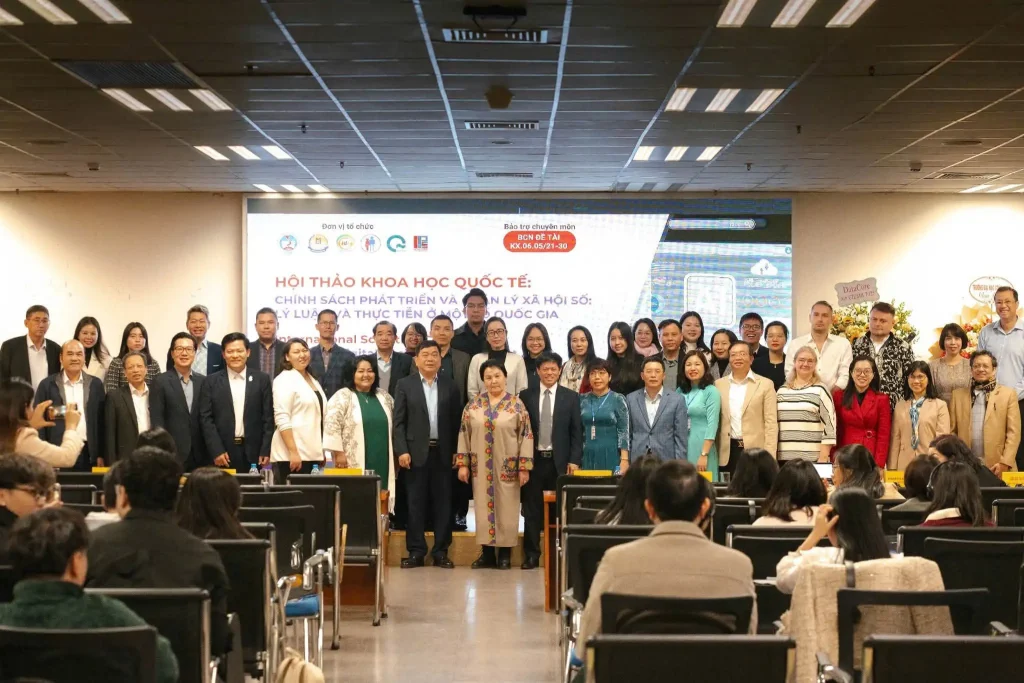
Conference delegates pose for a group photo.
As global digital transformation fundamentally changes every aspect of socioeconomic life, the formation and development of a digital society have become an inevitable trend, closely linked to countries’ sustainable development strategies. The rapid development of digital technology not only creates tremendous opportunities for economic growth, public governance, and innovation, but also raises new theoretical and practical issues concerning management policies, social welfare, equity, and human development in the digital space.
The international scientific conference “Policies for Developing and Managing a Digital Society: Theory and Practice in Selected Countries” was held to exchange, discuss, and share research findings and international experience in formulating and implementing policies for developing and managing a digital society, and to offer policy recommendations for Vietnam. The conference was also part of the key national-level research project KX.06.05/21-30, “Policies for Developing and Managing a Digital Society: International Experience and Implications for Vietnam,” led by NEU, with Assoc. Prof. Dr. Do Huong Lan as principal investigator.
Representing NEU at the conference were Prof. Dr. Tran Tho Dat, Chair of the University’s Scientific Council; Prof. Dr. Le Quoc Hoi, Co-Director of CFVG and Chair of the NAFOSTED Economics Council; Prof. Dr. Ta Van Loi, Rector of the College of Business; representatives of the leaders of University units; and University faculty and staff.
Representing Trade Union University were Assoc. Prof. Dr. Nguyen Hiep Thuong, Vice Rector, and Assoc. Prof. Dr. Vu Thi Kim Oanh, Head of the Department of Research Management. Representing the co-organizing agencies and other organizations were Prof. Dr. Hoang Khac Nam, Director of the National Science and Technology Program KX.06/21-30, and Assoc. Prof. Dr. Do Huong Lan, Director of the Institute of Innovation and Digital Transformation, University of Finance – Marketing, and the project’s principal investigator.
The conference also welcomed 10 foreign scholars from the Russian Federation, Kazakhstan, and Thailand, including Assoc. Prof. Dr. Marina Khramova, Director of the Institute for Demographic Research, Russian Academy of Sciences; Prof. Dr. Sergei Riazantsev, Corresponding Member of the Russian Academy of Sciences and Professor at Mahidol University; Prof. Dr. Lazat S. Spankulova, Al-Farabi Kazakh National University; Dr. Rashid K. Kerimbayev, Al-Farabi Kazakh National University; Dr. Yessetova Saltanat, Dr. Yerezhepkyzy Roza, and doctoral student Imangaziyev Tair, Q. University, Kazakhstan; and doctoral student Nikita Riazantsev from Mahidol University. Speakers and scholars from universities in the Hanoi area also attended.
The conference attracted more than 100 domestic and foreign experts and scholars, with more than 130 quality papers published in the proceedings, covering aspects of development and digital society, from theory to practice.

Prof. Dr. Tran Tho Dat, Chair of the Scientific and Academic Council, NEU, delivers remarks.
In his opening remarks, Prof. Dr. Tran Tho Dat, Chair of the Scientific and Academic Council, NEU, and a member of the Economics Professorial Council, emphasized that amid comprehensive digital transformation, developing a digital society has become an inevitable trend, closely linked to socioeconomic reform, stronger national governance capacity, and the promotion of sustainable development. Vietnam is vigorously implementing its National Digital Transformation Strategy, aiming to build a digital government, digital economy, and digital society as key pillars of the country’s modernization.
According to Prof. Dr. Tran Tho Dat, a digital society is not solely a matter of technology, but also involves society, institutions, governance, and social welfare, requiring a multidisciplinary, evidence-based approach informed by international experience. A sound understanding of the nature of digital society and the identification of an appropriate management model will provide the foundation for Vietnam to achieve its development goals in the new period.

Assoc. Prof. Dr. Nguyen Hiep Thuong, Vice Rector of Trade Union University, delivers remarks.
Sharing this view, Assoc. Prof. Dr. Nguyen Hiep Thuong, Vice Rector of Trade Union University, observed that a digital society is not only an inevitable consequence of digitization, but also a foundation for comprehensive socioeconomic restructuring. Within that space, the digital economy, digital government, and digital citizens interact dialectically, driving sustainable growth linked to innovation.
Assoc. Prof. Dr. Nguyen Hiep Thuong also noted that the explosive growth of big data, artificial intelligence, and the Internet of Things brings numerous systemic challenges, ranging from cybersecurity and privacy protection to social equity and human welfare in the digital environment. These changes require the development of new theoretical frameworks and the introduction of more nuanced, flexible, and timely policies for cross-sector coordination.
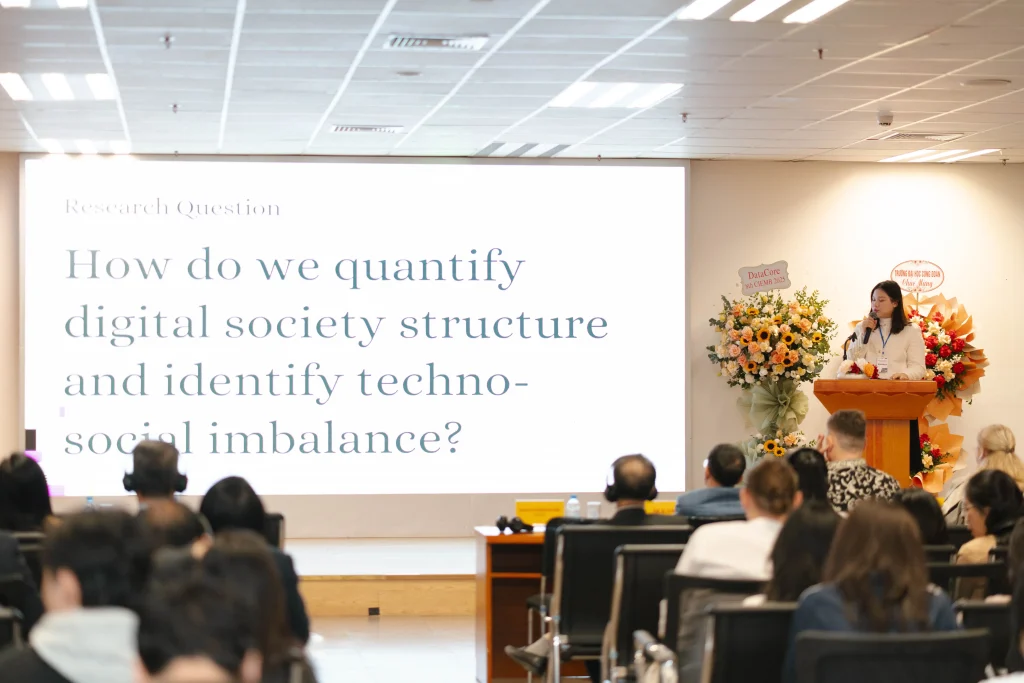
Prof. Sergei Riazantsev, Academician, Mahidol University, Thailand, presents a paper.
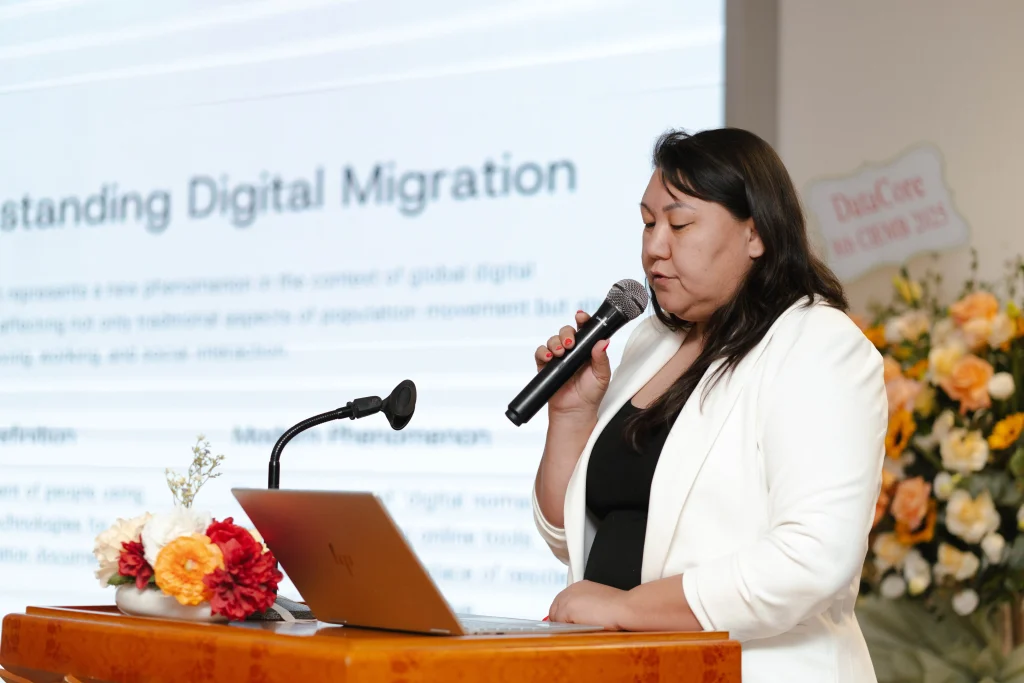
Dr. Saltanat Yessetova, Q University Kazakhstan, presents a paper.
The conference comprised two sessions focusing on theoretical foundations, applied models, and empirical studies of digital society, digital citizens, and digital migration. Throughout the discussions, scientific presentations and exchanges centered on five key themes: (1) Innovation and knowledge in a digital society: The presentations affirmed that innovation today spreads beyond territorial boundaries, creating two-way flows of knowledge that enhance economic competitiveness and growth. (2) The role of people and social capital in digital transformation: Empirical research indicates that the uptake of online public services depends heavily on community cohesion and social trust—not solely on infrastructure or technological capacity. (3) Justice administration and institutions in the digital environment: Online dispute resolution (ODR) models demonstrate that digital transformation is not simply the digitization of procedures, but a shift in governance thinking toward greater speed, transparency, and accessibility for citizens. (4) Global labor mobility and digital migration governance: The emergence of digital nomads and digital migration trends is reshaping labor mobility patterns in the digital age. To attract high-quality human resources, countries need flexible visa policies, robust digital infrastructure, and transparent data governance mechanisms. (5) Digital society management models and implications for Vietnam: International experience points to four core pillars: strategic vision, legal frameworks, data infrastructure, and human capacity. For Vietnam, the top priorities are building digital trust, improving institutions, developing human resources, and implementing inclusive digital society governance models.
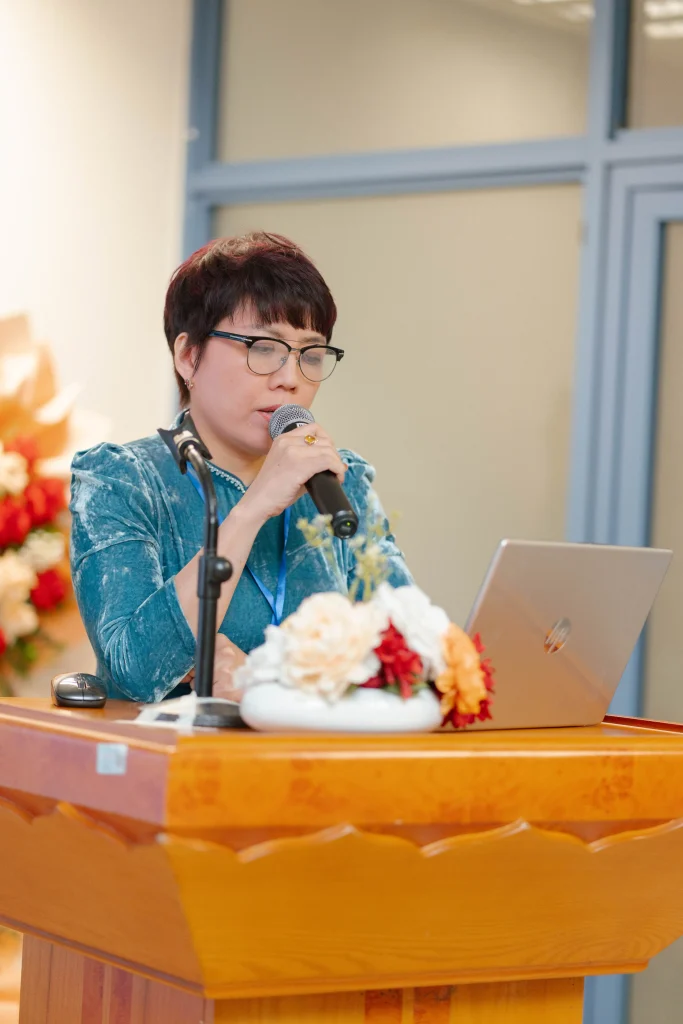
Assoc. Prof. Dr. Do Huong Lan, the project’s principal investigator, delivers closing remarks.
In her closing remarks, Assoc. Prof. Dr. Do Huong Lan, the project’s principal investigator, emphasized that the research findings and discussions at the conference had generated numerous policy insights and directions for further research in Vietnam. A consistent message emerged from the intersection of the two sessions: technology is a driving force, but people, trust, digital capabilities, and institutions are the foundations of a sustainable digital society.
According to Assoc. Prof. Dr. Do Huong Lan, a digital society is not merely a matter of technical transformation, but a comprehensive change in how people live, connect, work, create, and move. Vietnam needs to identify a strategy suited to its own context: investing substantially in digital human capital, strengthening trust in data, improving the legal system, enhancing governance capacity starting at the local level, developing digital infrastructure while ensuring cybersecurity, and proactively engaging with international trends shaping the future of digital society.
Additional photos from the conference:

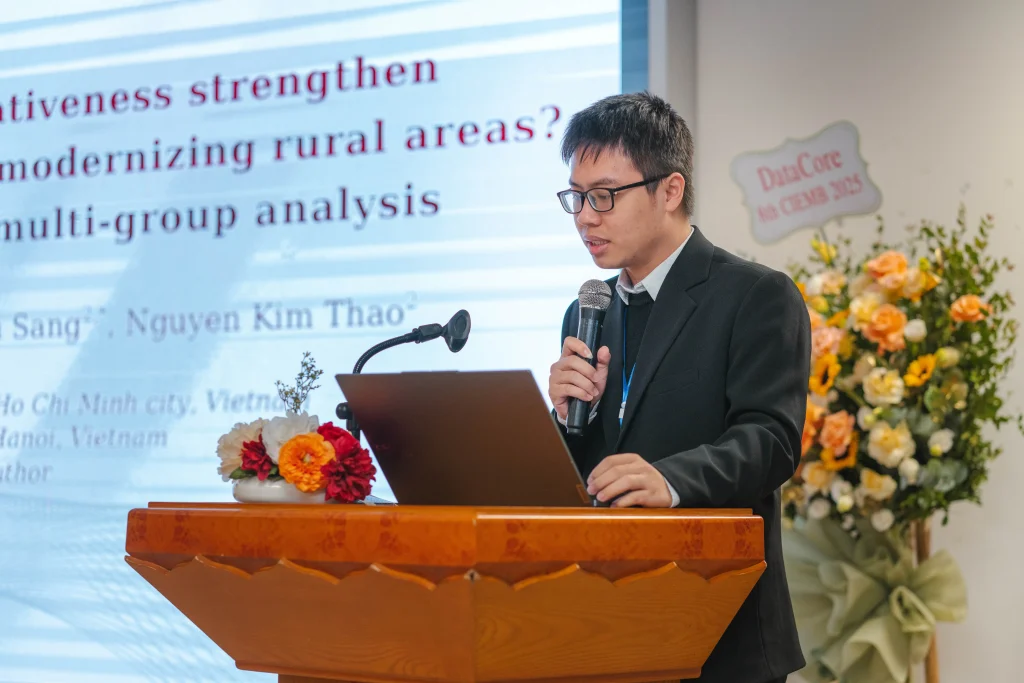
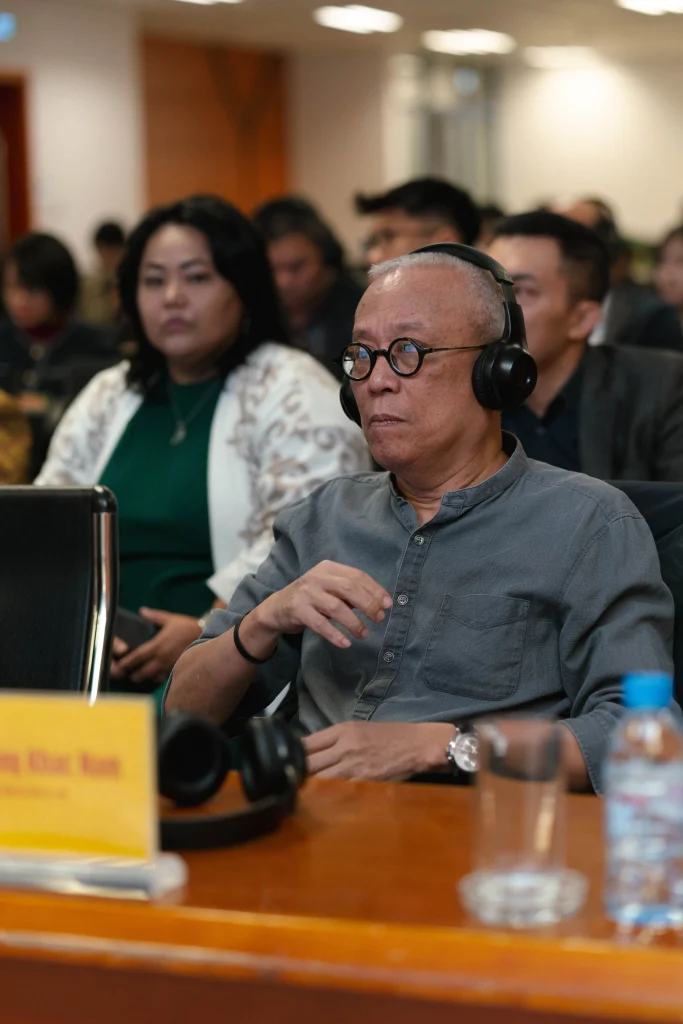
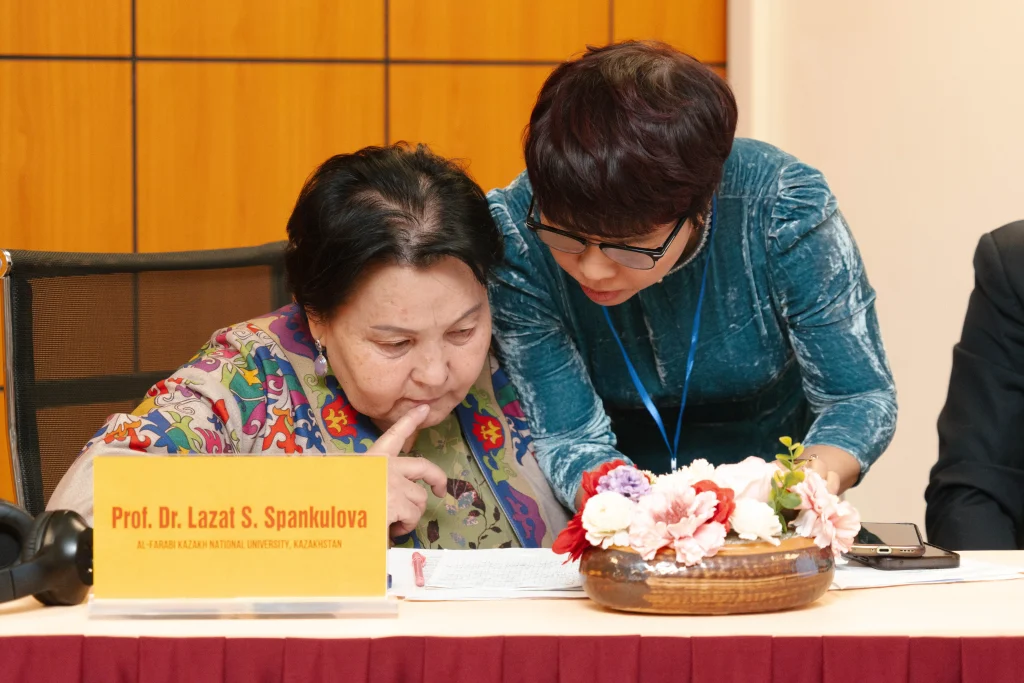
Article and photos: Conference Organizing Committee and Department of Communications
This is an automated translation. If you notice any errors, please contact the Department of Communications, National Economics University at phongtruyenthong@neu.edu.vn.