International Conference on “Contemporary Issues in Economics, Management and Business – 8th CIEMB 2025”
28/11/2025 2025-11-28 10:58International Conference on “Contemporary Issues in Economics, Management and Business – 8th CIEMB 2025”
International Conference on “Contemporary Issues in Economics, Management and Business – 8th CIEMB 2025”
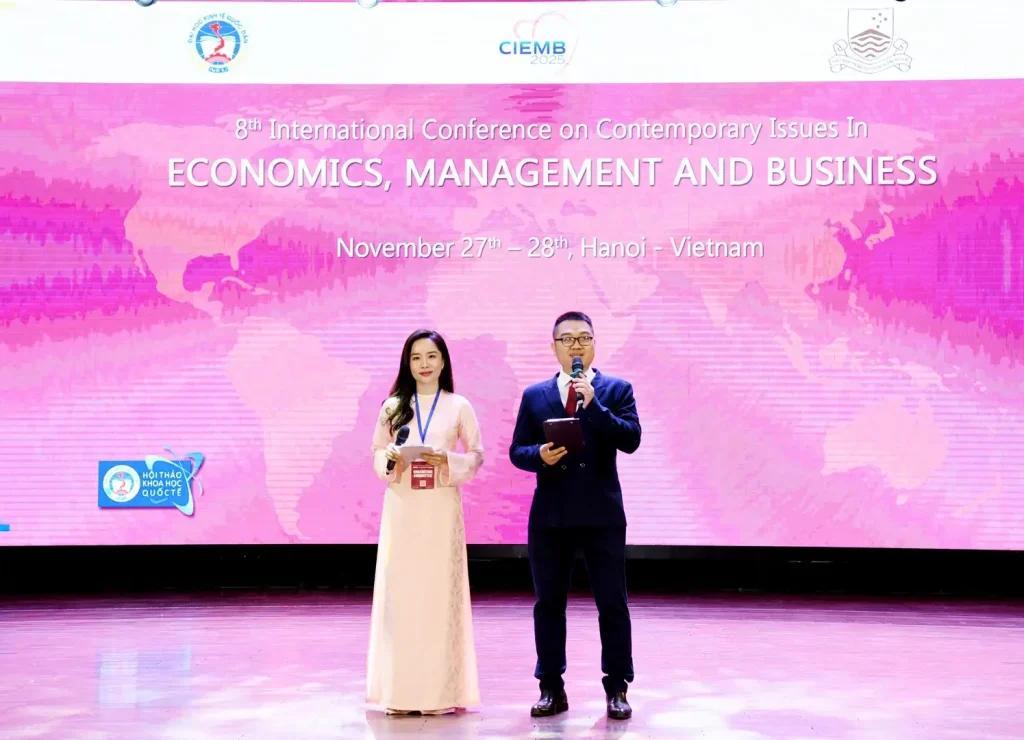
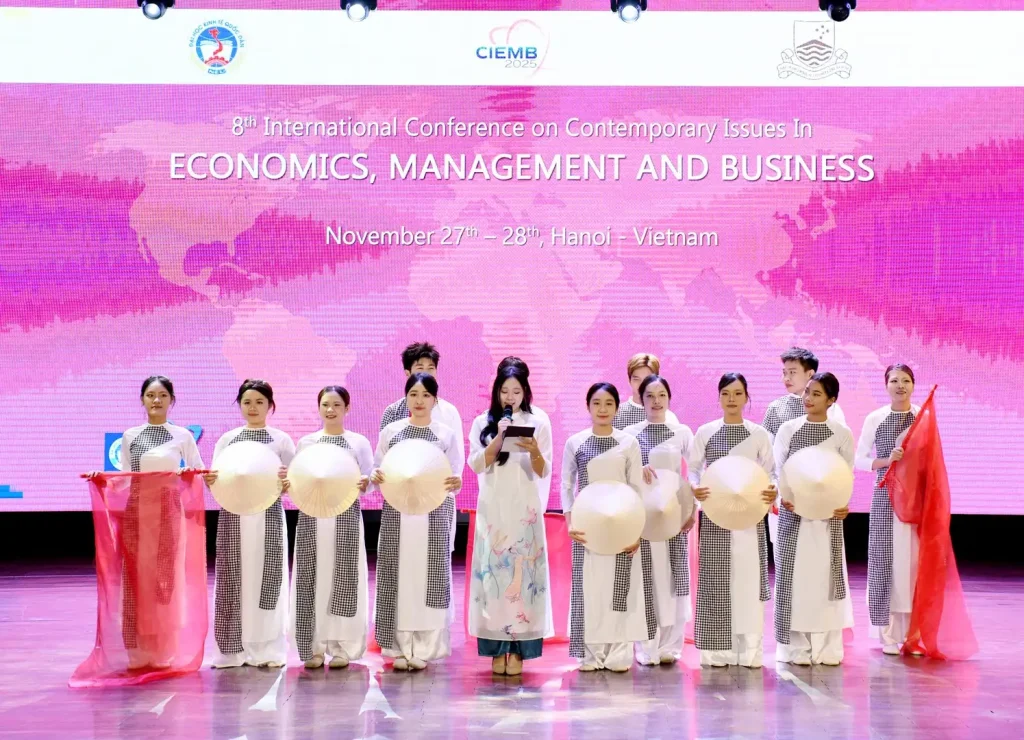
Over two days, November 27–28, 2025, National Economics University (NEU), in collaboration with the Australian National University (ANU), organized the 8th International Conference on Contemporary Issues in Economics, Management and Business – CIEMB 2025, one of NEU’s largest annual academic forums.
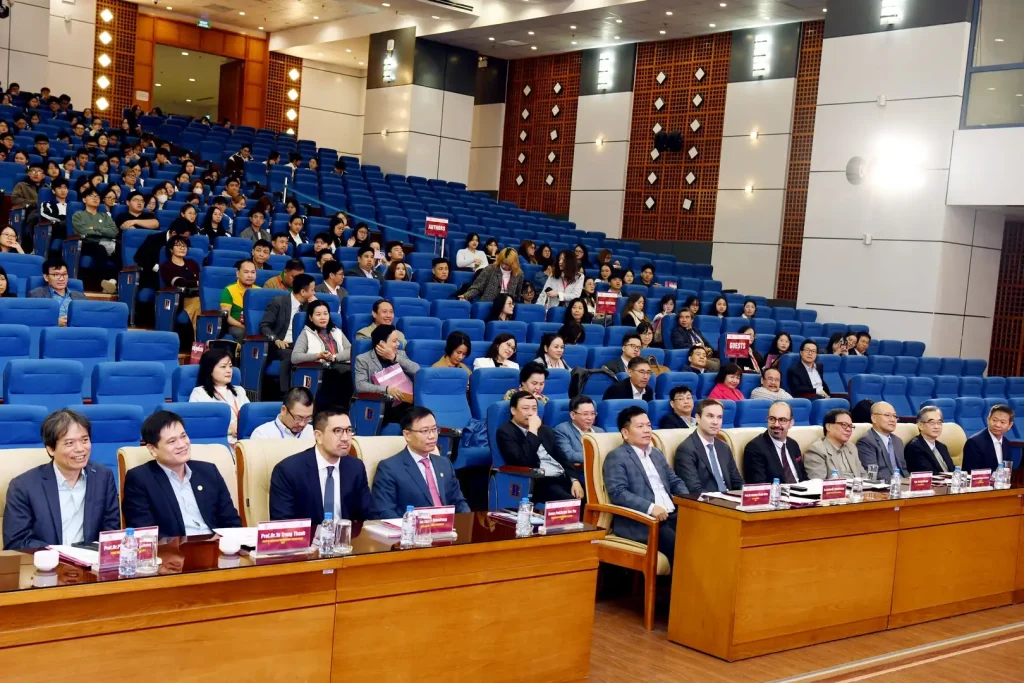
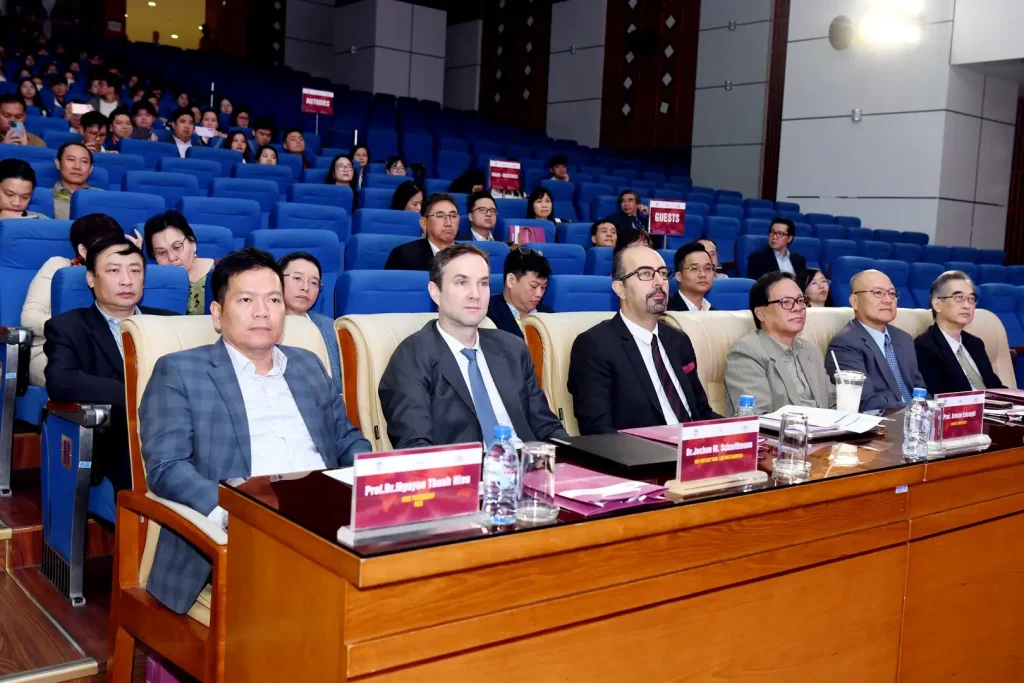
A view of the conference
International delegates attending the conference included Prof. Arman Eshraghi, Cardiff University; Prof. Shiro Armstrong, Australian National University; Dr. Jochen M. Schmittmann, IMF Resident Representative for Vietnam, Laos and Cambodia; Mang Kinal, Second Secretary of the Embassy of Cambodia in Vietnam; Lin Yi Min, Deputy Representative of the Taipei Economic and Cultural Office in Vietnam; and Simon Sung, Deputy Counselor of the Taipei Economic and Cultural Office in Vietnam.
Representing NEU were Assoc. Prof. Dr. Bui Duc Tho, Secretary of the Party Committee and Chair of the University Council; Assoc. Prof. Dr. Nguyen Thanh Hieu, Vice President; Prof. Dr. Tran Tho Dat, Chair of the Scientific and Training Council; Prof. Dr. Pham Hong Chuong, Member of the Prime Minister’s Advisory Council and former President of the University; Assoc. Prof. Dr. Nguyen Thanh Ha, Chair of the Advisory Council; and Prof. Dr. To Trung Thanh, Head of the Department of Research Management. Also attending in person and online were representatives of the leadership of schools, departments, faculties, institutes and centers, along with lecturers, researchers and students.
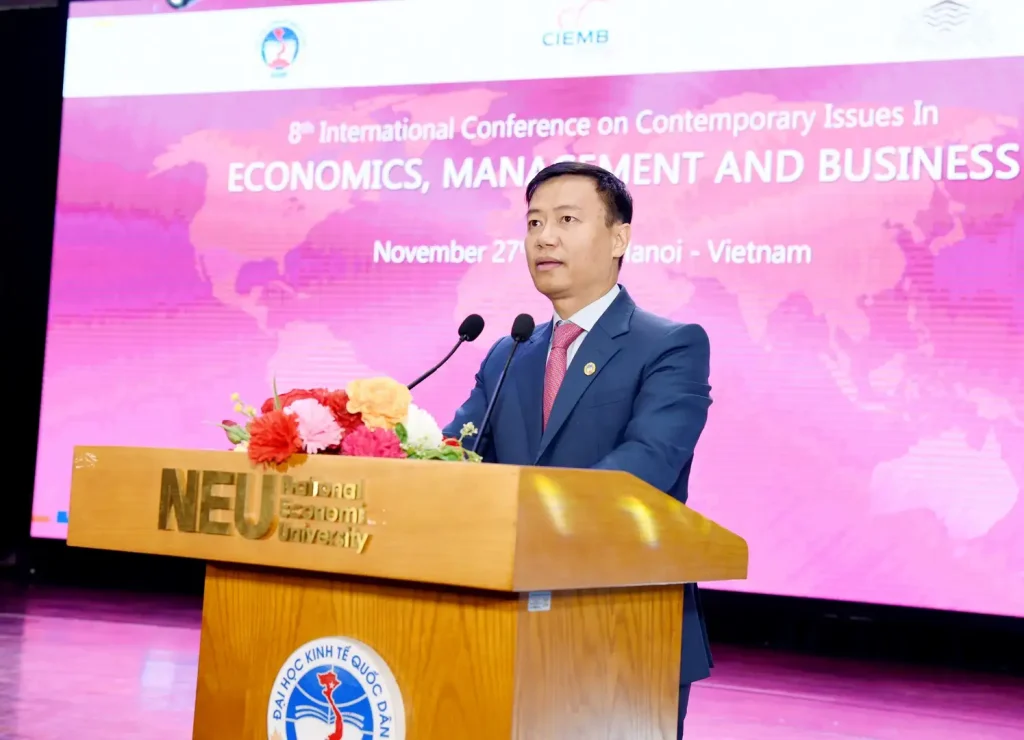
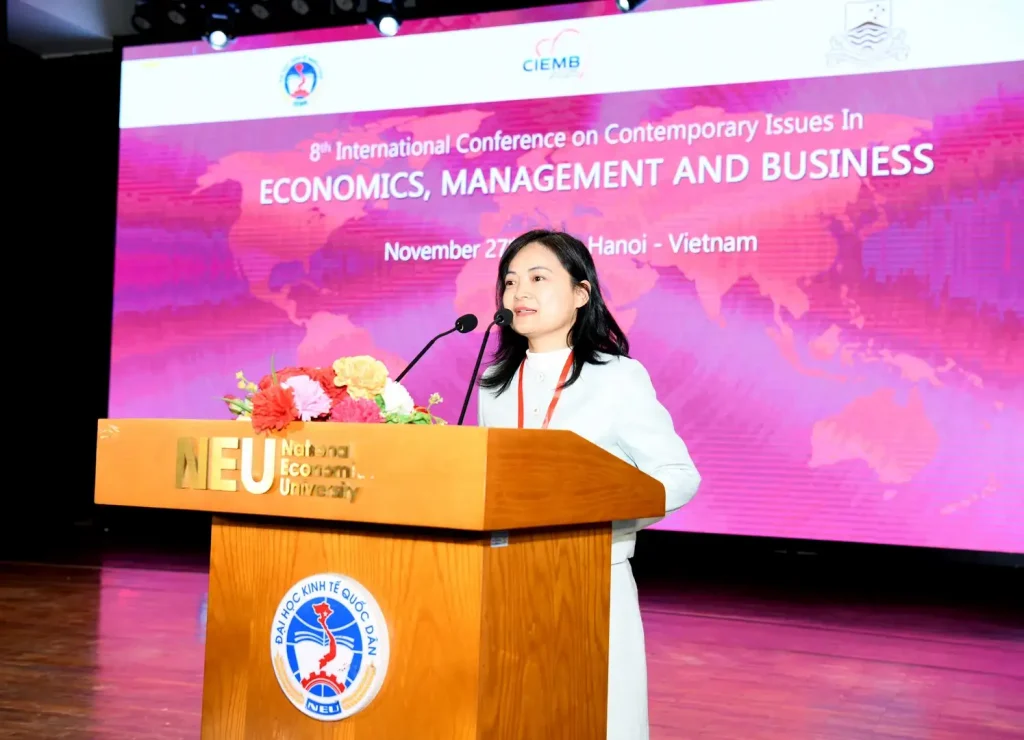
Assoc. Prof. Dr. Bui Duc Tho, Secretary of the Party Committee and Chair of the University Council at NEU, delivers the opening remarks
In his opening remarks, Assoc. Prof. Dr. Bui Duc Tho, Secretary of the Party Committee and Chair of the University Council at NEU, noted that 2025 had seen the world change at an unprecedented pace, with many unpredictable developments, including shifting international trade patterns, global supply chains affected by geopolitical tensions, the rapid spread of artificial intelligence across almost all industries, and persistently high inflation in many major economies. These changes are unfolding rapidly but have far-reaching effects on people’s lives and well-being.
“For Vietnam, the current global environment presents both major opportunities and significant challenges. At the same time, Vietnam is undergoing a profound transformation, entering an ‘era of advancement’ marked by major reforms to socioeconomic institutions, extensive digitalization across all sectors, and rapid shifts in the labor market and occupational structure.
This is an exciting time for economic research. Issues are becoming more pressing, data more abundant, and policy implications more far-reaching. High-quality scholarly work not only contributes to knowledge but also provides important evidence for policymaking and for shaping the future of development,” Assoc. Prof. Dr. Bui Duc Tho said.
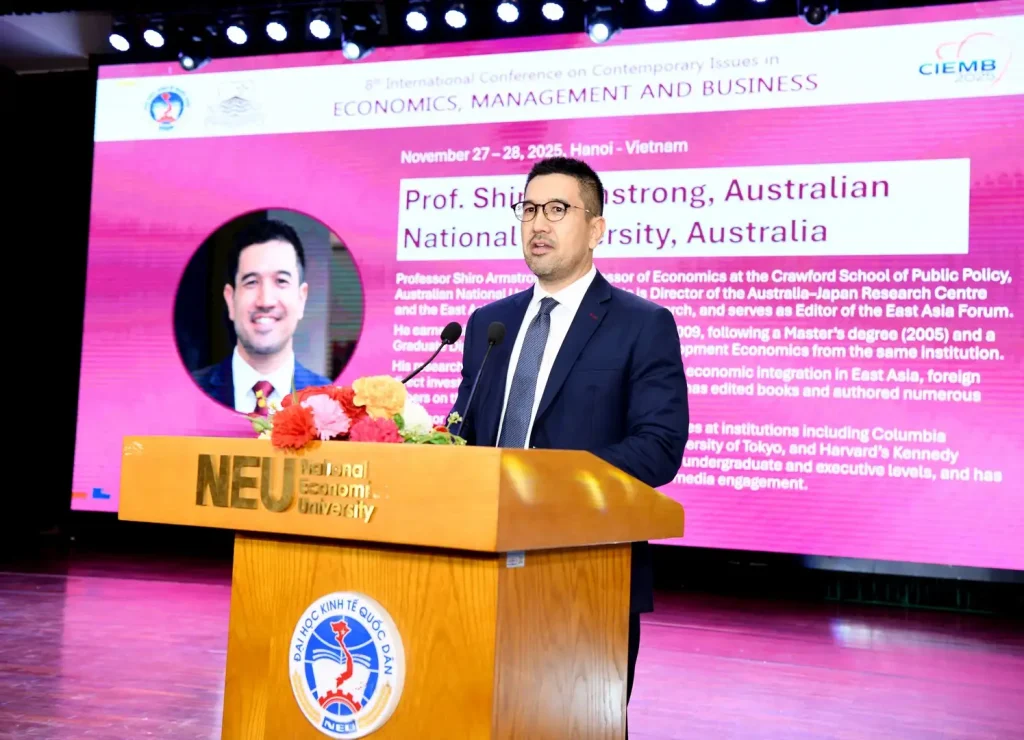
Prof. Shiro Armstrong, Australian National University, presents his paper on “Asia’s Multilateral Coalition to Safeguard the Trading System”
From an international trade perspective, Prof. Shiro Armstrong, Australian National University, explained that Vietnam is among the economies that have benefited most from shifts in global supply chains. However, its heavy dependence on a few markets, particularly the United States, poses significant challenges amid rising trade protectionism worldwide.
To maintain competitiveness, Prof. Shiro Armstrong argued that diversifying markets, participating more deeply in new-generation trade agreements, and improving product quality to meet green standards, technical standards and supply chain origin requirements would be key factors in 2026.
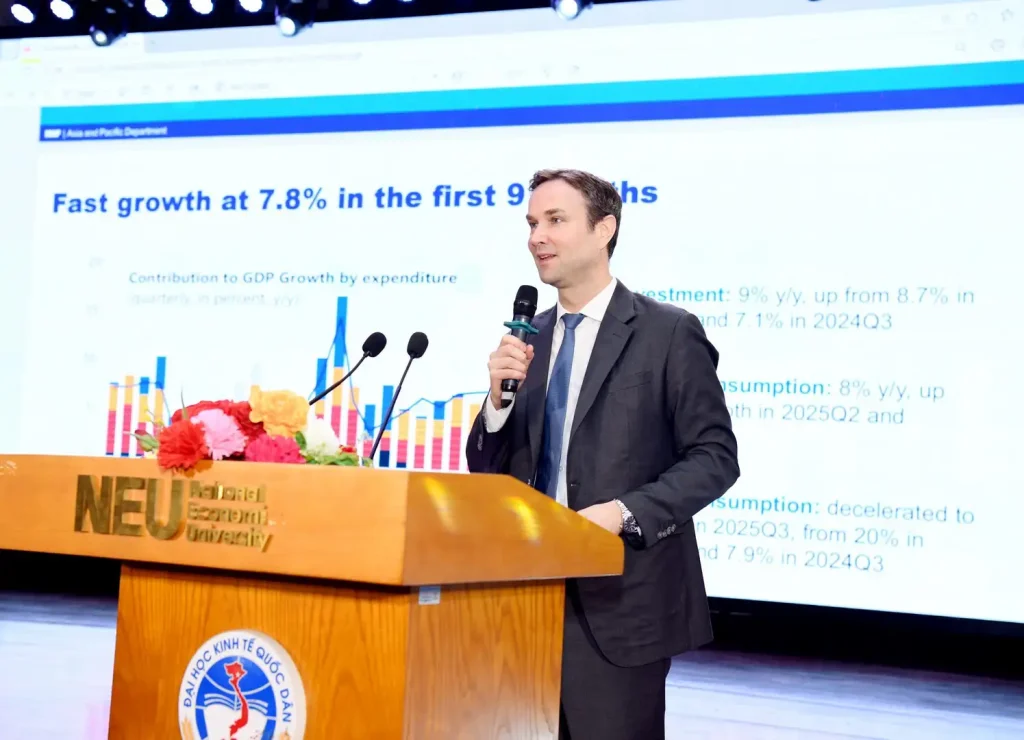
Dr. Jochen M. Schmittmann, IMF Resident Representative for Vietnam, Laos and Cambodia, presents his paper on “Vietnam: Resilience, Headwinds and Reform Ambitions”
Assessing Vietnam’s economic landscape, Dr. Jochen M. Schmittmann, International Monetary Fund (IMF) Resident Representative for Vietnam, Cambodia and Laos, noted that Vietnam had achieved impressive growth over many decades. GDP per capita has steadily approached that of emerging markets, gradually narrowing the gap with developed economies. He emphasized that this success stemmed from deep integration into the global economy, expanding trade and strong foreign direct investment (FDI) inflows, which have helped shift the export structure from raw materials, agricultural products, and oil and gas to electronics and machinery.
According to Dr. Jochen M. Schmittmann, recent growth momentum has also been supported by an accommodative macroeconomic policy environment: interest rates have remained low compared with those in many other countries in the region… Nevertheless, he noted that Vietnam still faces several barriers to achieving its double-digit growth target.
“Vietnam faces several challenges: the financial system does not allocate capital efficiently, inefficient enterprises continue to operate, and private enterprises face high costs, limiting innovation and productivity improvements. Workers have a solid foundation of basic education but lack technical skills, while the training system has yet to meet the economy’s needs,” Dr. Jochen M. Schmittmann observed.
Based on this analysis, the International Monetary Fund (IMF) Resident Representative for Vietnam, Cambodia and Laos argued that Vietnam cannot simply continue expanding investment and labor to move closer to its double-digit growth target. “In the short term, monetary policy needs to be cautious because credit is already too high; priorities should include strengthening banking system safety, resolving nonperforming loans and increasing capital. By contrast, fiscal policy has ample room thanks to low public debt, allowing a focus on infrastructure investment, particularly in digital infrastructure, logistics and energy. However, attention must be paid to selecting sound projects and avoiding fragmented investment and losses.”
“In a favorable global economic environment, this will provide an important foundation for Vietnam to achieve double-digit growth in the coming period, rather than leaving it as merely an ambition on paper,” Dr. Jochen M. Schmittmann emphasized.
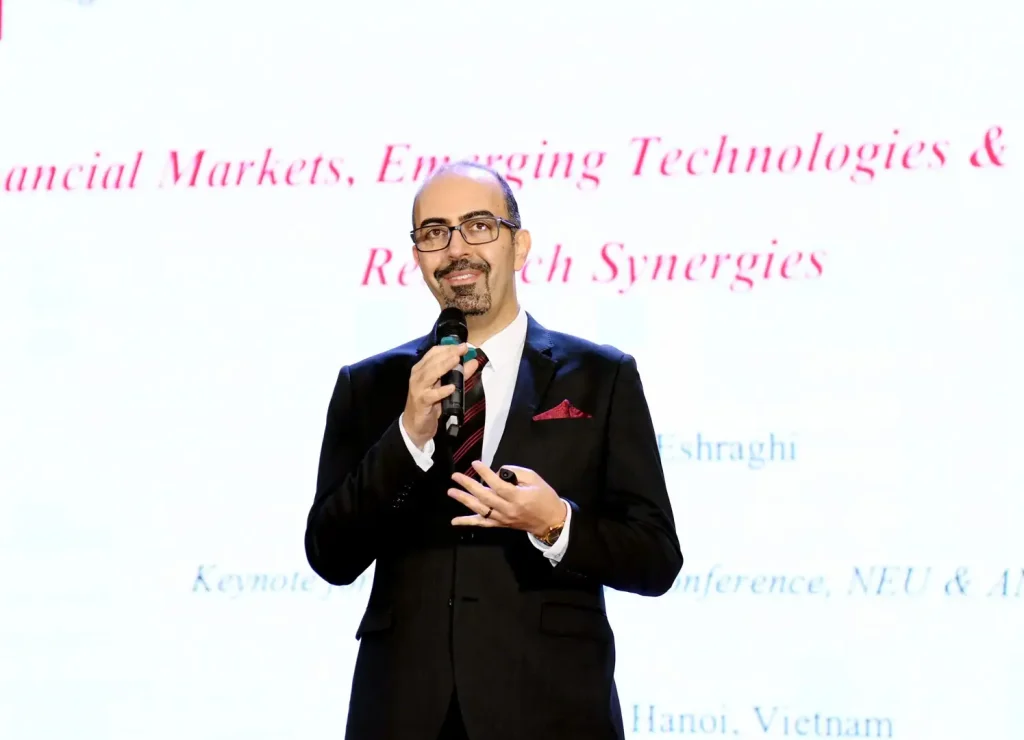
Prof. Arman Eshraghi, Cardiff University, United Kingdom, presents his paper on “Financial Technology and Behavior: Intersections in Research”
Alongside institutional reform, technological innovation is viewed as a new driver of growth for Vietnam. Prof. Arman Eshraghi of Cardiff University, United Kingdom, observed that the spread of artificial intelligence and financial technologies is opening up major opportunities for the economy, but real benefits will emerge only when businesses and workers have the skills needed to adapt. Without accompanying management capacity and workforce training, however, the results will fall short of expectations.
According to the experts, growth momentum is broad-based, indicating that the economy has regained its recovery momentum after a prolonged period of difficulties caused by the pandemic and global financial tightening. This also provides an important basis for Vietnam to set a high growth target of 10% or more in 2026 and double-digit growth in subsequent years.
Furthermore, Vietnam has dramatically transformed its export structure, from predominantly textiles and basic commodities in 2000 to machinery and electronic equipment as its main exports in recent years. Fiscal and monetary policies have continued to support growth, while reforms to government and the reorganization of administrative units, in particular, have delivered results.
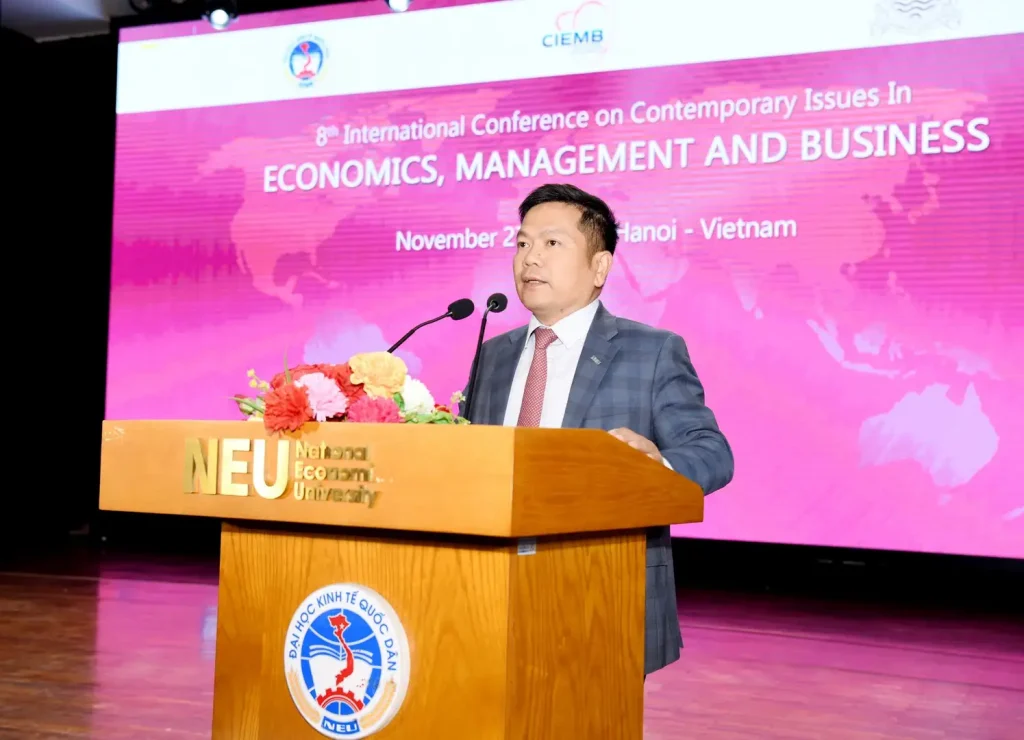
Prof. Dr. Nguyen Thanh Hieu, Vice President of NEU, delivers the closing remarks
Reflecting on the assessments of international organizations and the academic community, Prof. Dr. Nguyen Thanh Hieu, Vice President of NEU, noted that these insights would be valuable for Vietnam’s continued improvement as it enters a period of profound transformation amid rapid global changes.
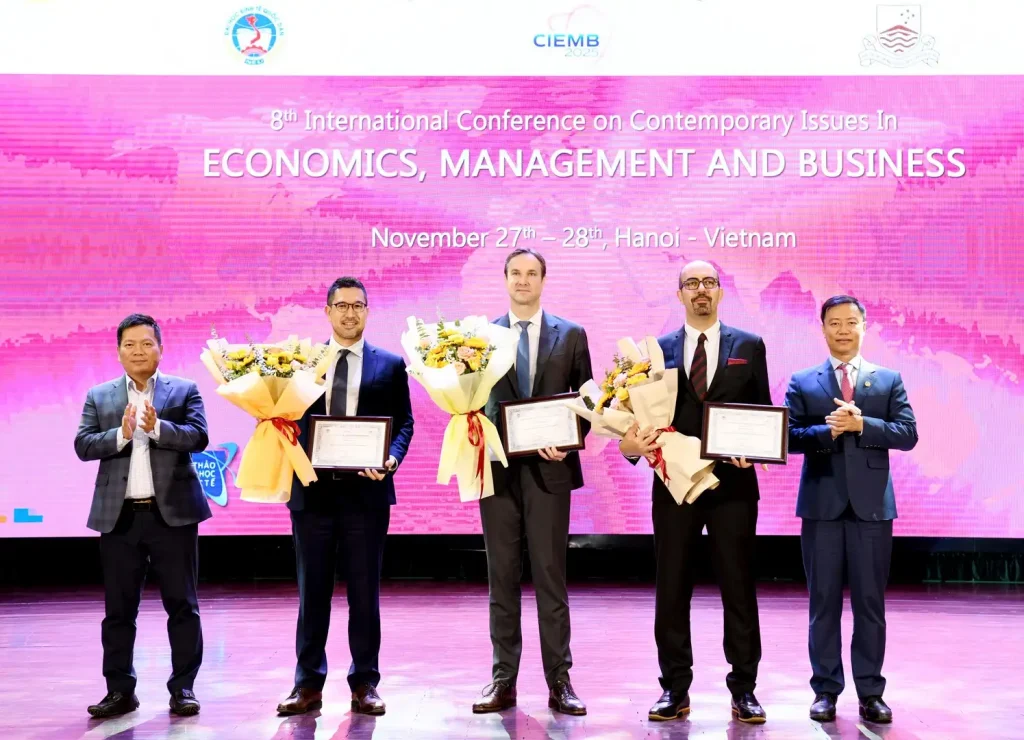
Leaders of the University present certificates and flowers to thank the keynote speakers
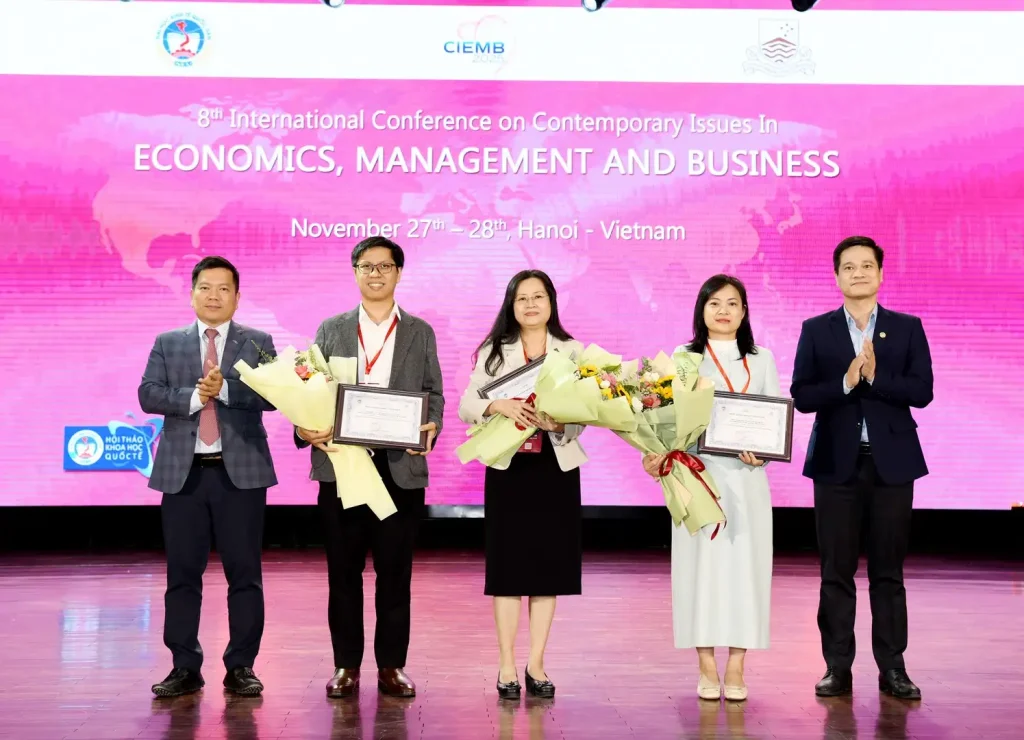
Prof. Dr. Nguyen Thanh Hieu, Vice President, and Prof. Dr. To Trung Thanh, Head of the Department of Research Management, present certificates to the authors of the best papers
CIEMB is NEU’s most prominent international forum, bringing together researchers in economics, management and business to discuss contemporary issues and propose solutions for sustainable development and global integration. This year, the organizing committee received more than 150 papers from scholars, researchers, policymakers and lecturers from Vietnam and many other countries.
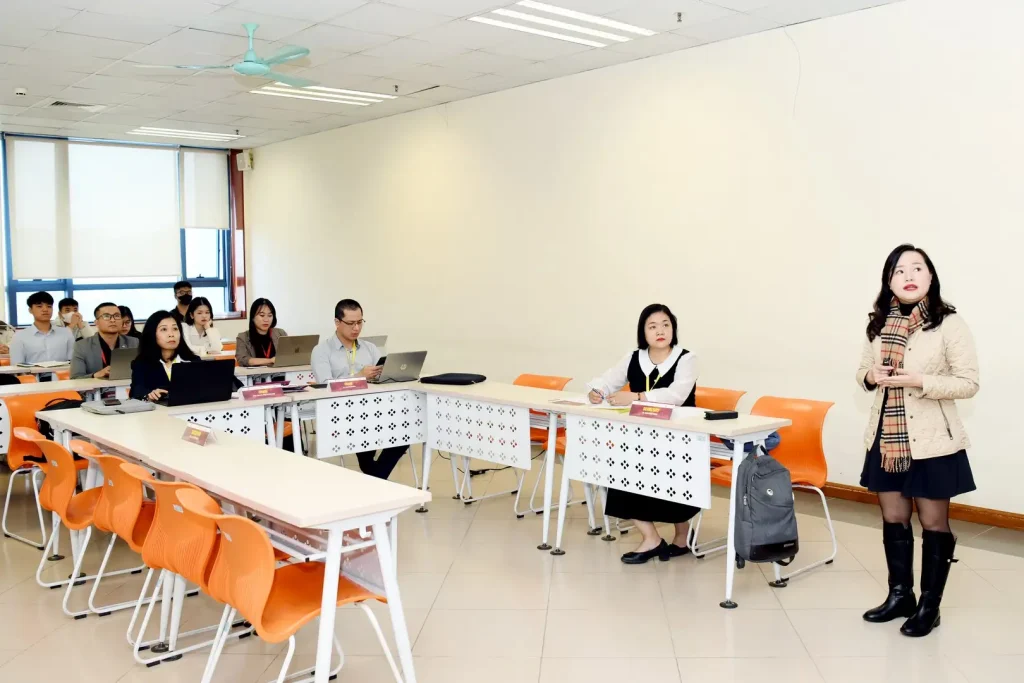
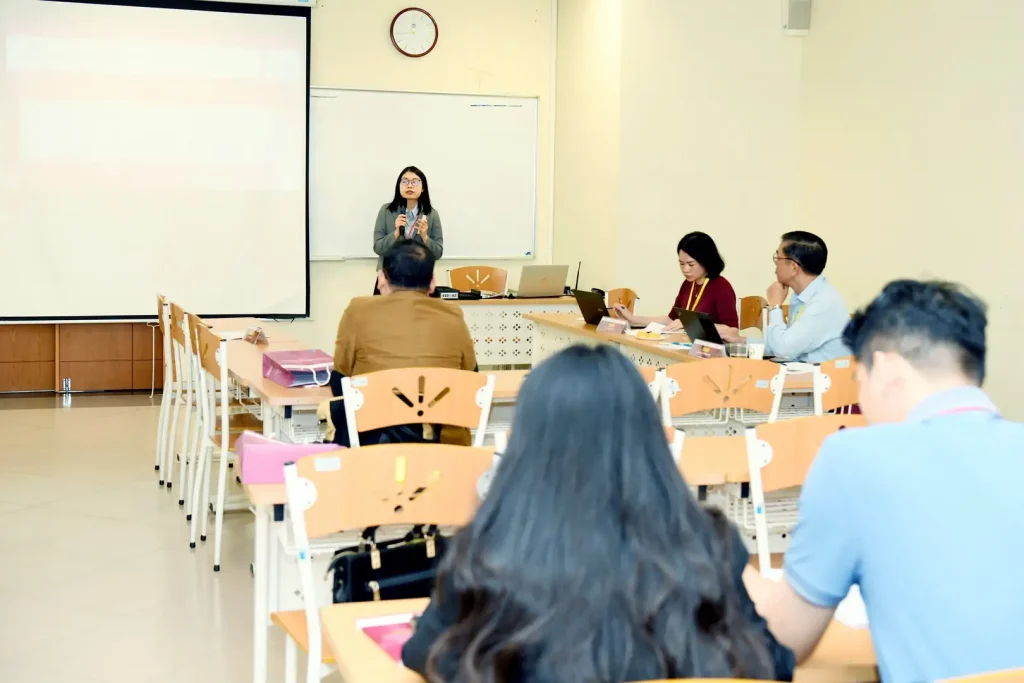
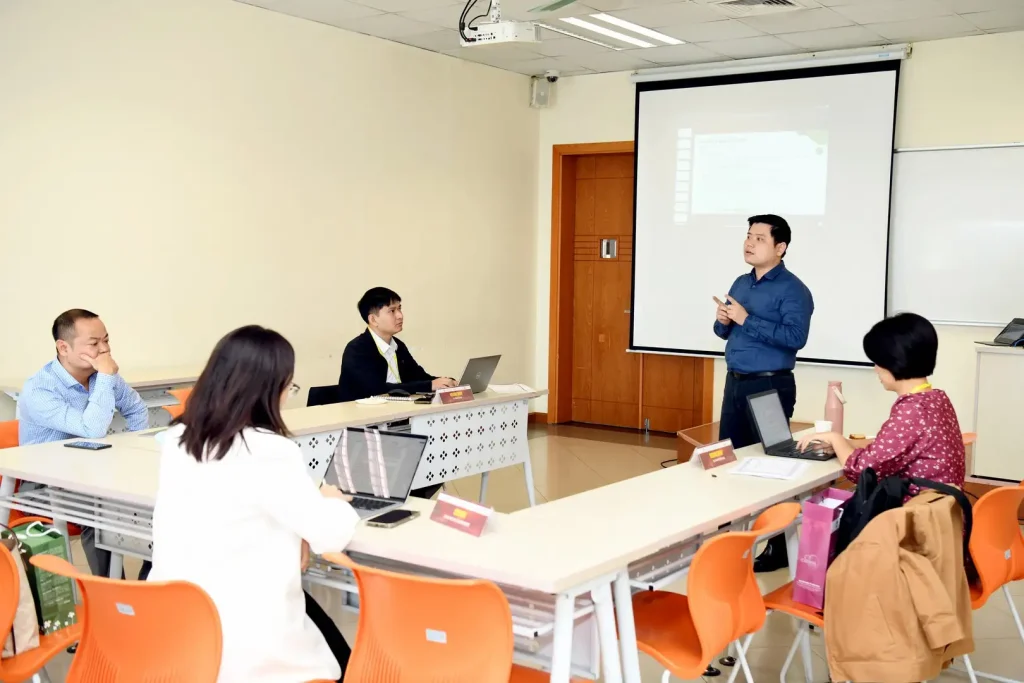
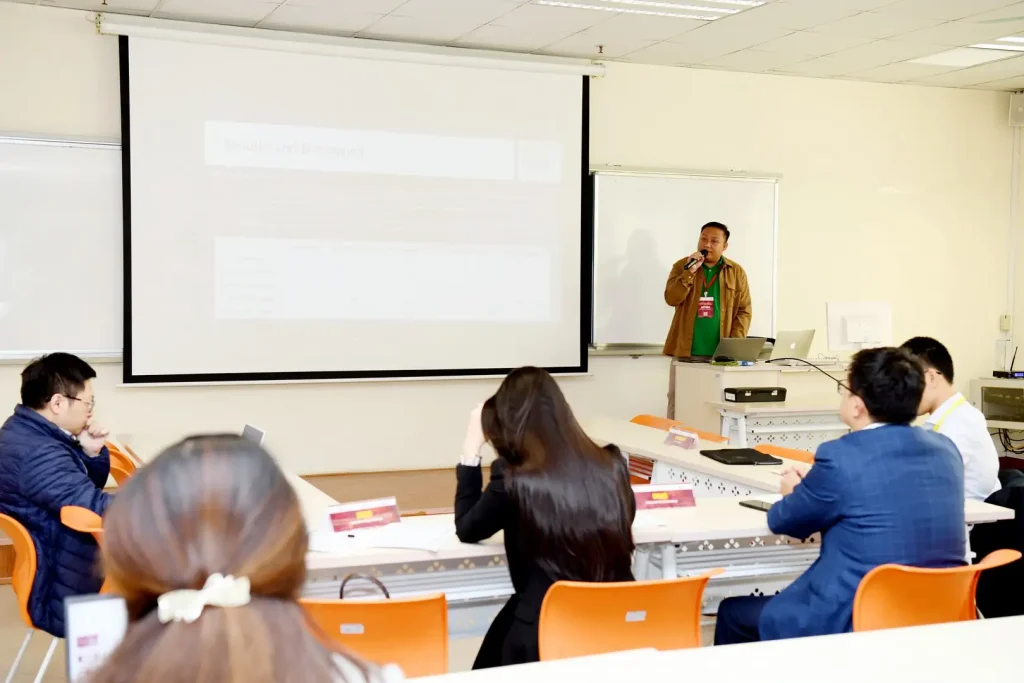
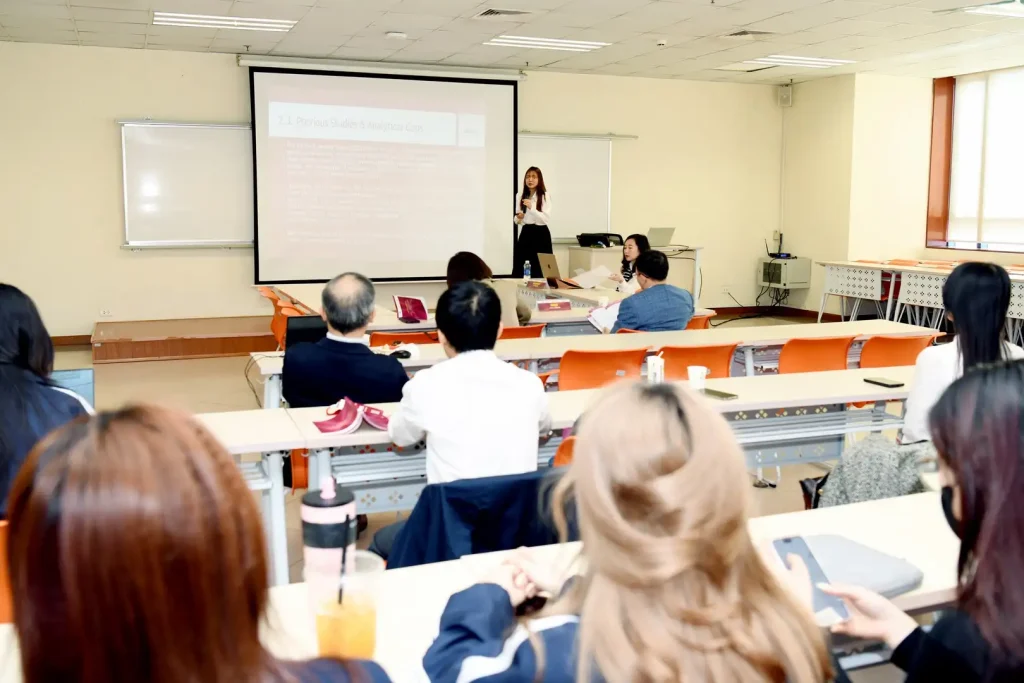
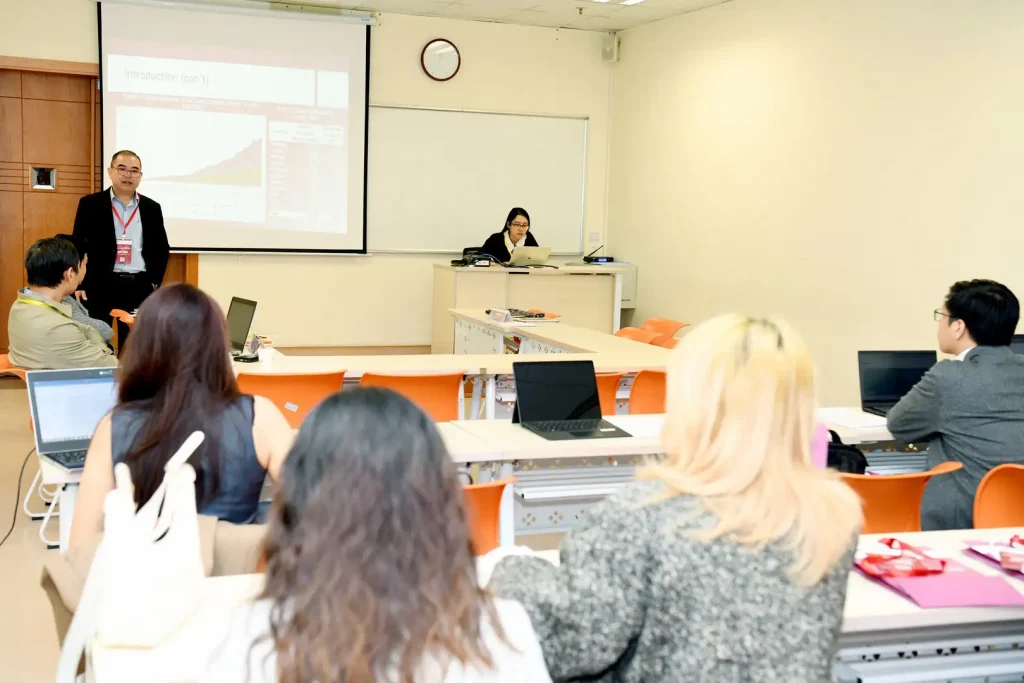
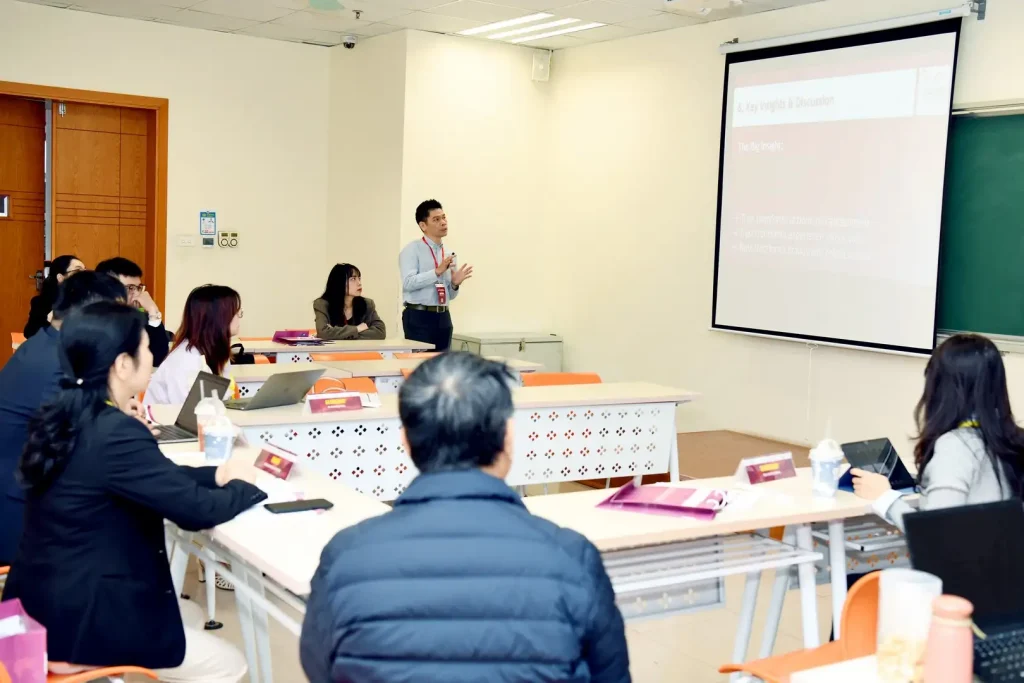
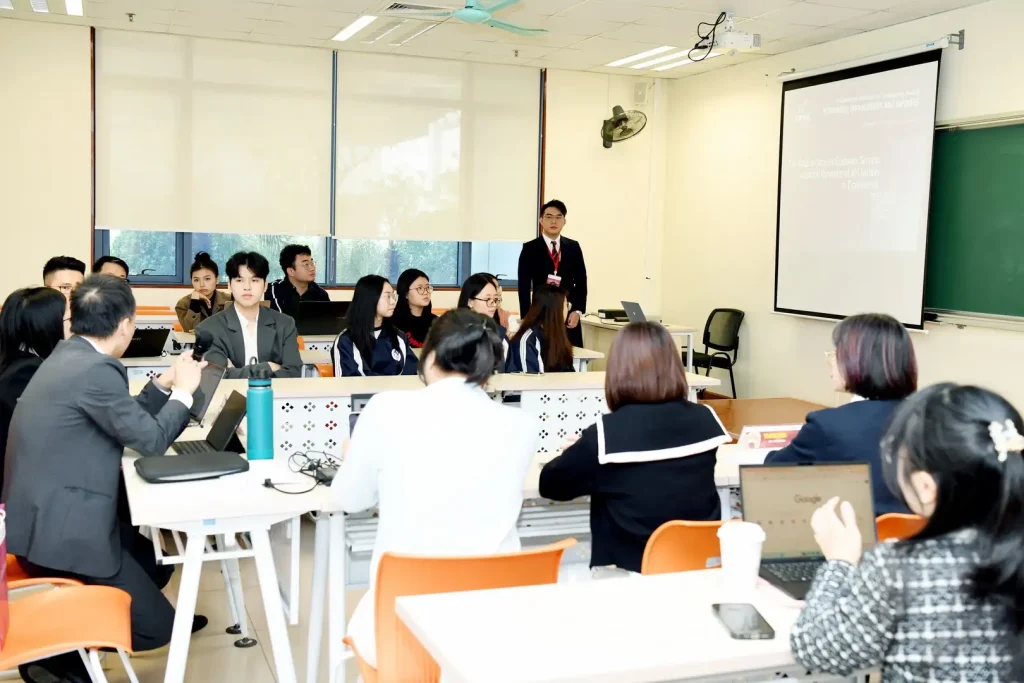

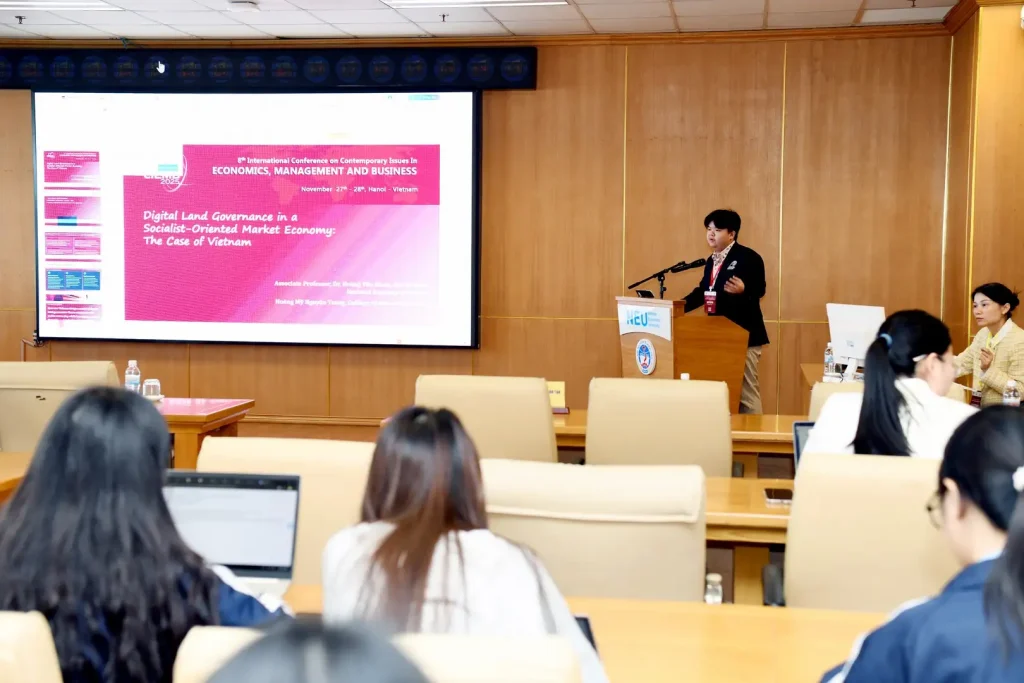
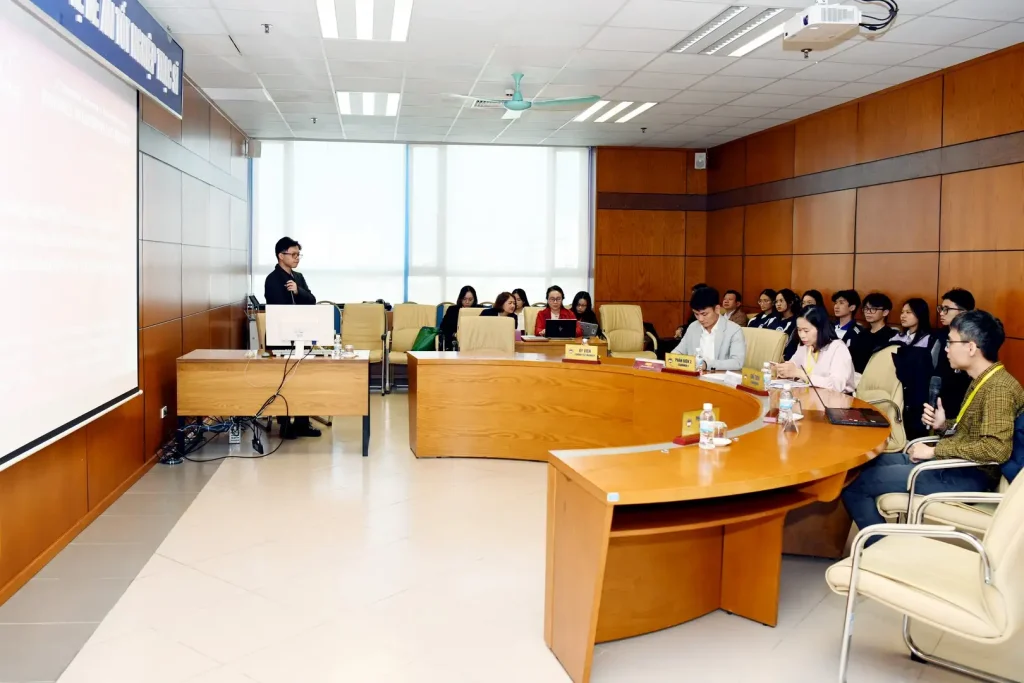
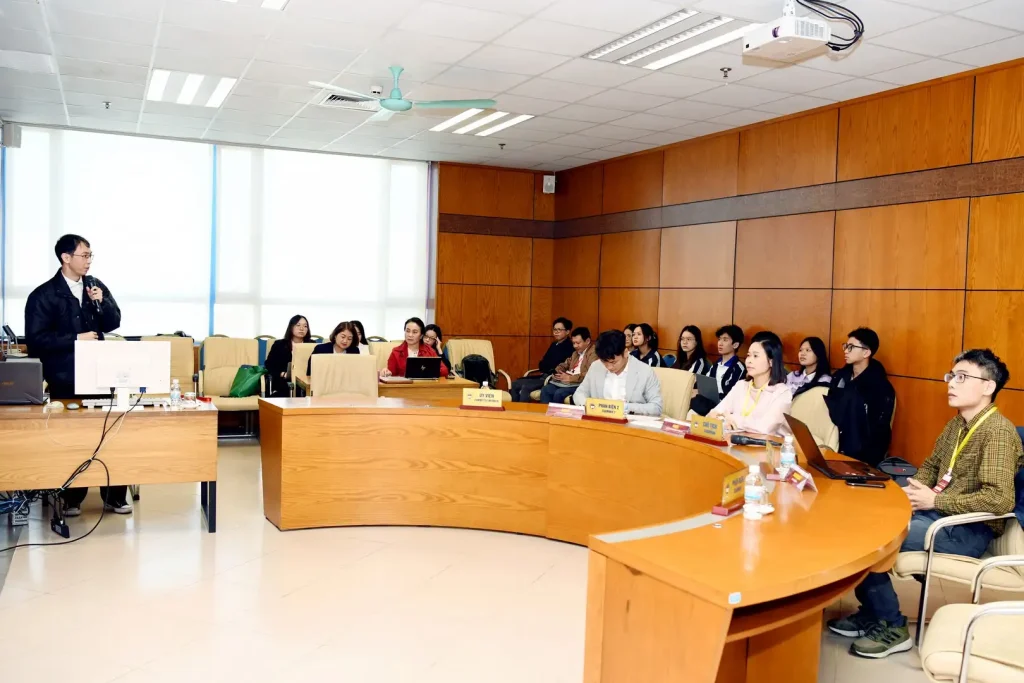
Parallel discussion sessions address specialized topics in economics, management and business
The 8th CIEMB International Conference concluded successfully, further affirming NEU’s position as a leading research center where scientists, scholars and researchers from around the world can exchange ideas and collaborate on research in economics, management and business administration.
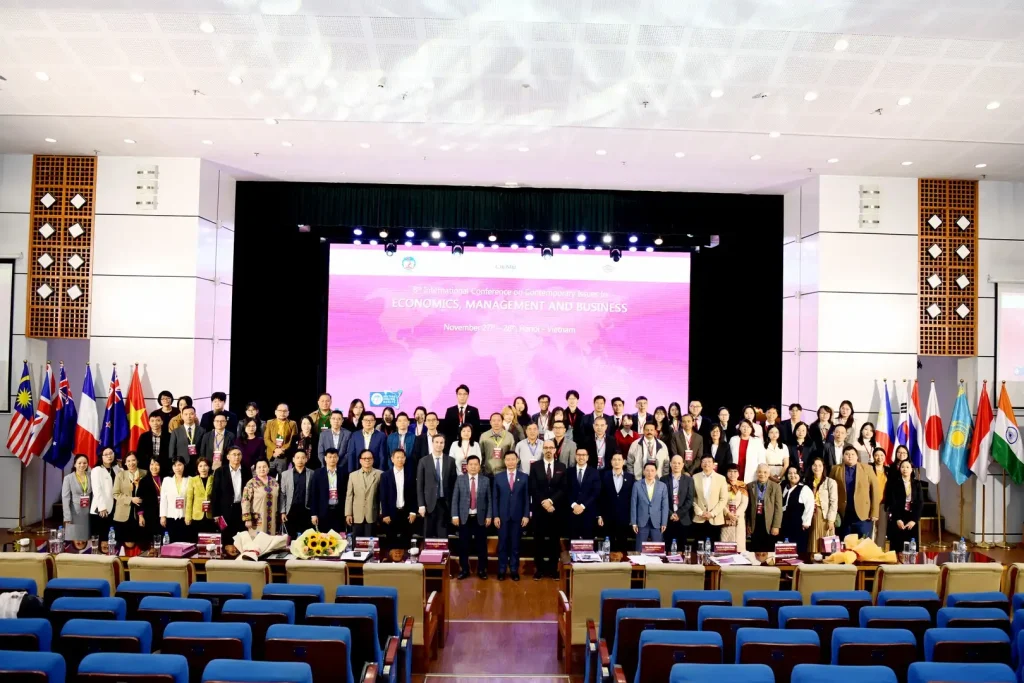
Conference delegates pose for a commemorative group photo
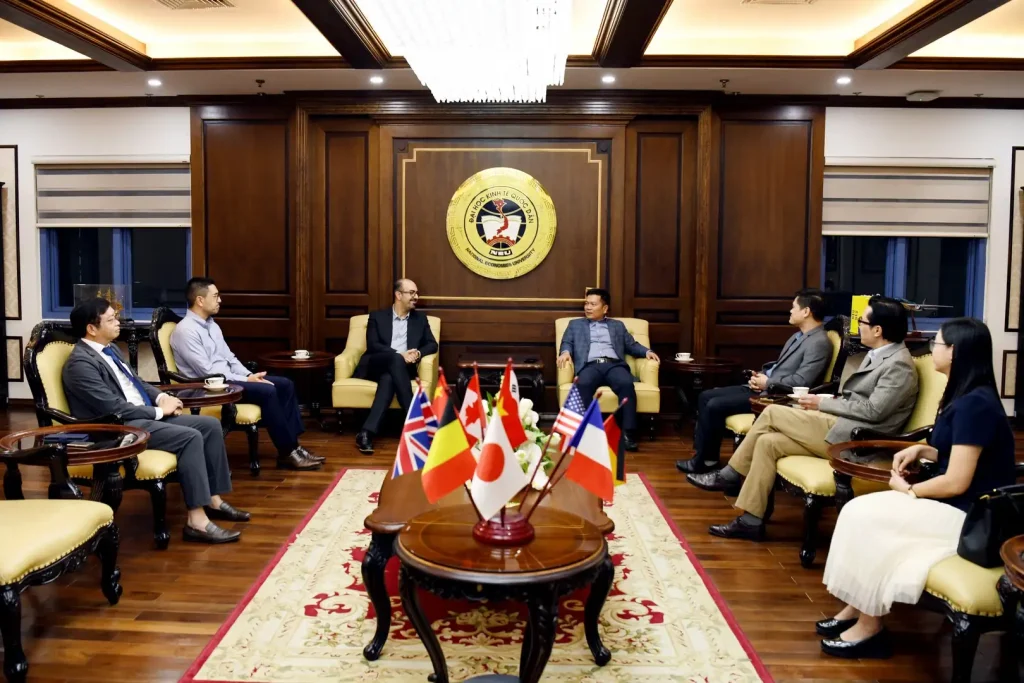
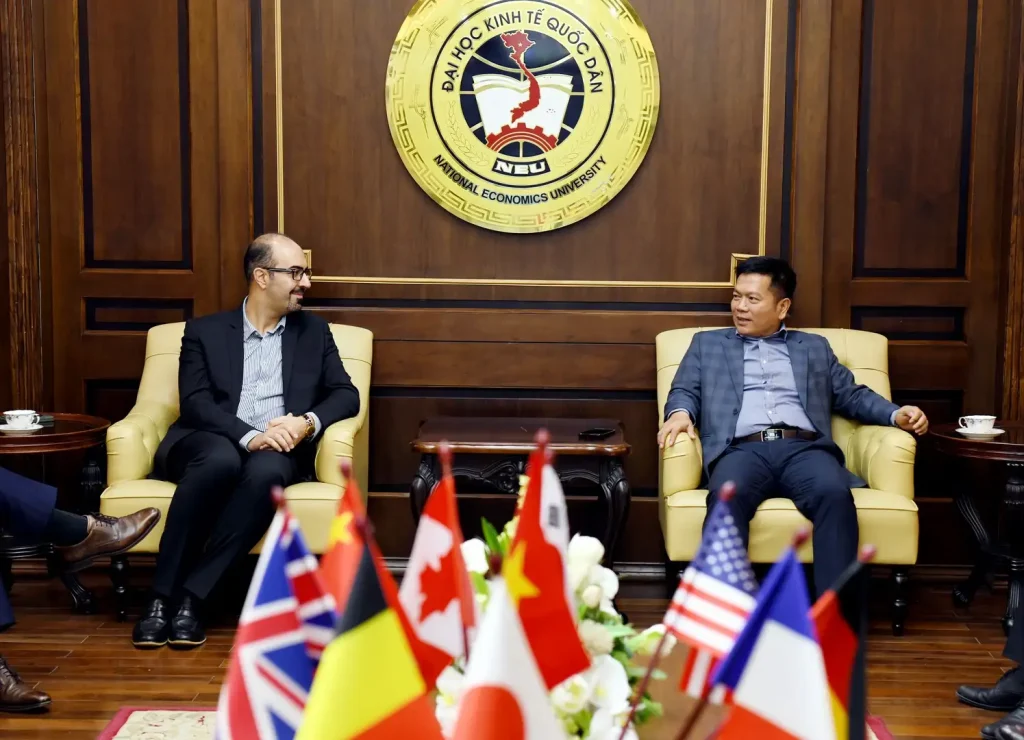
Prof. Dr. Nguyen Thanh Hieu, Vice President, at the reception for speakers and guests ahead of the conference
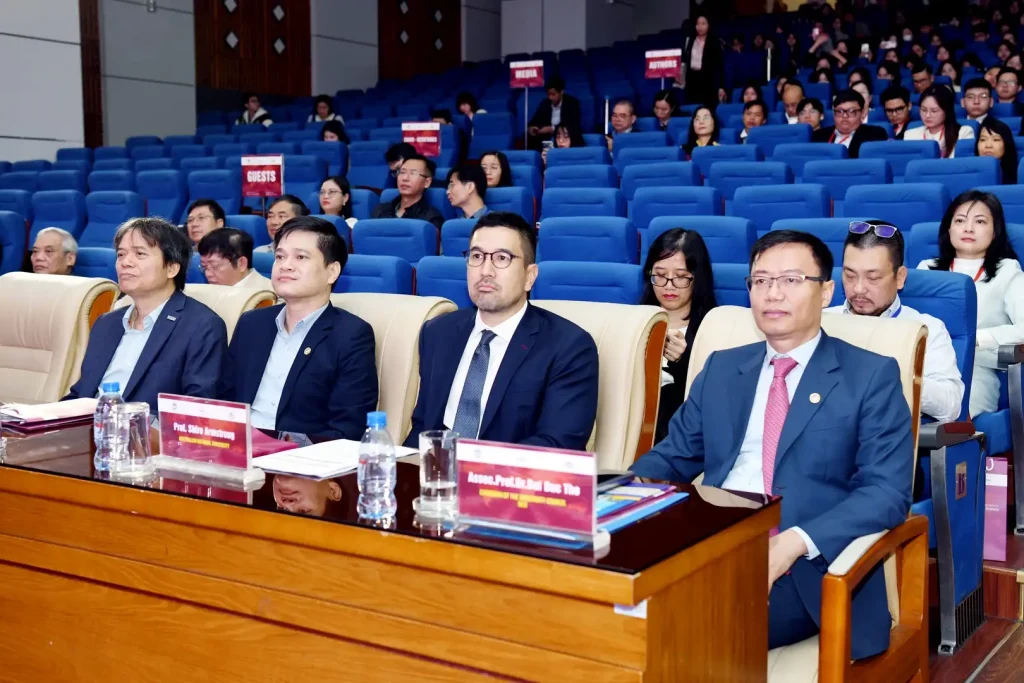
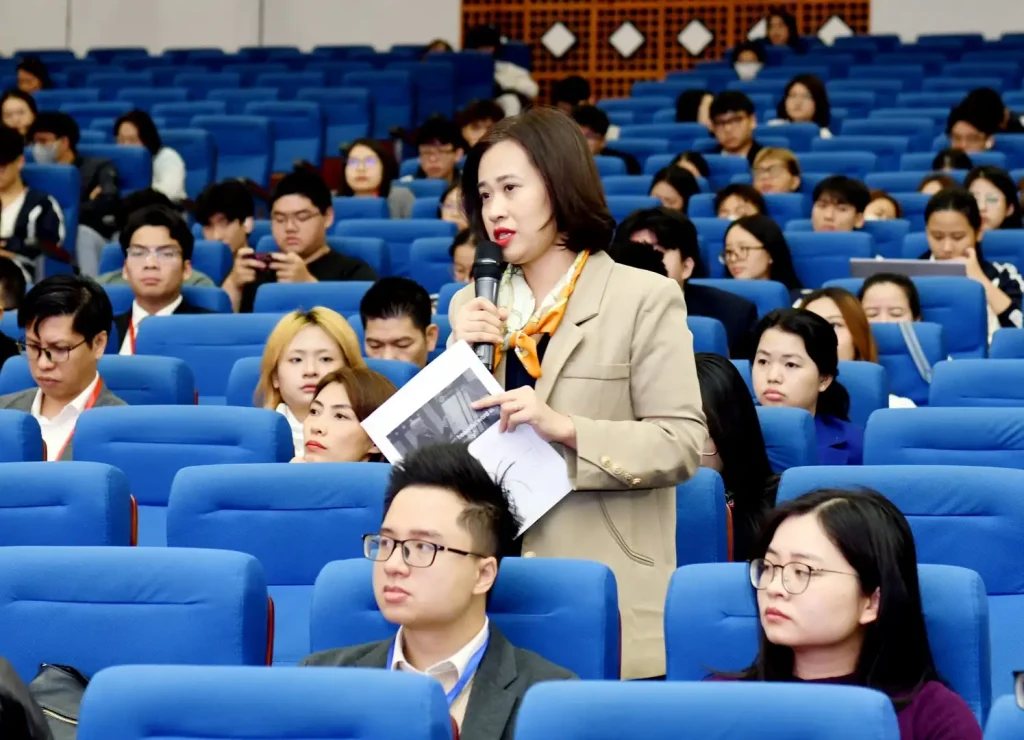
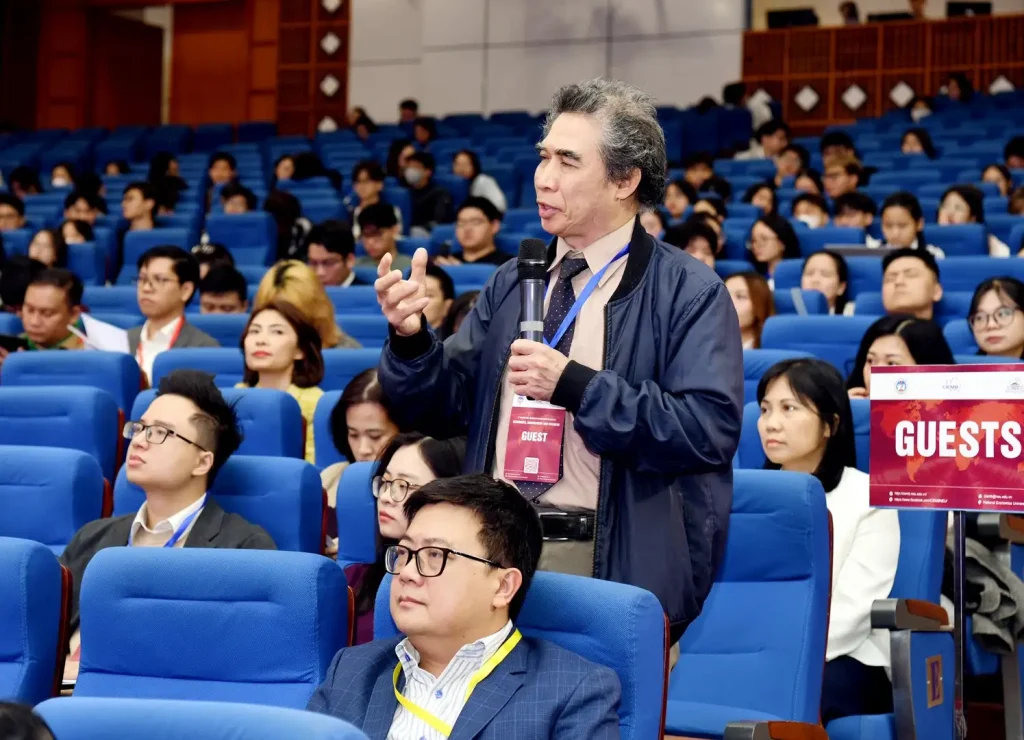
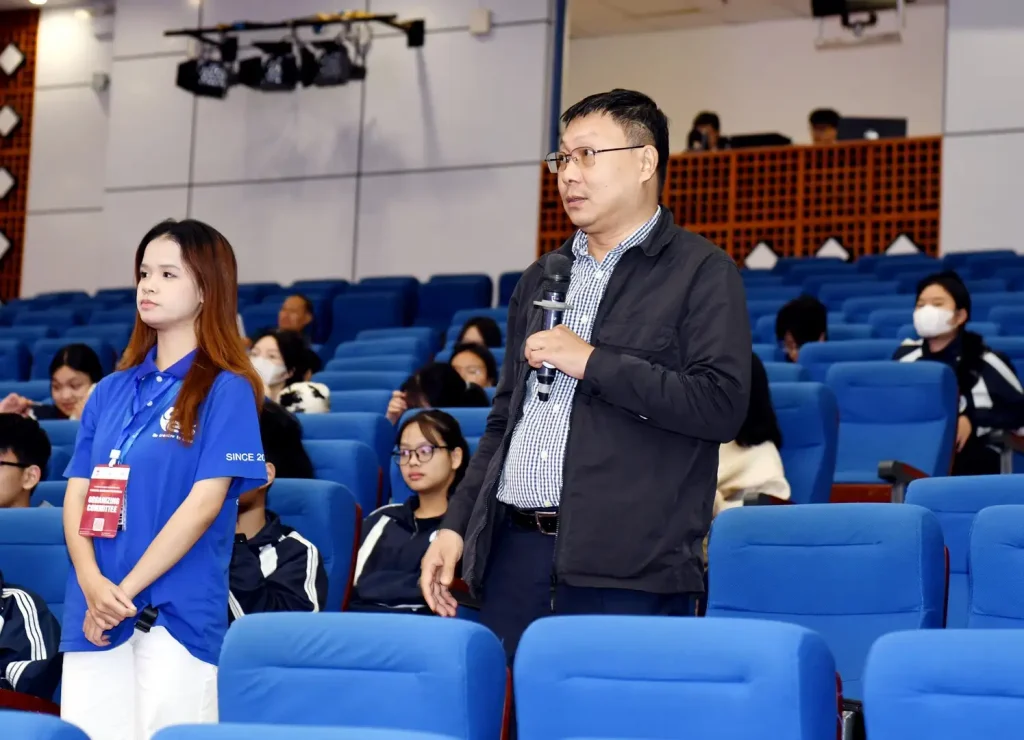
Additional images from the conference:


Article and photos: Department of Communications
Media outlets reporting on the conference:
Hanoi Television: Solutions to help Vietnam achieve double-digit growth
Lao Dong: IMF expert outlines key solutions to help Vietnam move toward double-digit growth
Updated forecast for Vietnam’s GDP growth in 2025
Nhan Dan: Strong institutional reforms will accelerate Vietnam’s growth
People’s Deputies: Contemporary issues in economics, management and business
Government: Vietnam needs to be ready to address challenges amid high growth
Vietnam Financial Times: With strong reforms, Vietnam could grow an additional 2% each year
Banking Times: Vietnam maintains growth momentum amid global volatility
Vietnam News Agency: Sharing international experience to promote global growth and sustainable development
Education and Times: Contemporary issues in economics, management and business
Journalists & Public Opinion: Strong reforms will help Vietnam increase its annual growth rate by 2 percentage points
Business Forum: Strong structural reforms for high growth
Economics and Finance Review: IMF expert highlights factors that could affect Vietnam’s 2026 growth target
Industry and Trade: Identifying current challenges facing Vietnam’s economy
Finance and Business Magazine: CIEMB 2025: Contemporary issues in economics, management and business
Bnews: Connecting global knowledge to promote sustainable development
Vnbusiness: Vietnam’s economy in 2026: Solutions to boost productivity to achieve the 10% growth target
Tax & Customs Magazine: Businesses need to invest in internal capabilities to avoid “running out of steam”
This is an automated translation. If you notice any errors, please contact the Department of Communications, National Economics University at phongtruyenthong@neu.edu.vn.