Scientific Seminar: “Developing the Real Estate Market to Ensure Macroeconomic Stability in 2025-2030”
14/11/2025 2025-11-14 10:16Scientific Seminar: “Developing the Real Estate Market to Ensure Macroeconomic Stability in 2025-2030”
Scientific Seminar: “Developing the Real Estate Market to Ensure Macroeconomic Stability in 2025-2030”
This morning (November 14, 2025), National Economics University (NEU) hosted a scientific seminar on “Developing the Real Estate Market to Ensure Macroeconomic Stability in 2025-2030” under the National Science and Technology Program KX 01/21-30, attracting numerous economic experts, researchers, policymakers, and business representatives.

External attendees at the seminar included Nguyen Dac Nhan, Deputy Director of the Department of Land Administration, Ministry of Agriculture and Environment; Le Xuan Ba, economic expert; Nguyen Vu Cao, Chairman of the Board of Directors of Khanh Land; Nguyen Anh Que, General Director of G6 Land Group; Tran Xuan Nam, Chairman of the Board of Directors of HBO Land; Nguyen Anh Duong, Head of the Department of General Research and International Integration, Institute of Policy and Strategy Research; and Bui Tien Thanh, Dean of the Faculty of Civil Engineering, University of Transport and Communications.
Representing NEU were Prof. Dr. Nguyen Thanh Hieu, Vice President; Prof. Dr. To Trung Thanh, Head of the Department of Research Management; Assoc. Prof. Dr. Ngo Thi Phuong Thao, Principal Investigator of Project KX 01/08/21-30 and Dean of the Faculty of Real Estate and Resource Economics; and Prof. Dr. Pham Hong Chuong, former President. Also attending were leadership representatives from schools, departments, faculties, institutes, and centers; University faculty and staff; economic experts, researchers, policymakers, and business representatives.
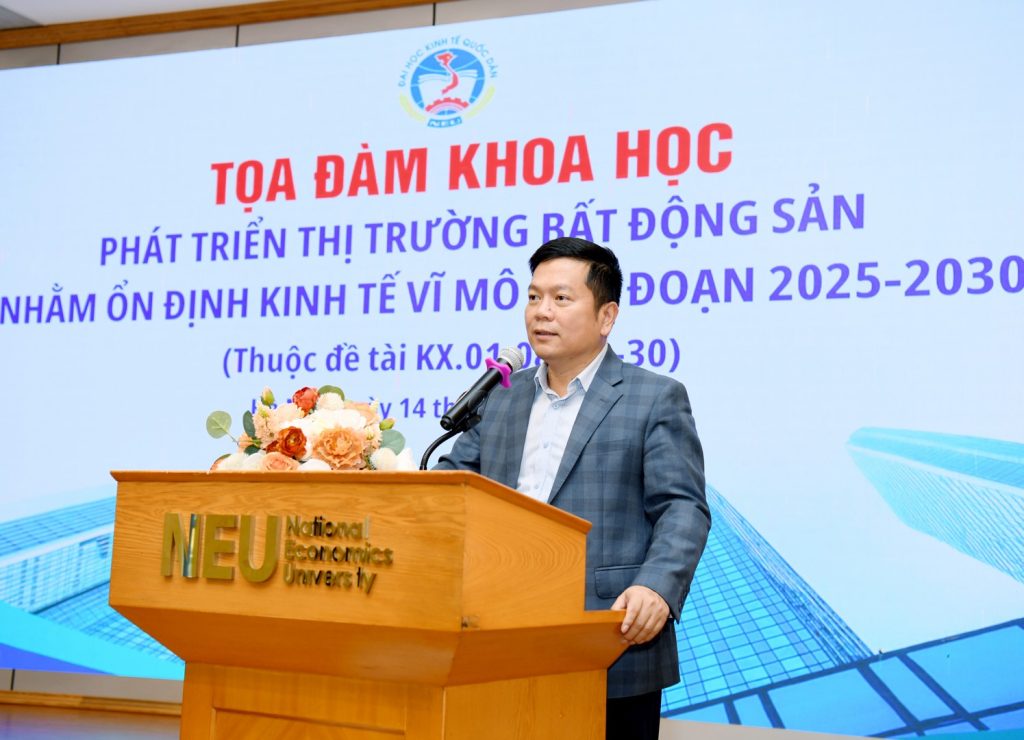
In his opening remarks, Prof. Dr. Nguyen Thanh Hieu, Vice President of NEU, emphasized the significance of researching and discussing solutions for developing the real estate market amid continuing fluctuations in the global economy and Vietnam’s urgent need to renew its growth model. According to Prof. Dr. Nguyen Thanh Hieu, the real estate market is an important driver of the economy, with spillover effects on more than 40 industries, and serves as a “barometer” of the macroeconomy. In recent years, however, the sector has also revealed numerous shortcomings, including speculation, asset bubbles, a lack of transparency, and complex legal risks.
Prof. Dr. Nguyen Thanh Hieu emphasized: “Developing a transparent, sustainable, and efficient real estate market is not only an urgent requirement but also an important condition for ensuring macroeconomic stability and enhancing the competitiveness of Vietnam’s economy in the coming period.”
The Vice President of NEU outlined five groups of issues requiring focused analysis and assessment. The first concerns the two-way relationship between the real estate market and the macroeconomy: a frozen market can reduce GDP growth and pose risks to the financial system, while overheating carries the risk of bubbles and rising inflation expectations. He also highlighted the challenges of cash flow and capital structure, as the real estate market remains heavily dependent on bank credit and corporate bonds while lacking sustainable medium- and long-term capital channels.
Prof. Dr. Nguyen Thanh Hieu also raised the issue of reforming real estate tax policy to curb speculation, improve land-use efficiency, and provide stable financial resources for the state budget. Another important issue is the need to shift the real estate development model toward green, sustainable, service-oriented, and technology-enabled development. Addressing major bottlenecks, such as supply-demand imbalances, legal obstacles, and limitations in policy implementation, was also identified as a core task.


At the seminar, delegates and experts agreed that developing the real estate market in the new period requires a comprehensive approach linked to macroeconomic stability and improvements in the quality of growth. Many participants emphasized the pivotal role of the two-way relationship between the real estate market and macroeconomic indicators, as every market fluctuation can directly affect GDP growth, financial security, and the health of the economy. Given that the market has experienced both “freezes” and “overheating,” safe thresholds and appropriate regulatory mechanisms must be identified.
Another important direction highlighted was the need to restructure capital flows into the real estate market, reduce dependence on bank credit and corporate bonds, and develop additional sustainable medium- and long-term capital channels. Experts also discussed the role of real estate tax policy as an instrument that needs reform to curb speculation, improve land-use efficiency, and ensure stable state budget revenue.
In addition, the transition toward a green, sustainable, service-oriented, and technology-enabled real estate development model was viewed as an inevitable trend. Addressing major bottlenecks, such as supply-demand imbalances, legal obstacles, and difficulties in policy implementation, remains a priority in establishing a transparent and efficient market capable of making a more substantive contribution to the economy in 2025-2030.
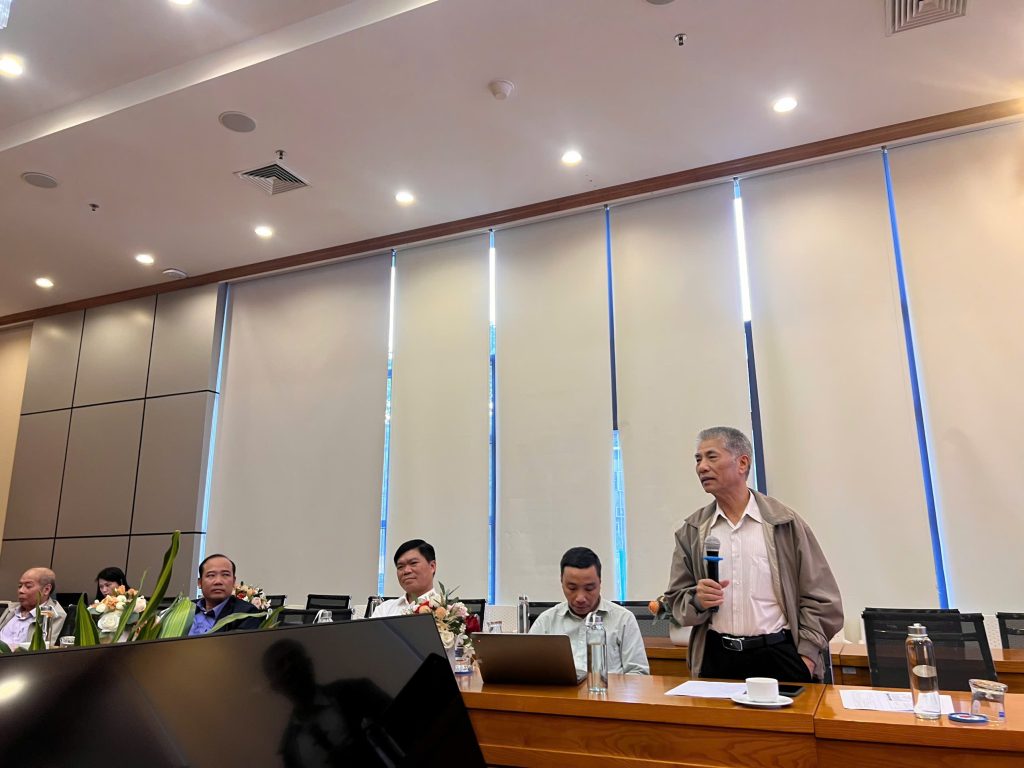
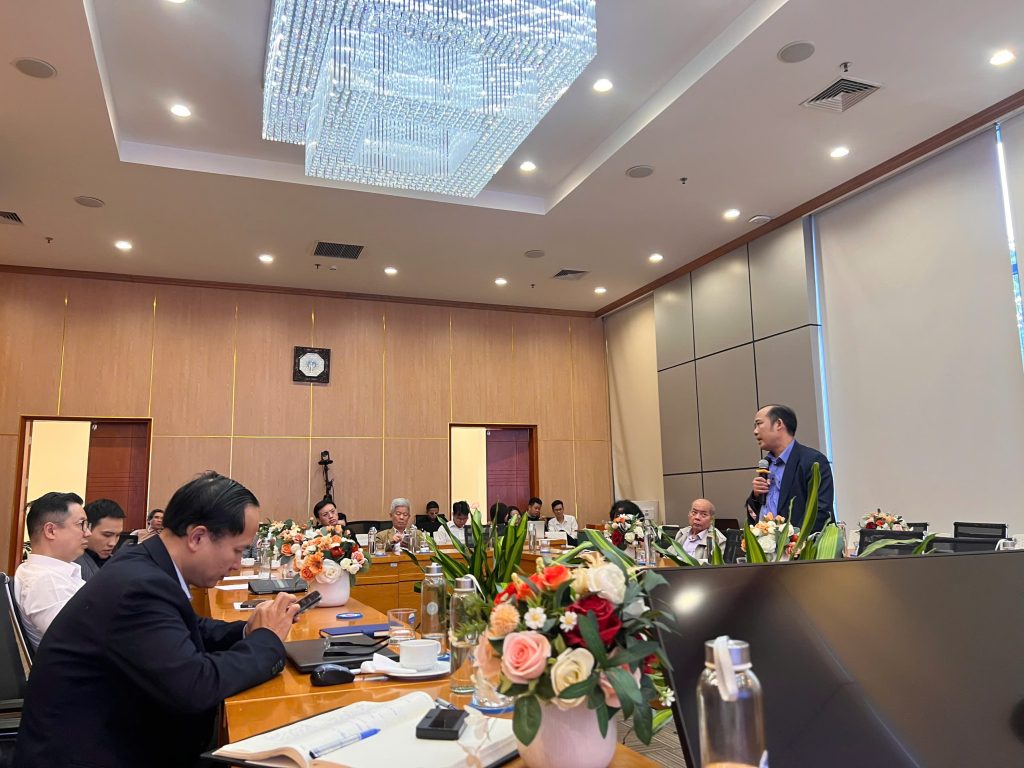
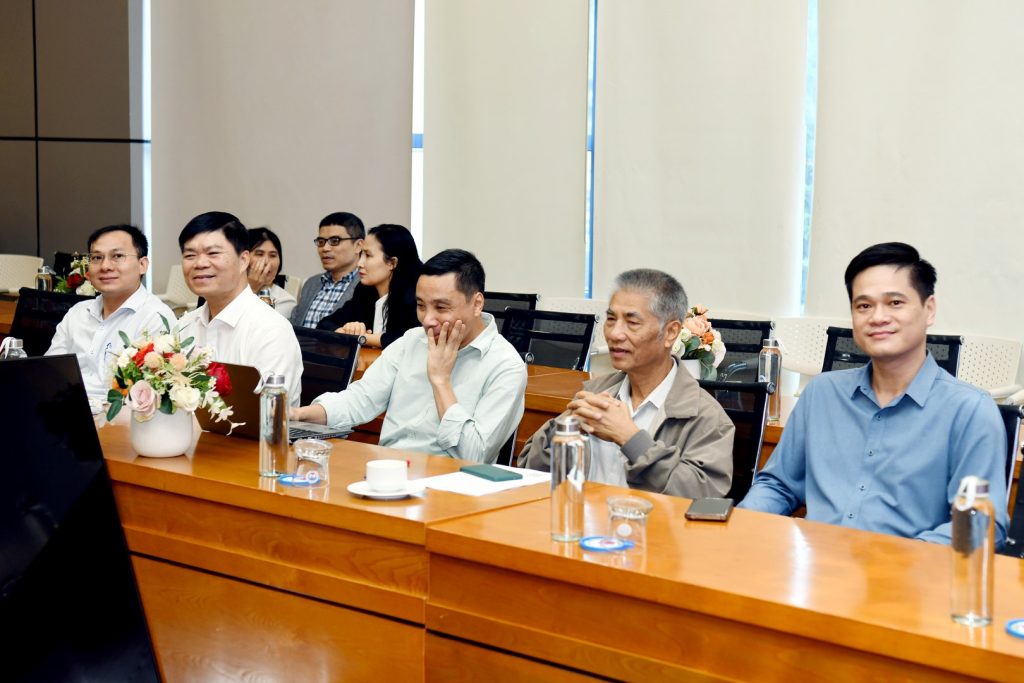
Delegates and experts exchange views and share insights at the seminar
The seminar concluded with the expectation that the analyses, recommendations, and practical evidence shared today would contribute to improving policy, supporting management efforts, and promoting the healthy and sustainable development of Vietnam’s real estate market in the years ahead. NEU continued to affirm its role as a trusted institution for research, consulting, and connecting science with practice in support of the country’s socioeconomic development goals.
Additional images from the seminar:



Article and photos: Department of Communications
This is an automated translation. If you notice any errors, please contact the Department of Communications, National Economics University at phongtruyenthong@neu.edu.vn.