National Scientific Conference on “The Impact of Global Supply Chain Shifts on Vietnam’s Economy”
25/12/2024 2024-12-25 9:25National Scientific Conference on “The Impact of Global Supply Chain Shifts on Vietnam’s Economy”
National Scientific Conference on “The Impact of Global Supply Chain Shifts on Vietnam’s Economy”
On the afternoon of December 25, 202, a national scientific conference on “The Impact of Global Supply Chain Shifts on Vietnam’s Economy” took place at National Economics University (NEU).
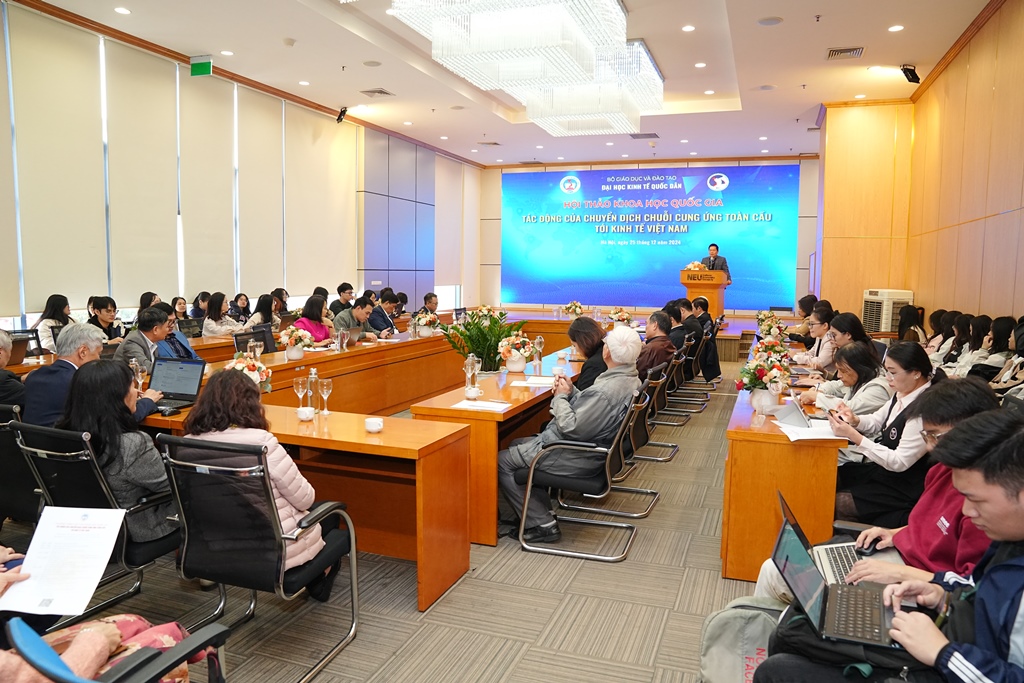
An overview of the conference
External delegates attending the conference included Dr. Nguyen Quoc Viet, Deputy Director of the Institute of Economic and Policy Research, University of Economics and Business, Vietnam National University, Hanoi; and Ngo Phuong Chi, Chairman of the Board of Directors of NSI Securities Joint Stock Company.
Representing NEU were Prof. Dr. Nguyen Thanh Hieu, Vice President of NEU; Assoc. Prof. Dr. Ta Van Loi, Rector of the College of Business; leadership representatives from colleges, departments, faculties, schools, institutes, centers, and socio-political organizations; and experts and scholars from within and outside the University.
Amid globalization and international integration, global supply chains have served and continue to serve as an important driver of economic growth, productivity improvements, and national competitiveness.
Recently, geopolitical developments, the Covid-19 pandemic, and changes in the strategies of multinational corporations have altered the structure and flows of global supply chains. Major economies such as the United States, the EU, China, and India are actively restructuring supply chains through shortening (reshoring), diversification, regionalization, and replication.
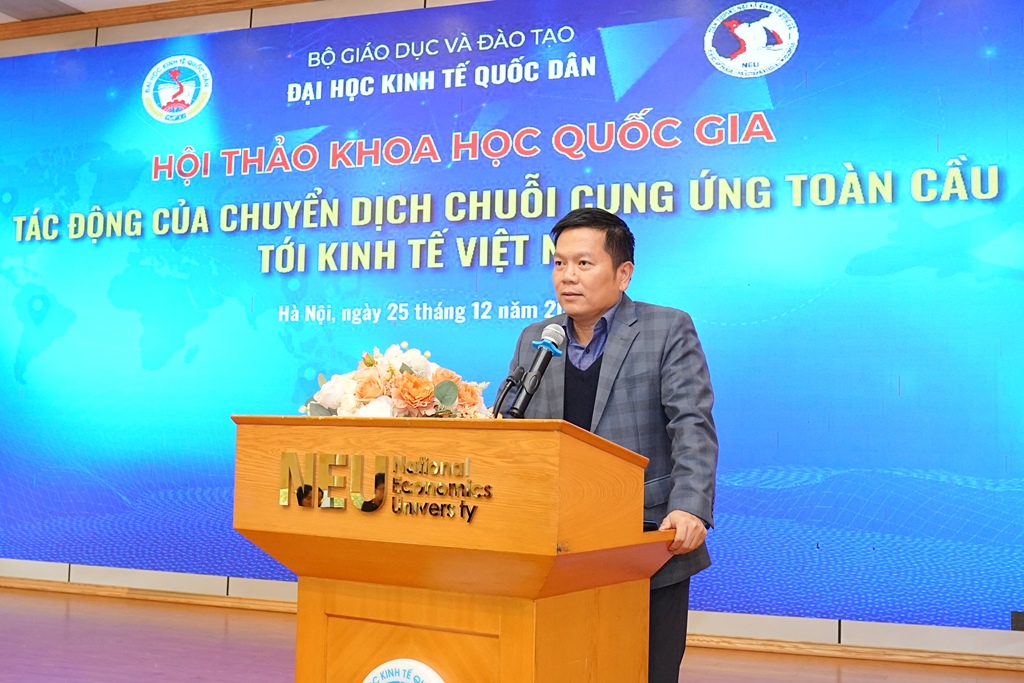
Prof. Dr. Nguyen Thanh Hieu, Vice President of NEU, delivers the opening remarks at the conference.
Speaking at the conference, Prof. Dr. Nguyen Thanh Hieu, Vice President of NEU, affirmed that Vietnam is emerging as a major manufacturing and assembly hub. This is attributable to its outstanding advantages in geographical location, competitive labor costs, and effective investment attraction policies.
Furthermore, recent geopolitical developments, the Covid-19 pandemic, and changes in the strategies of multinational corporations have altered the structure and flows of global supply chains.
These shifts present both major opportunities and challenges for national economies, particularly Vietnam—a developing economy with an increasingly important position in the region.
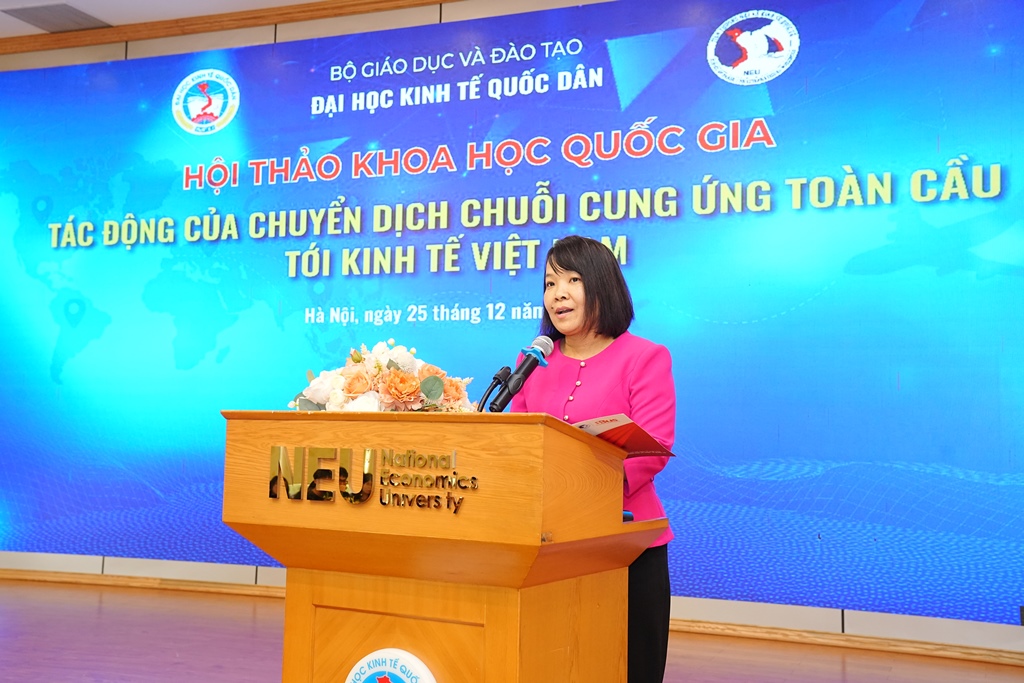
Dr. Dinh Le Hai Ha, Vice Dean of the School of Trade and International Economics, delivers the introductory remarks at the conference.
According to Dr. Dinh Le Hai Ha, Vice Dean of the School of Trade and International Economics, global value chain shifts not only reflect changes in international business strategies but also pose challenges for developing countries in maintaining their roles in global value chains. For Vietnam, a developing economy with an increasingly important position in the region, global supply chain shifts present both opportunities and challenges.
Participants at the conference noted that these shifts open up opportunities for Vietnam to establish a new role and position in the world economy, while also creating challenges in improving localization capabilities and meeting international standards for labor, the environment, and digital transformation in manufacturing. Increasingly stringent requirements from partners such as the United States and the EU regarding green standards and supply chain transparency require Vietnam to strengthen its technological and management capabilities.
In addition, competing with other Southeast Asian countries to attract foreign investment, particularly in high-tech industries and the production of critical components, is another difficult challenge that needs to be addressed.
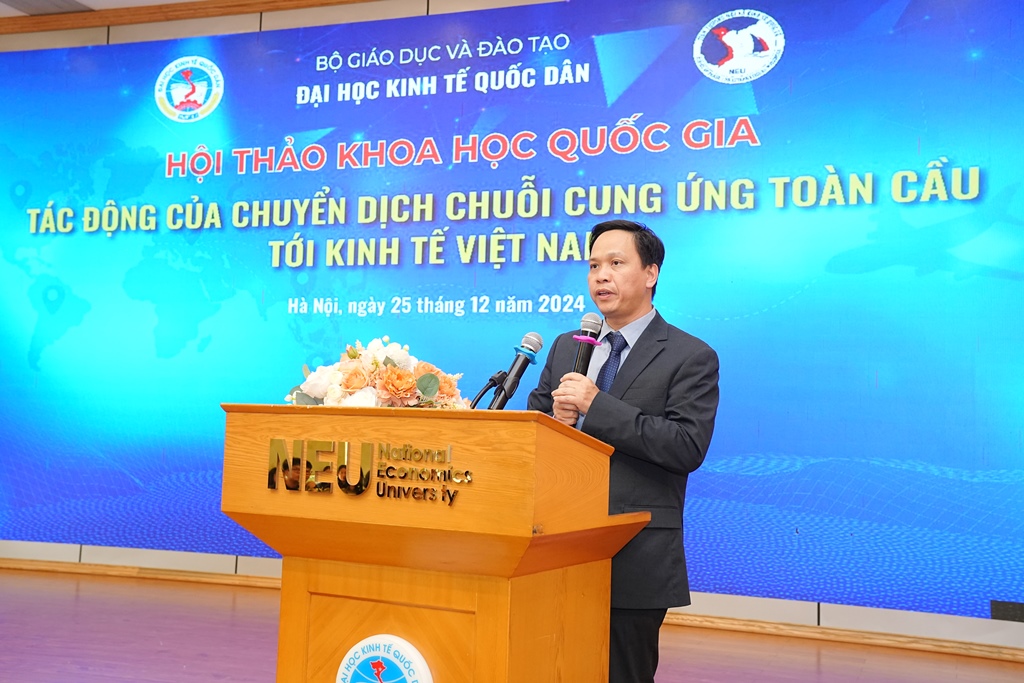
Dr. Nguyen Quoc Viet, Deputy Director of the Institute of Economic and Policy Research, University of Economics and Business, Vietnam National University, Hanoi, presents his paper, “Global Value Chains and Vietnamese Enterprises’ Capacity to Participate.”
Dr. Nguyen Quoc Viet, Deputy Director of the Institute of Economic and Policy Research, University of Economics and Business, Vietnam National University, Hanoi, noted that in recent years, the foreign direct investment (FDI) sector has consistently driven Vietnam’s exports, providing leverage for deeper participation in global value chains. However, FDI spillover effects in technology transfer and support for Vietnamese enterprises’ participation in global value chains remain limited. Domestic enterprises have yet to become deeply involved in high-value-added chains. Meanwhile, backward linkages between domestic enterprises and FDI enterprises are strong but remain concentrated in low- and medium-technology industries and service industries.
A report on the FDI performance index of ASEAN countries shows that Vietnam ranks low in technology and innovation, placing 90th out of 100. It ranks 92nd out of 100 in Technology Platform, 77th out of 100 in innovation capability, and 73rd out of 100 in FDI and technology transfer. Investment in R&D accounts for only 0.2% of GDP, ranking 84th out of 100.
To fully capitalize on the opportunities arising from global supply chain shifts, Dr. Nguyen Quoc Viet proposed developing coordinated and comprehensive policies to help domestic enterprises connect with FDI enterprises. These should include mechanisms and policies providing support for interest rates, financing, and access to investment resources to upgrade domestic enterprises so that they can participate in global supply chains. Vietnamese enterprises seeking to join supply chain linkages with FDI enterprises must improve their competitiveness through technological innovation, higher-quality human resources, and more effective governance and management…
Regarding the government’s role, Dr. Nguyen Quoc Viet suggested reviewing the attraction and use of FDI capital based on master plans for industries, regions, and localities, to make appropriate adjustments and restructuring. At the same time, the FDI attraction strategy should prioritize strategic investors and the establishment of global production chains, giving priority to high-tech enterprises and technology transfer to Vietnamese enterprises.
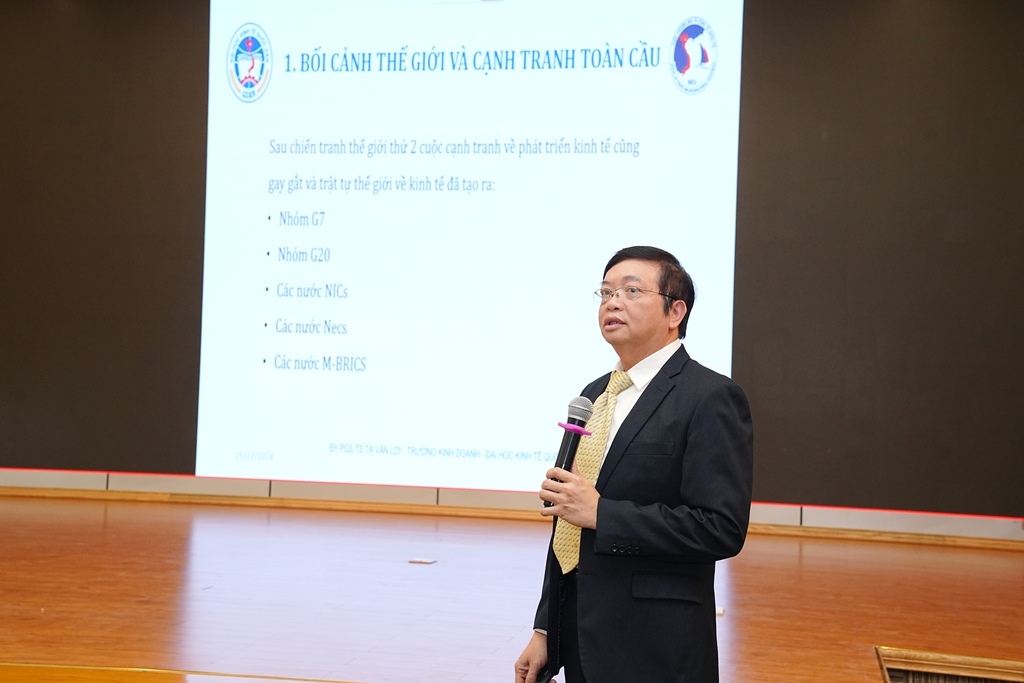
Assoc. Prof. Dr. Ta Van Loi, Rector of the College of Business, NEU, presents his paper, “Enhancing Vietnam’s Position amid Global Supply Chain Shifts in the New Era.”
According to Assoc. Prof. Dr. Ta Van Loi, Rector of the College of Business, NEU, new technologies need to be developed to create more new materials, products, and energy sources, particularly renewable energy and lightweight materials for key industries such as automobiles, computers, and electronics. At the same time, planning for “rare earth areas” and rare earth types should be revised, with development plans drawn up for each type of rare earth. Venture capital funds should be established, or joint funding arranged for training, to improve workforce quality and enable faster access to global technologies. Once enterprises have sufficient capital, technological, and management capabilities, they can gradually move up supply chains and even become core enterprises that lead those chains, thereby changing Vietnam’s position in global supply chains.
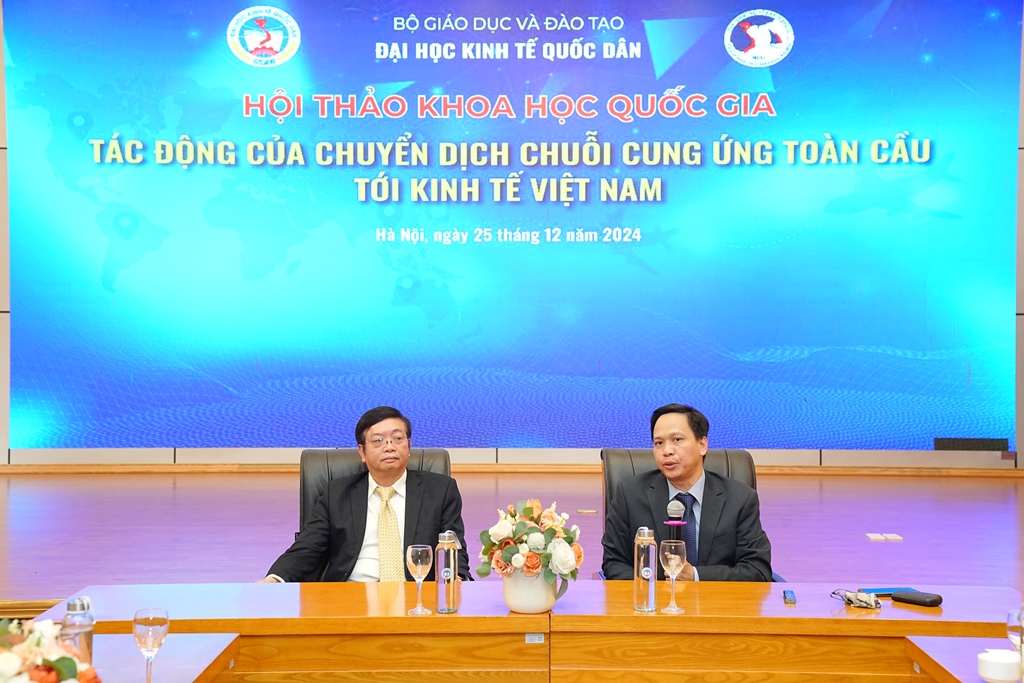
Assoc. Prof. Dr. Ta Van Loi, Rector of the College of Business, NEU, and Dr. Nguyen Quoc Viet, Deputy Director of the Institute of Economic and Policy Research, University of Economics and Business, Vietnam National University, Hanoi, moderate the discussion session at the conference.
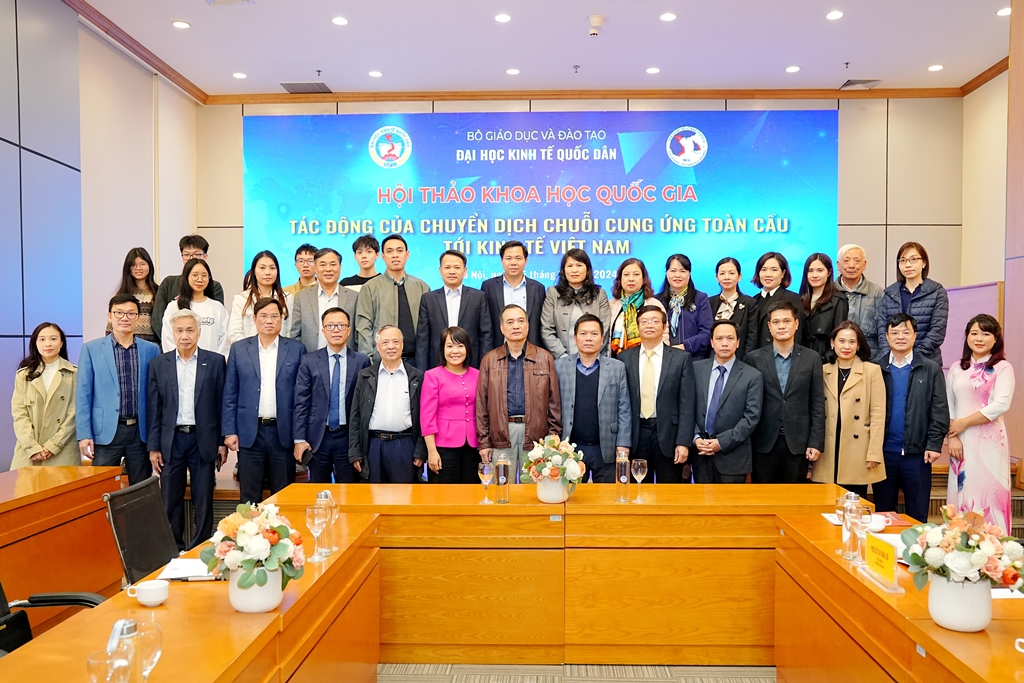
Conference delegates pose for a commemorative group photo
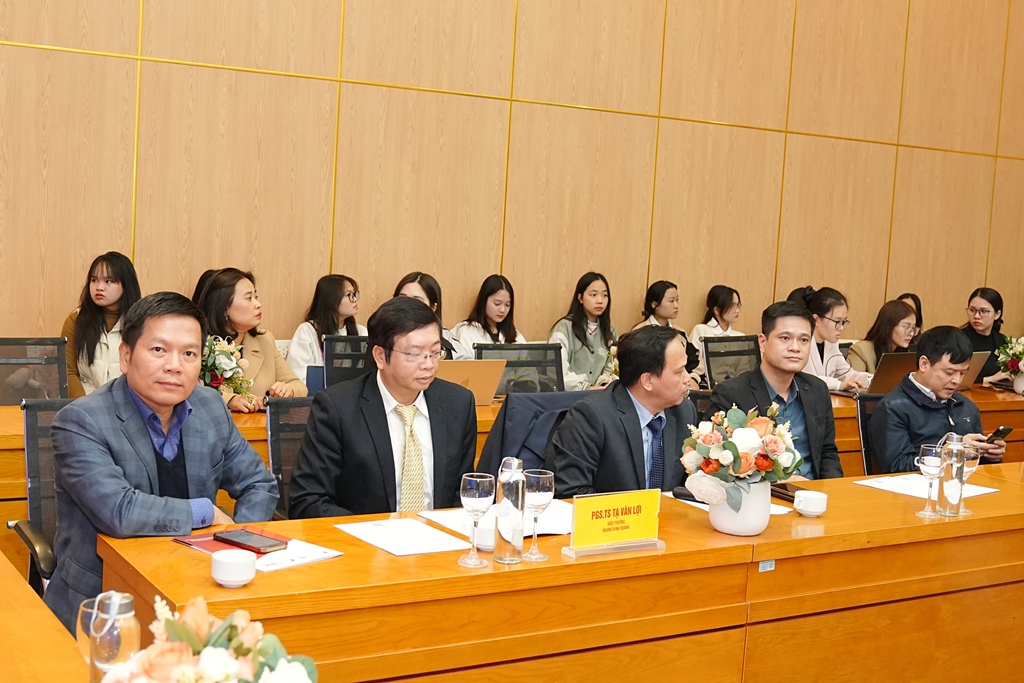
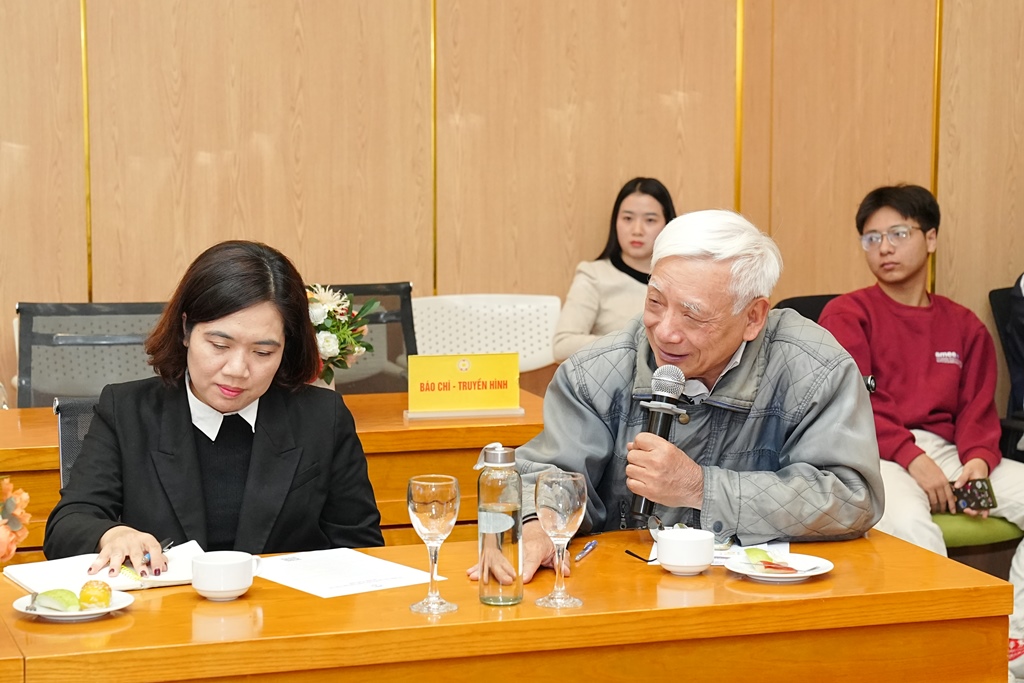
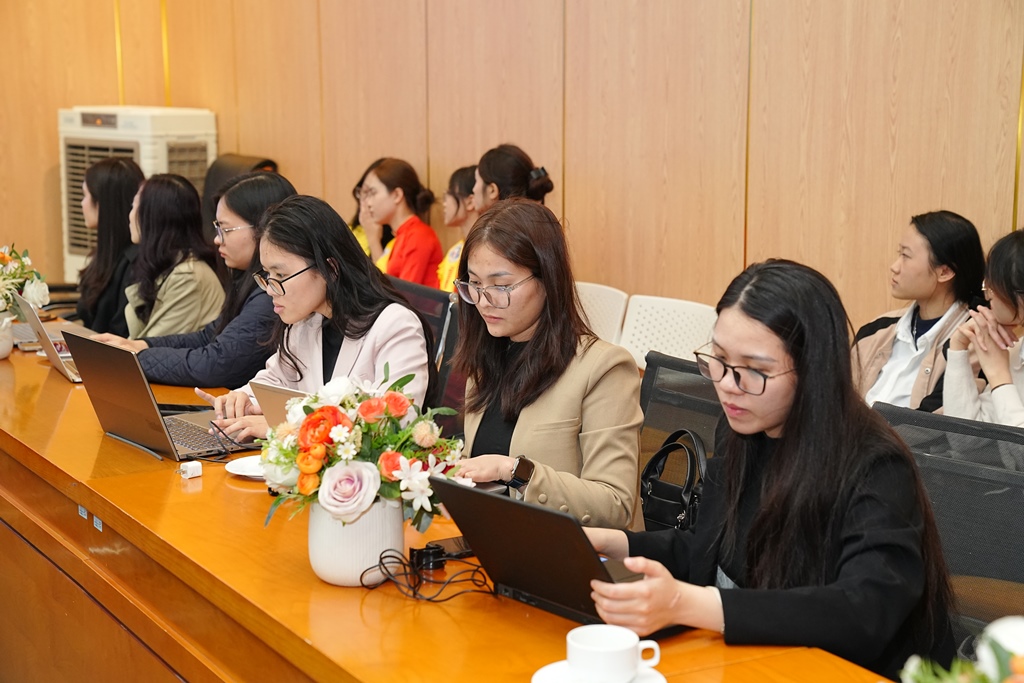
Additional photos from the conference:

Article and photos: Department of Communications
News agencies and media outlets reporting on the conferences:
VTC10 Television: The impact of global supply chain shifts on Vietnam’s economy
People’s Deputies: Upgrading enterprises to participate in global supply chains
Customs: Positioning Vietnam amid shifts in global supply chain “flows”
Industry and Trade: A close examination of Vietnamese enterprises’ capacity to participate in global supply chains
This is an automated translation. If you notice any errors, please contact the Department of Communications, National Economics University at phongtruyenthong@neu.edu.vn.