
Sustainability Transitions through Vietnamese and Australian Perspectives: An Academic Dialogue between NEU and Adelaide University
15/09/2026 2026-09-15 18:03Sustainability Transitions through Vietnamese and Australian Perspectives: An Academic Dialogue between NEU and Adelaide University
Sustainability Transitions through Vietnamese and Australian Perspectives: An Academic Dialogue between NEU and Adelaide University
As part of its visit to Australia in early September 2026, National Economics University (NEU) joined Adelaide University (AU) in organising the workshop “Sustainability Transitions: Global Trends and Future Challenges”. Bringing together perspectives from Vietnam and Australia, the workshop provided a forum for scholars from the two universities to examine key challenges in sustainability transitions, ranging from energy transition and the circular economy to the gap between policy ambition and implementation. The different development contexts of the two countries offered complementary perspectives and opened up a range of questions for future collaborative research.
The NEU delegation was led by Professor Nguyen Huu Anh, Vice President of National Economics University, and included Professor Le Quoc Hoi, Vice Rector of the College of Economics and Public Management; Professor Dinh Duc Truong, Dean, and Dr Nguyen Hoang Nam, Lecturer, Faculty of Environment, Climate Change and Urban Studies, College of Economics and Public Management; Dr Trinh Mai Van, Deputy Head of the Department of Research Management; and Dr Pham Sy Long, Deputy Head of the Department of International Cooperation. Adelaide University was represented by academics from a range of disciplines, including environment, energy, engineering, economics, business and the social sciences.
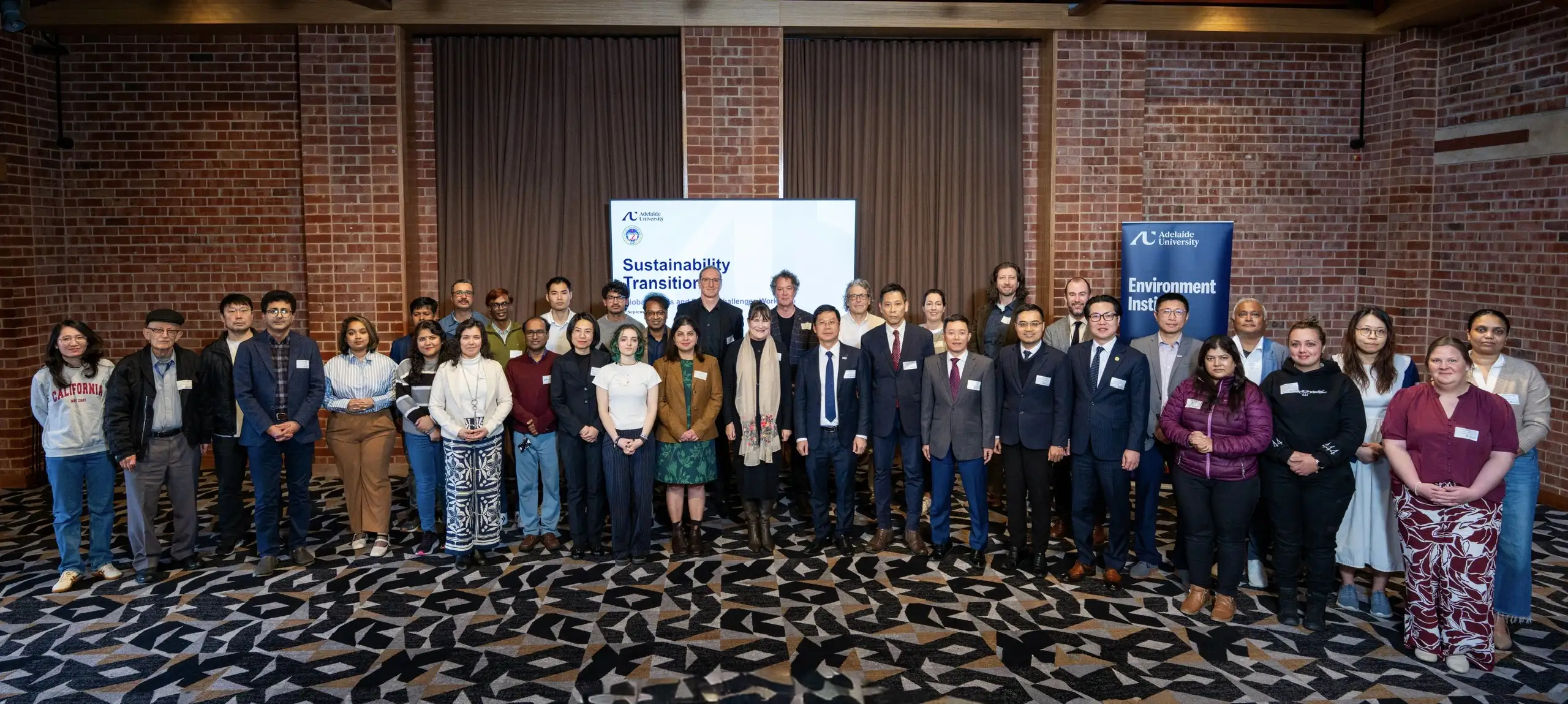
Delegates and academics from National Economics University and Adelaide University at the workshop “Sustainability Transitions: Global Trends and Future Challenges.”
Sustainability transitions require an interdisciplinary approach
Opening the workshop, Professor Melissa Nursey-Bray, School of Society and Culture, College of Education, Behavioral and Social Sciences, Adelaide University, welcomed delegates and academics to the event.
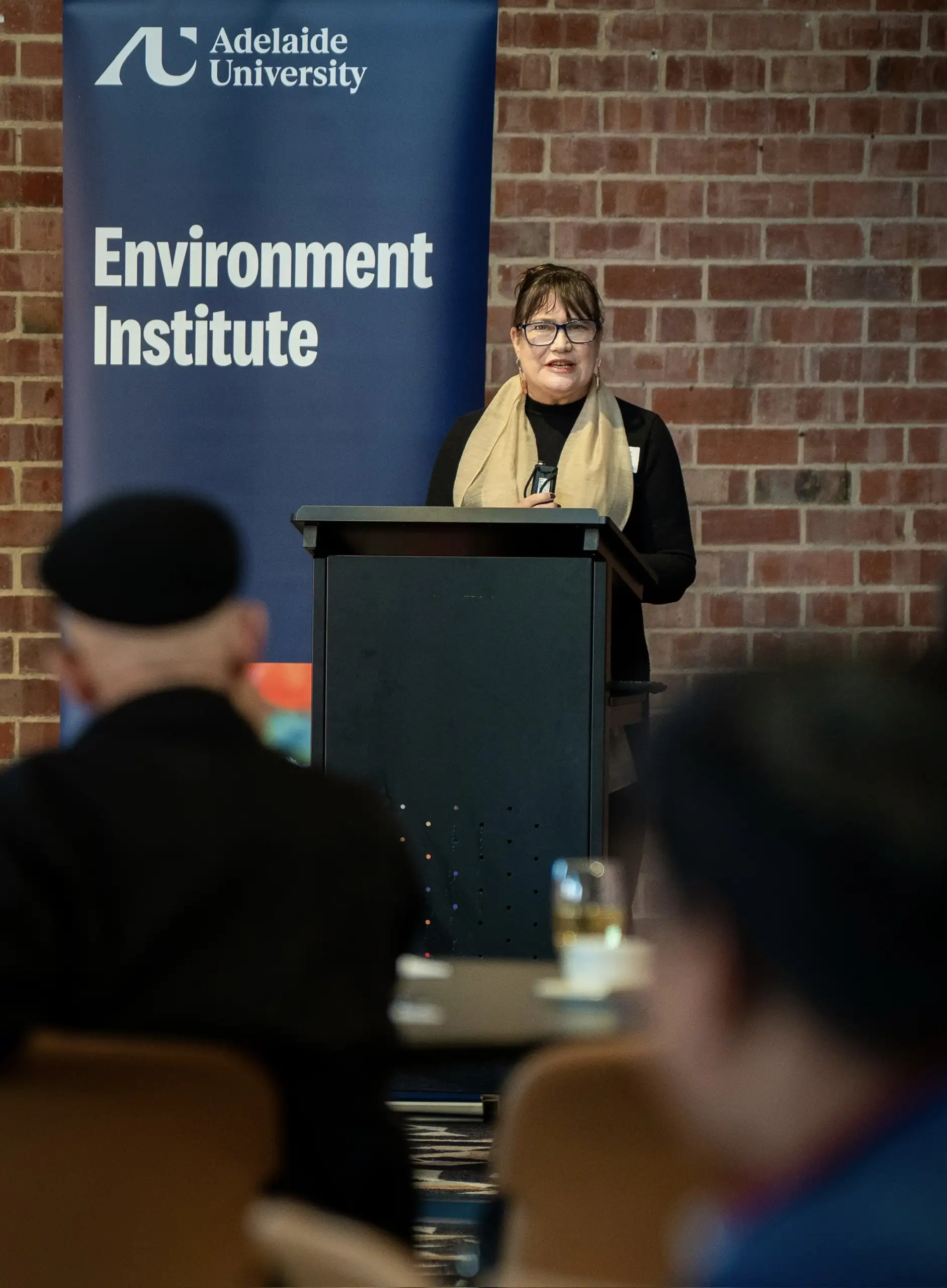
Professor Melissa Nursey-Bray of Adelaide University delivers her opening remarks at the workshop.
This was followed by remarks from Professor Nguyen Huu Anh, Vice President of National Economics University, who shared NEU’s perspective on the challenges of sustainability transitions and the role universities can play in addressing them.
Professor Nguyen Huu Anh noted that climate change, growing pressures on natural resources, rapid urbanisation and technological change are profoundly reshaping the ways in which economies and societies develop. For Vietnam—a dynamic emerging economy that is also highly exposed to the impacts of climate change—the challenge is to maintain economic momentum while accelerating the transition towards a greener, low-carbon and more resilient development model.
He emphasised that sustainability transitions are not simply a matter of adopting new technologies. They also require changes in economic institutions, public policy, business models, investment decisions, human behaviour and governance systems. Universities therefore have an important role to play through research, education, innovation, policy engagement and human capital development. Drawing on the complementary strengths of the two universities, Professor Nguyen Huu Anh highlighted potential areas of research including climate change, green growth, energy transition, sustainable cities and the circular economy, while also underscoring the importance of education, academic exchange and stronger connections between research, policy, business and communities.
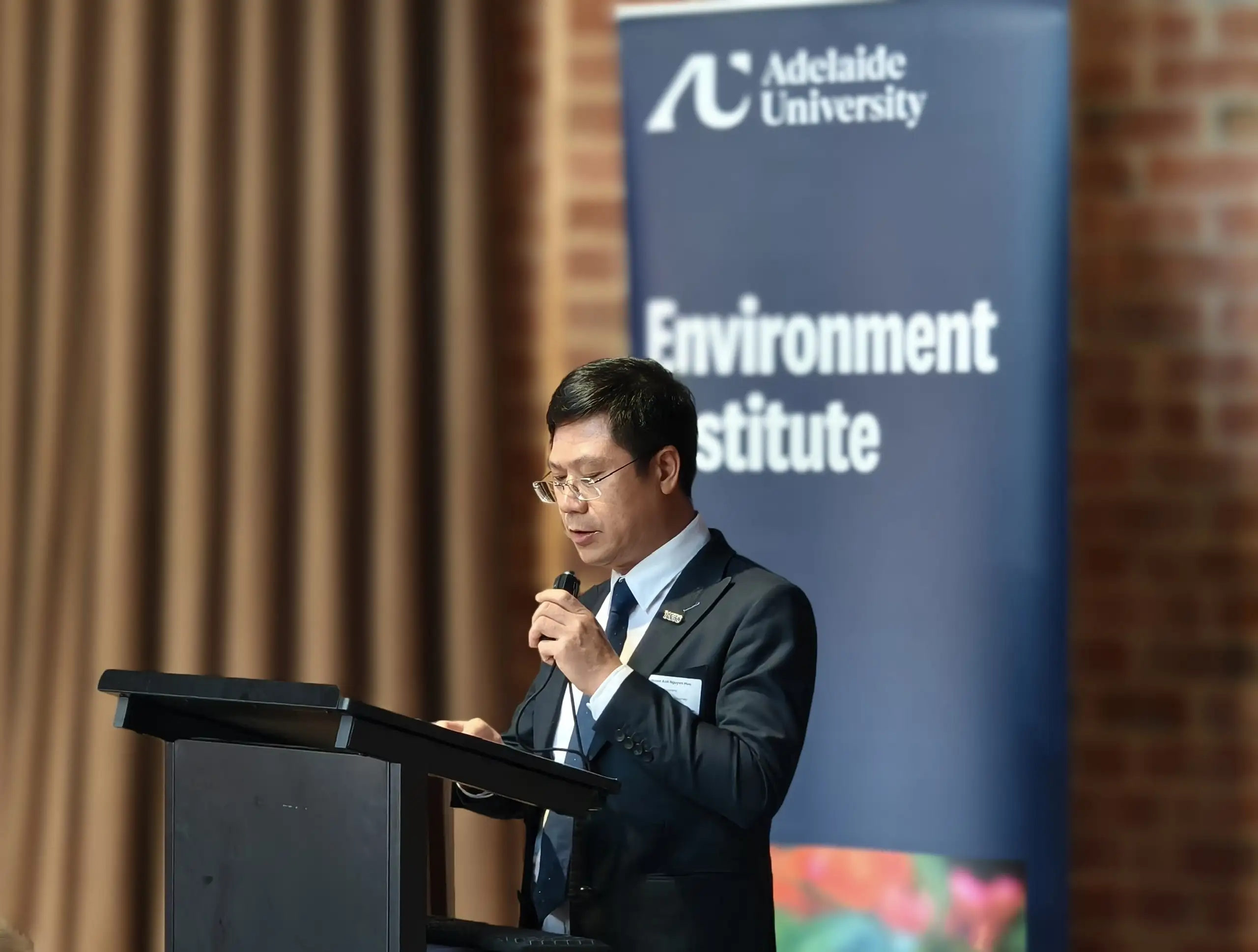
Professor Nguyen Huu Anh, Vice President of National Economics University, addresses the workshop.
From the global energy challenge to the Vietnamese context
Opening the academic presentations, Associate Professor James Hopeward, College of Engineering and Information Technology, Adelaide University, examined sustainability transitions from a global perspective, with a particular focus on the challenges associated with energy transition.
Associate Professor Hopeward explained that reducing dependence on fossil fuels and shifting towards renewable energy is not simply a matter of replacing one source of energy with another. The transition requires renewable energy deployment and the electrification of energy demand to progress in tandem, while also accounting for the resources, materials, land and infrastructure required by new energy systems.
His presentation raised a broader question about the relationship between energy demand, resource constraints and models of economic growth. From this perspective, sustainability transitions are not only about producing more clean energy, but also about how economies and societies can use energy and resources more efficiently within ecological limits.
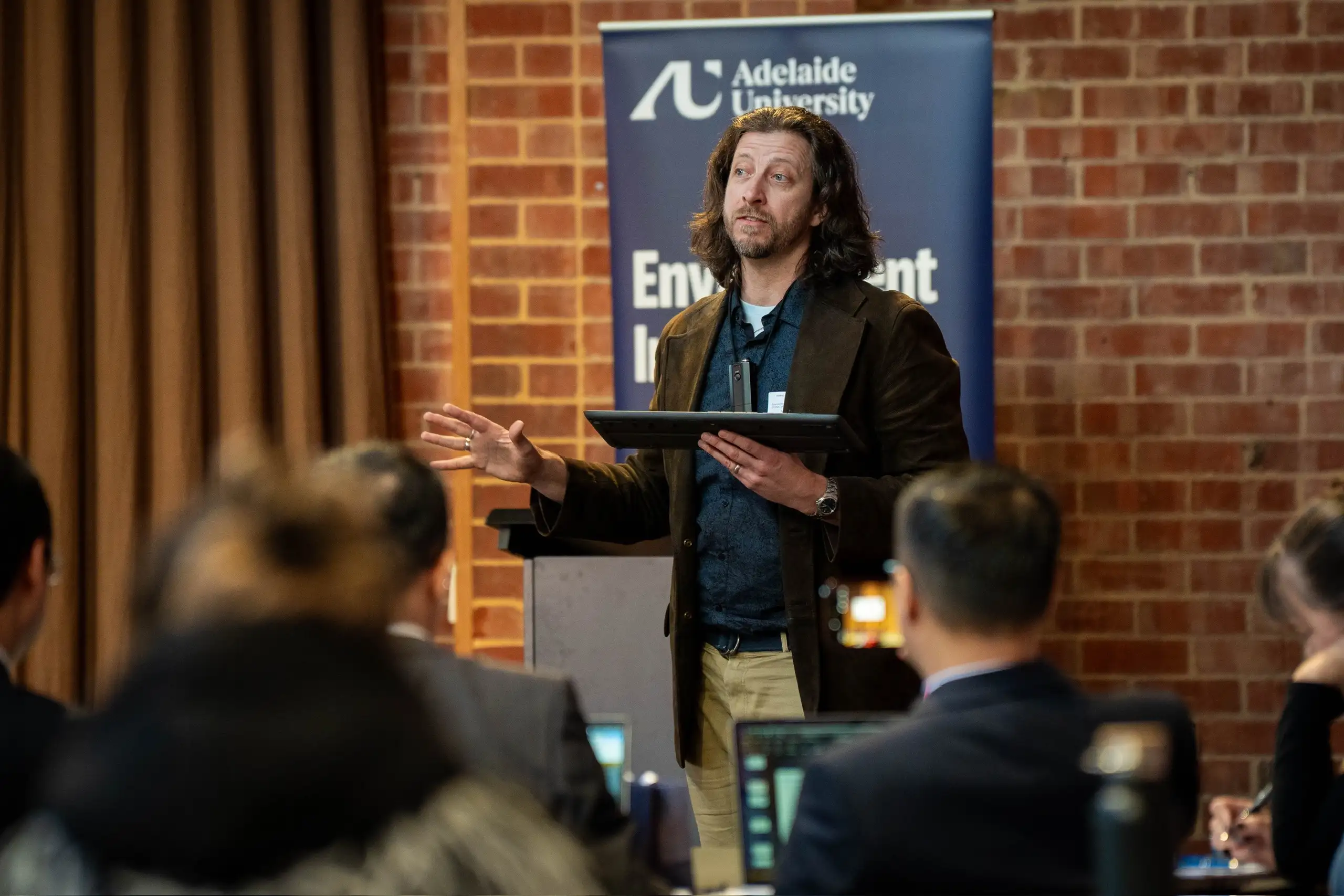
Associate Professor James Hopeward of Adelaide University shares perspectives on energy transition and the challenges facing sustainability transitions.
Bringing the discussion to the context of emerging economies, Dr Nguyen Hoang Nam, Lecturer, Faculty of Environment, Climate Change and Urban Studies, College of Economics and Public Management, National Economics University, presented “Sustainability Transitions in Emerging Economies: Evidence from Vietnam”.
Drawing on Vietnam’s experience, the presentation examined the challenge of sustaining economic growth while responding to mounting pressures related to natural resources, the environment, waste and demographic change. Against this backdrop, the green economy, circular economy and digital transformation were discussed as important pathways towards sustainable development. Using examples from energy transition, transport electrification, the circular economy, green finance and carbon markets, Dr Nguyen Hoang Nam highlighted the gap between policy ambition and implementation capacity as a key challenge. Implementation capacity, human resources, access to finance, and the engagement of businesses and local authorities are therefore critical to translating sustainability goals into tangible change.
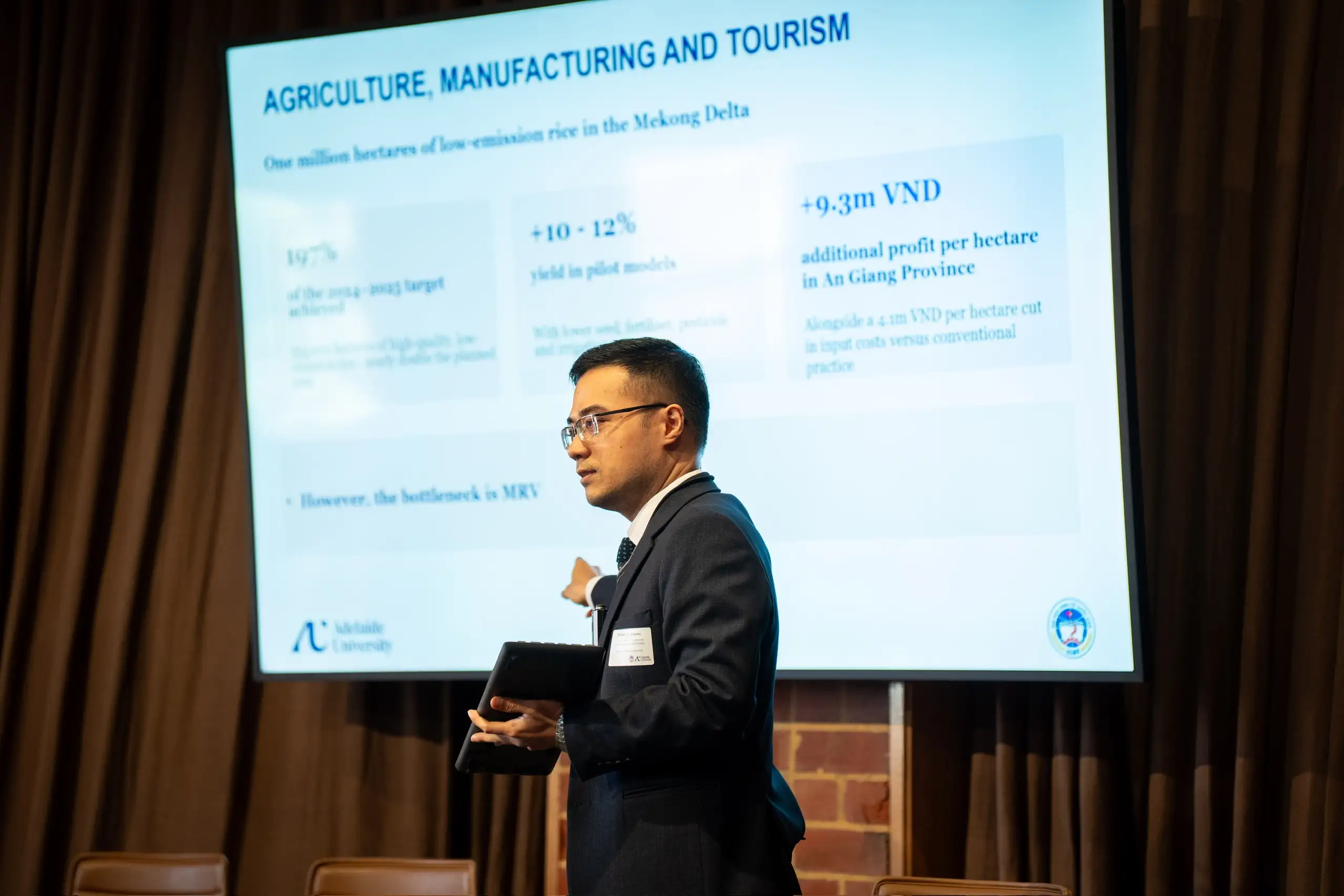
Dr Nguyen Hoang Nam of National Economics University presents Vietnam’s experience of sustainability transitions in an emerging economy.
From pilot initiatives to system-wide change
The two presentations provided the foundation for a panel discussion entitled “Why Sustainability Transitions Do Not Scale: Lessons from Developed and Emerging Economies,” chaired by Professor Andy Lowe, Director of the Environment Institute, College of Science, Adelaide University.
The panel brought together Professor Greg Metha, School of Physics, Chemistry and Earth Sciences, College of Science; and Associate Professor Sukhbir Sandhu, Director of CweX, School of Management, College of Business and Law, Adelaide University; alongside Professor Dinh Duc Truong, Dean, and Dr Nguyen Hoang Nam, Lecturer, Faculty of Environment, Climate Change and Urban Studies, College of Economics and Public Management, National Economics University.
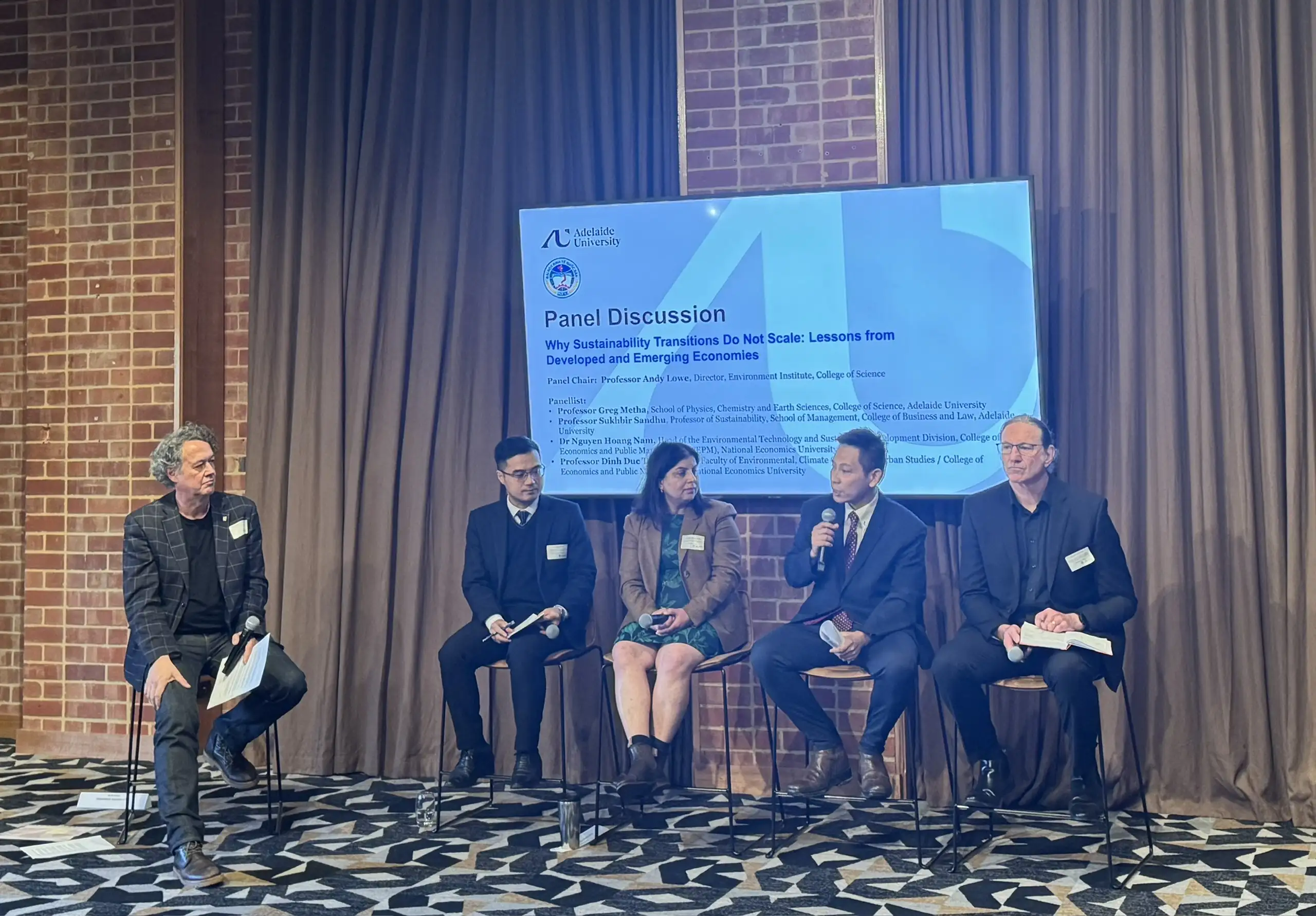
Scholars from National Economics University and Adelaide University discuss the barriers to scaling sustainability transition initiatives.
A central question guided the discussion: why do many sustainability policies, technologies and models that have demonstrated effectiveness at a particular scale remain difficult to expand into system-wide change?
The discussion suggested that the answer lies not only in technology or policy, but also in institutions, finance, organisational capacity, stakeholder behavior and local conditions. Vietnam’s experience illustrates how differences in resources and implementation capacity across localities and different groups of businesses can affect the ability to scale successful initiatives. Moving beyond pilot projects therefore requires stronger implementation capacity, appropriate financing mechanisms and meaningful engagement from relevant stakeholders.
The panel also raised an important question for universities: how can knowledge and research outcomes extend beyond academic publications to make a more tangible contribution to policymaking, innovation, business and communities?
Different contexts, shared questions
From global perspectives on energy transition to the challenges of implementation in Vietnam, discussions throughout the workshop demonstrated that sustainability transitions are closely shaped by each country’s development context. Differences between Vietnam and Australia in levels of development, economic structures and institutional settings provide an opportunity to examine the same transition processes from different perspectives.
The discussion identified a number of promising areas for comparative Vietnam–Australia research, including energy transition, green finance, carbon markets, the circular economy, sustainable urban development and environmental policy. During the panel, Professor Dinh Duc Truong also highlighted opportunities for researchers from the two universities to jointly examine institutional arrangements, policy frameworks and incentive mechanisms, generating both academic value and evidence that can contribute to policy development and implementation.
Beyond research, the workshop also opened up possibilities for education and academic exchange in areas related to the environment, climate change and sustainable development. In discussions on longer-term directions, the proposed Green Transition Alliance was also raised as an idea that the two universities will continue to explore and discuss.
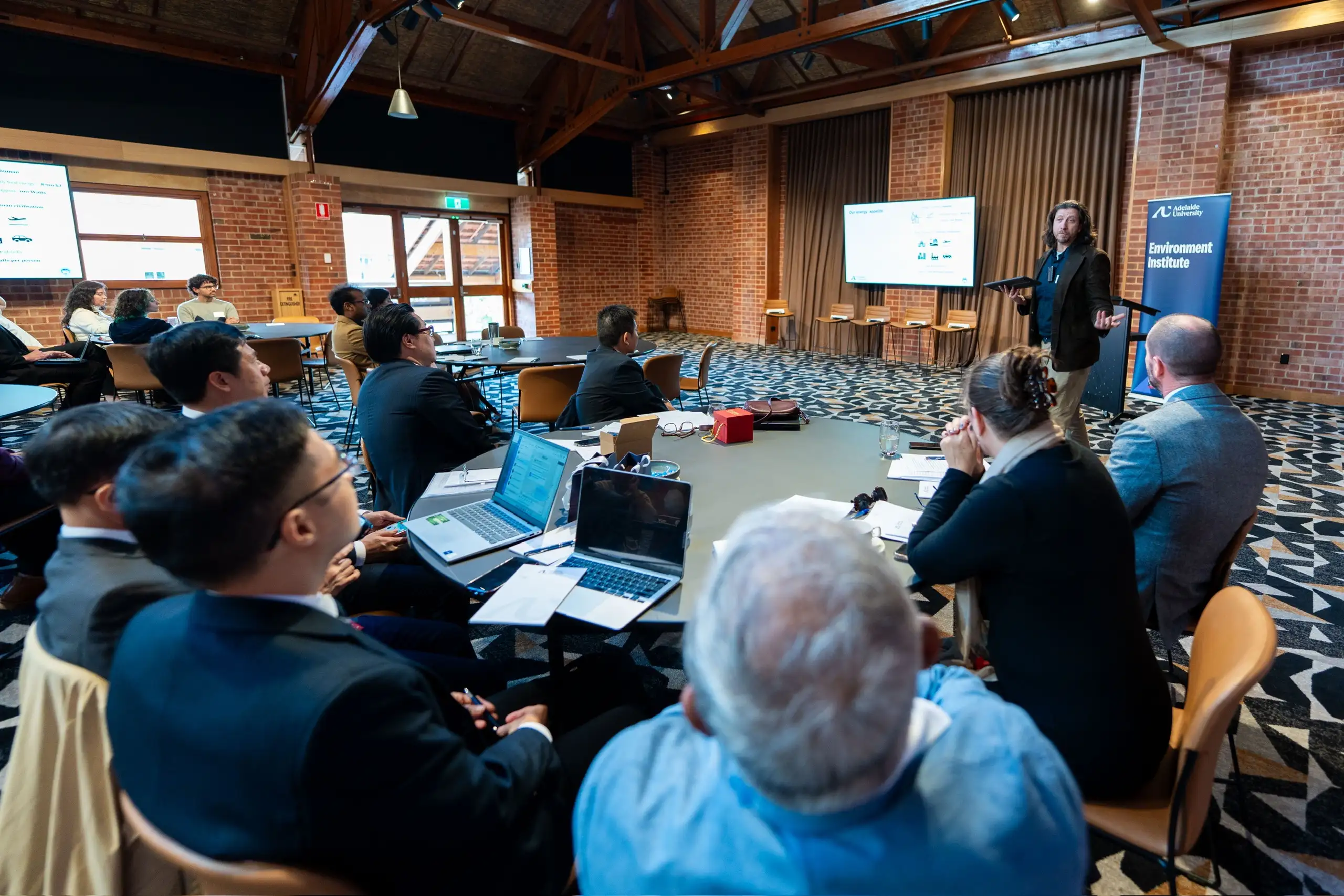
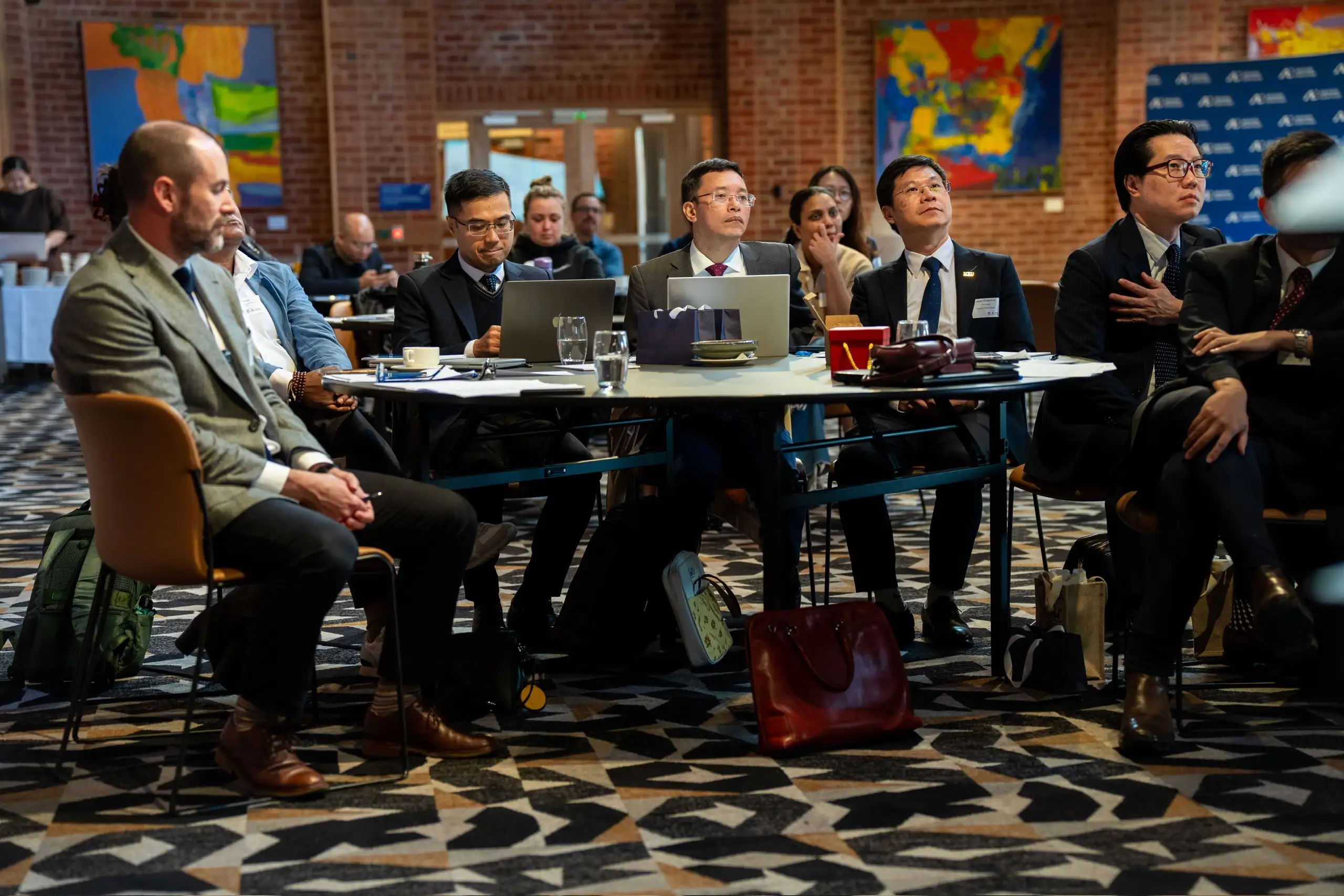
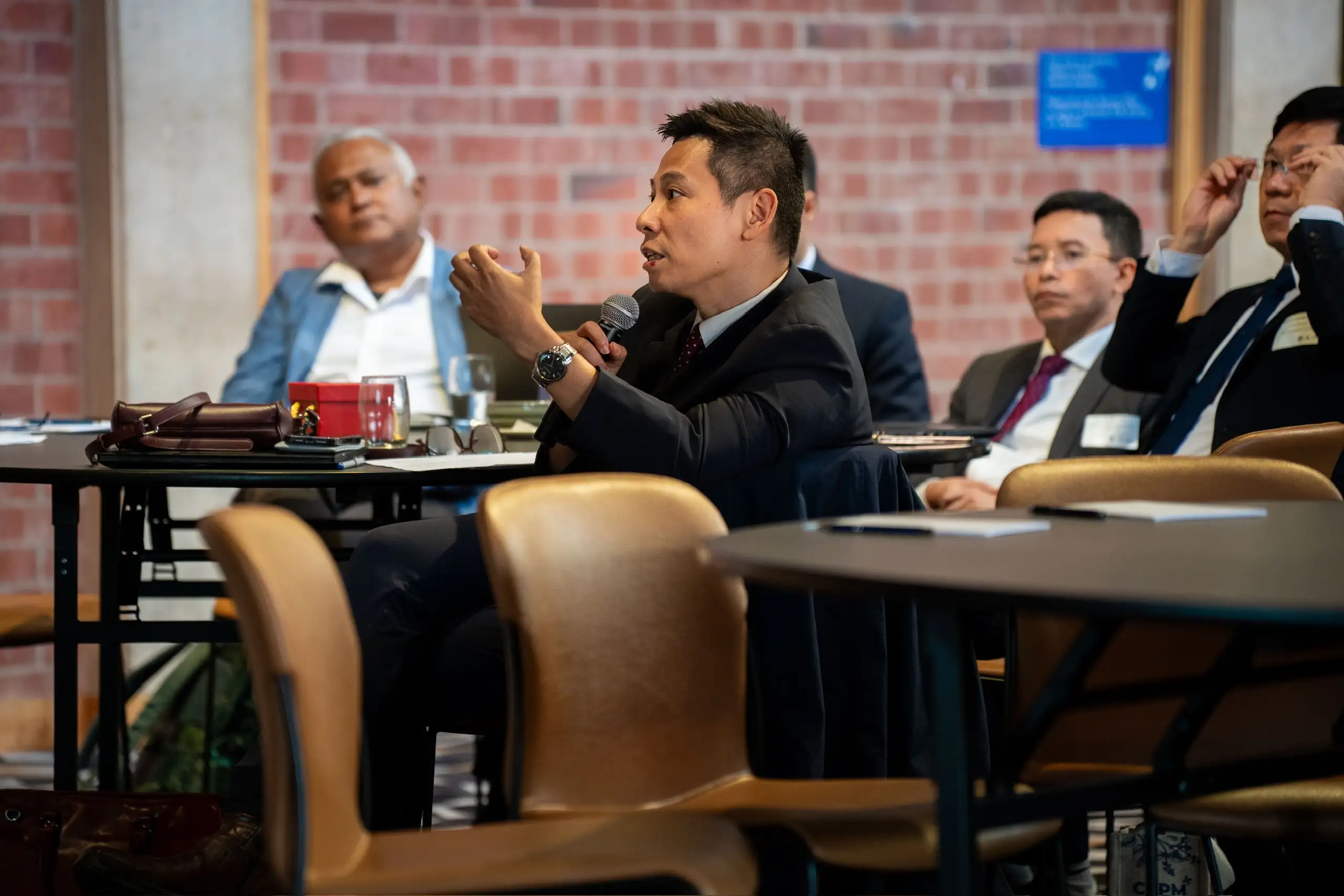
Delegates and academics from National Economics University and Adelaide University participate in discussions at the workshop “Sustainability Transitions: Global Trends and Future Challenges”.
The different development contexts of Vietnam and Australia brought several shared questions into focus: how to narrow the gap between policy and implementation, how to move successful initiatives from pilot scale to system-wide change, and how to translate academic knowledge into real-world impact. These questions also point to future directions for research and academic exchange between academics at National Economics University and Adelaide University as they seek context-appropriate responses to the challenges of green transition and sustainable development.
Written by: Department of International Cooperation, Department of Research Management, and Department of Communications, National Economics University